
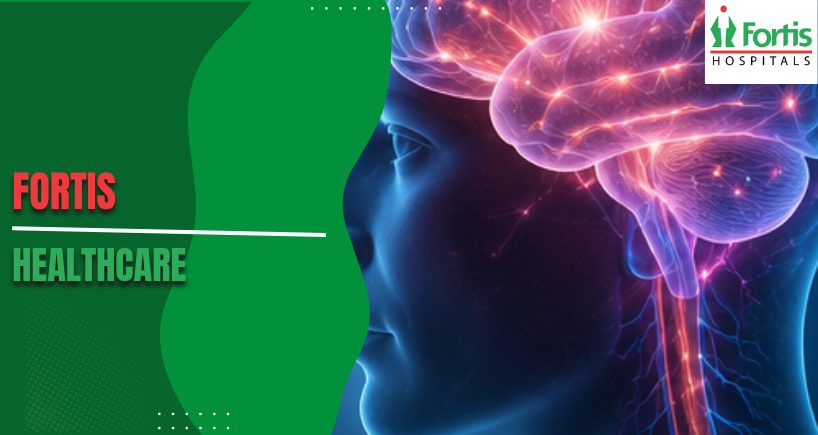


How TMS Helps Stroke Patients Regain Motor Function
When someone survives a stroke, the world often doesn’t return to normal overnight. Simple things like buttoning a shirt, holding a cup, lifting a hand or even taking a step can feel strangely distant. Muscles may be intact, yet the brain struggles to send the correct command. For many families, this recovery phase becomes a long road filled with physiotherapy, frustration, small victories, and hope that mobility will eventually come back. In recent years, transcranial magnetic stimulation (widely known as TMS) has quietly become an important tool in stroke rehabilitation. Not a miracle, not magic, but a science-based method that nudges damaged brain circuits back into activity.
TMS sounds complex at first. A coil placed over the scalp delivers magnetic pulses to stimulate specific brain regions. No surgery, no implants. The idea is simple enough, but the impact can be meaningful when used with therapy and repetition. Patients who once struggled to move a finger sometimes see gradual improvement after repeated sessions. Not instantly, but step by step, like a light flickering back to full strength.
You may have also heard of TMS for depression, which is true — the same technology has mental health benefits. But here, the focus is stroke recovery, specifically motor function. We’ll go through what TMS does, how it fits into rehabilitation, what results look like in real life, and where expectations should remain realistic but optimistic.
Understanding TMS in Plain Language
A stroke damages brain cells that manage movement. The pathway between thought and action weakens. Traditional rehab trains the body to compensate — moving slowly, learning alternate patterns. TMS tries something slightly different. Instead of only training muscles, it stimulates brain networks directly. Imagine tapping a sleeping circuit to remind it that it used to control the hand. Not forcefully, but gently, repeating until response strengthens.
TMS delivers magnetic pulses through the skull without surgery. These pulses create small electrical currents underneath, activating neurons. Placement matters because the motor cortex — the area that controls movement — must be targeted accurately.
Many doctors explain it like this:
- Physiotherapy trains the body
- TMS wakes the brain that controls the body
- Both together improve recovery chances
This doesn’t mean TMS replaces exercise. It enhances what exercise tries to achieve.
Why Stroke Responds to TMS
Stroke recovery is slower because the brain rewires reluctantly. Damaged areas lose connection, healthy areas try to compensate. With time and stimulation, the brain forms new pathways — a concept known as neuroplasticity. TMS taps into this ability.
Research shows that stimulating the affected hemisphere or suppressing the overactive opposite hemisphere can balance motor signals. The result can be improved muscle activation, better grip, smoother arm lift, or more coordinated walking — depending on where damage occurred.
Improvements vary. One patient may regain hand strength, another may improve gait. No two strokes are the same, and outcomes depend on damage level, timing, therapy intensity, and biological response. This is why clinicians avoid promising dramatic overnight results. But meaningful progress is common when therapy continues steadily.
What TMS Treatment Actually Feels Like
Most people imagine something intense or painful. In reality, TMS is usually gentle. The coil rests on the scalp. You hear tapping sounds and feel small rhythmic tingles. Sessions may last twenty to forty minutes depending on protocol. Some patients relax through it, others feel mild scalp tingling initially that settles quickly.
One session rarely changes movement noticeably. The technique relies on repetition — usually several sessions per week for multiple weeks. Progress builds gradually. Like handwriting practice, benefits appear once the brain has repeated the motion enough times to learn again.
A typical session may include:
- Positioning the coil over motor cortex
- Delivering patterned magnetic pulses
- Pairing stimulation with movement attempt or physiotherapy tasks
- Monitoring heart rate, comfort and coil placement
- Encouraging small motion attempts during stimulation
Nothing invasive. No needles or blades. Just guided activation.
Signs That a Patient May Benefit
Stroke patients who still have partial movement often respond better, though even severe cases may see improvement with persistence. Good indicators for TMS suitability include:
Favourable response signs
- Hand or leg movement present but weak
- Muscle control improving slowly with therapy
- Persistent spasticity limiting motion
- Ability to participate in physiotherapy
- Motivation to engage in active rehab
Situations needing careful evaluation
- Metal implants in skull region
- Active seizures
- Certain cardiac devices
- Uncontrolled illness affecting stability
Doctors screen carefully. Safety always comes first. But most stroke survivors without contraindications remain eligible.
Combining TMS With Rehabilitation
TMS alone is rarely enough. Think of it as half the treatment — the brain gets activated, but muscles need training to use the activation. The combination works like two hands pushing progress forward instead of one.
A structured rehab plan often includes:
Therapies alongside TMS
- Task-oriented physiotherapy
- Occupational therapy for daily skills
- Arm or leg strength training
- Balance training and gait retraining
- Mirror therapy or robotic rehab when indicated
Pairing stimulation with action ensures the brain learns not only to fire signals, but to apply them to real movement.
Expected Results Not Dramatic But Real
Recovery with TMS looks gradual, not cinematic. Families often notice small things first — a steadier grip, faster finger tap, more control when standing up. Progress feels subtle until compared to old ability.
Examples of real-world improvement patients report:
- Holding a spoon without dropping it
- Lifting a cup steadily with less shaking
- Improved shoulder elevation
- More confident walking speed
- Reduced spasticity in affected limb
- Better coordinated reach and grasp
It is normal for improvement to appear in waves — progress for a week, plateau for a week, then another jump. Patience is part of therapy.
How TMS Differs From TMS for Depression
Because TMS for depression is widely discussed, people sometimes confuse the two. The method looks similar, but the target area of the brain and stimulation patterns differ. In stroke rehab, stimulators focus on the motor cortex to improve movement, not mood. In depression, the target is typically the prefrontal cortex.
Same machine — different purpose.
Realistic Expectations Patients Should Know
Stroke recovery involves uncertainty, even with modern technology. Some patients regain mobility significantly, others improve moderately. A few see limited benefit if damage is extensive. That does not mean therapy failed, it means recovery continues differently. The goal is progress, not perfection.
Important things patients should understand:
What to expect:
- Improvement is gradual, not instant
- Movement returns through repetition
- Sessions may continue for several weeks
- Therapy must continue outside clinic
- Small gains accumulate into big change
Do not expect:
- A complete cure in days
- Success without active effort
- Equal recovery for every patient
Managing expectations helps families appreciate progress instead of feeling discouraged by pace.
Stroke Recovery Depends on More Than Technology
Nutrition, sleep, emotional stability, and encouragement matter almost as much as machines. Depression after stroke is common, and in those cases, TMS also helps mood in a different treatment format — indirectly supporting physical progress too.
Helpful home habits include:
- Practising daily motor tasks even slowly
- Avoiding long hours of inactivity
- Speaking encouragingly, not critically
- Celebrating each improvement no matter how small
- Maintaining consistent therapy sessions
Recovery is not a straight line, but a rising curve with pauses.
A Closing Thought
Stroke steals movement, but the brain retains an ability to relearn. Transcranial magnetic stimulation is one of the tools that wakes that learning pathway and pushes recovery forward. By stimulating motor areas directly and pairing it with structured physiotherapy, many patients regain strength, coordination and confidence that once seemed out of reach.
It is not instant. It is not effortless. But it is possible.
Stroke rehab is personal, and guidance from trained clinicians shapes outcome best. If you wish to explore TMS-based recovery, motor retraining, or neurological rehabilitation options, you may consult specialists at Best Hospital in India for assessment, program planning, and supervised therapy.
Categories
Clear allRelated Blogs
View all

FAQs

Keep track of your appointments, get updates & more!

