
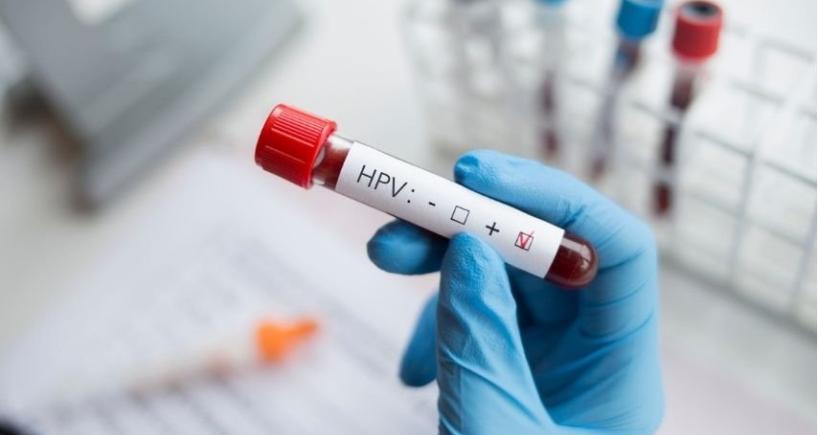


HPV-Positive vs HPV-Negative Head and Neck Cancer - What is the Real Difference?
Medicine Made Simple Summary
Head and neck cancer can be divided into HPV-positive and HPV-negative types based on whether the human papillomavirus is involved. HPV-positive cancer develops after long-term infection with high-risk HPV, usually in the tonsils or base of the tongue. HPV-negative cancer is more often linked to smoking and alcohol use. These two cancers behave differently. HPV-positive cancers usually respond better to treatment and have higher cure rates. Understanding the difference helps patients make sense of treatment plans, prognosis, and HPV-related head and neck cancer overview.
Why This Difference Matters to Patients
When patients are told their cancer is HPV-positive or HPV-negative, it can feel confusing and overwhelming. The words sound technical, but they carry important meaning. This distinction helps doctors predict how the cancer may behave and how well it may respond to treatment, including insights relevant to HPV head and neck cancer diagnosis.
For patients and families, understanding this difference reduces fear and helps explain why treatment recommendations may vary from person to person, even when the cancer appears to be in the same location.
What HPV-Positive Head and Neck Cancer Means
HPV-positive head and neck cancer develops when a high-risk type of human papillomavirus infects cells in the throat and remains there for many years. Over time, the virus interferes with normal cell repair and growth control.
This type of cancer most commonly affects the oropharynx, which includes the tonsils and the base of the tongue. Many patients with HPV head and neck cancer are younger adults and have never smoked or consumed much alcohol.
What HPV-Negative Head and Neck Cancer Means
HPV-negative head and neck cancer develops without involvement of the HPV virus. This type is more commonly linked to long-term exposure to tobacco and alcohol.
HPV-negative cancers can occur in various parts of the head and neck, including the mouth, voice box, and throat. Patients are often older and may have a long history of smoking or drinking, although this is not always the case.
How Doctors Determine HPV Status
Once cancer is diagnosed through a biopsy, additional tests are performed to check for HPV involvement. A commonly used test looks for a protein called p16, which is strongly associated with HPV-related cancer.
If the tumor tests positive for p16, it is considered HPV-positive. If it does not, the cancer is classified as HPV-negative. This testing is now a standard part of HPV head and neck cancer diagnosis.
Differences in How These Cancers Behave
HPV-positive and HPV-negative cancers behave differently at a biological level. HPV-positive tumors tend to grow in a way that makes them more sensitive to radiation and chemotherapy.
HPV-negative cancers are often more aggressive and less responsive to treatment. This difference plays a major role in outcomes and long-term survival.
Differences in Symptoms at Diagnosis
Both types of cancer can cause similar symptoms, such as throat pain, difficulty swallowing, or voice changes. However, HPV-positive cancers often present with a painless lump in the neck due to early spread to lymph nodes.
HPV-negative cancers may cause more visible sores or persistent pain in the mouth or throat. These differences are not absolute, but they are commonly observed.
Why HPV-Positive Cancer Often Has a Better Prognosis
One of the most important differences between the two types is prognosis. HPV-positive head and neck cancer generally has a higher cure rate. Many patients respond very well to treatment and go on to live long, healthy lives.
This improved outcome is not because the cancer is less serious, but because it is more sensitive to available treatments. This distinction offers reassurance to many patients after diagnosis.
Treatment Approaches for HPV-Positive Cancer
Treatment for HPV-positive cancer often includes radiation therapy, sometimes combined with chemotherapy. In selected cases, surgery may be used to remove the tumor, especially when it can be done with minimal impact on speech and swallowing.
Because outcomes are generally good, doctors are actively studying whether some patients can safely receive less intensive treatment while still achieving high cure rates.
Treatment Approaches for HPV-Negative Cancer
HPV-negative cancer often requires more aggressive treatment. This may include surgery followed by radiation and chemotherapy, depending on the stage and location.
Because these tumors are less responsive to treatment, doctors focus on achieving the best possible control from the beginning.
Why Treatment Intensity May Differ
Patients sometimes notice that treatment plans differ between HPV-positive and HPV-negative cancers and wonder if care is unequal. This is not the case.
Treatment intensity is based on how the cancer behaves. HPV-positive cancers often allow for effective treatment with fewer long-term side effects, while HPV-negative cancers may require stronger approaches to achieve control.
Impact on Long-Term Side Effects
Long-term side effects of treatment can include changes in swallowing, speech, taste, and energy levels. Because HPV-positive patients are often younger, preserving quality of life is especially important.
Doctors carefully balance cure rates with long-term function when planning treatment. Research continues to refine these strategies.
Emotional Impact of Learning HPV Status
Learning that cancer is HPV-related can bring mixed emotions. Some patients feel relieved to understand the cause. Others feel embarrassed or confused because HPV is sexually transmitted.
It is important to remember that HPV infection is extremely common and not a reflection of personal behavior. HPV-positive cancer is not something patients could have predicted or prevented on their own.
Concerns About Partners and Family
Patients often worry about what HPV-positive status means for partners. By the time cancer is diagnosed, the HPV infection usually occurred many years earlier.
There is no need for partners to change behavior or undergo special testing. HPV-positive cancer is not contagious.
Follow-Up and Surveillance Differences
Follow-up care after treatment is similar for both HPV-positive and HPV-negative cancers. Regular checkups, imaging, and monitoring are essential.
Because HPV-positive cancers have better outcomes, long-term survival rates are generally higher, but careful follow-up remains important for all patients.
Why HPV Status Does Not Change the Seriousness of Cancer
Although HPV-positive cancer has a better prognosis, it is still a serious diagnosis. Treatment can be challenging and recovery takes time.
Patients should not minimize the importance of treatment or follow-up based on HPV status alone.
Clearing Up Common Misunderstandings
Some patients believe HPV-positive cancer is mild or not real cancer. This is incorrect. It is a true cancer that requires proper treatment.
Others believe HPV-negative cancer means treatment will fail. This is also incorrect. Many patients with HPV-negative cancer are successfully treated.
Why Doctors Emphasize Personalized Care
The distinction between HPV-positive and HPV-negative cancer allows doctors to personalize treatment rather than use a one-size-fits-all approach.
This personalization improves outcomes and helps patients receive care tailored to their specific disease.
What This Means for Patients Moving Forward
Understanding HPV status helps patients ask better questions and feel more involved in decision-making.
It allows clearer discussions about prognosis, treatment goals, and recovery expectations.
Reducing Fear Through Understanding
Fear often comes from uncertainty. Knowing what HPV-positive or HPV-negative means removes confusion and helps patients focus on healing.
Clear explanations empower patients and families.
The Bigger Picture
Both HPV-positive and HPV-negative head and neck cancers are treatable. Advances in diagnosis and treatment continue to improve outcomes for both groups.
The key is early evaluation, appropriate treatment, and ongoing follow-up.
Conclusion
If you or a loved one has been diagnosed with head and neck cancer, ask your doctor about HPV status and what it means for treatment and recovery. Understanding this distinction will help you navigate care with greater confidence and clarity.
Categories
Clear allMeet the doctor

- Oncology | Surgical Oncology | Head and Neck Oncosurgery
-
 15 Years
-

Related Blogs
View all










Keep track of your appointments, get updates & more!

