
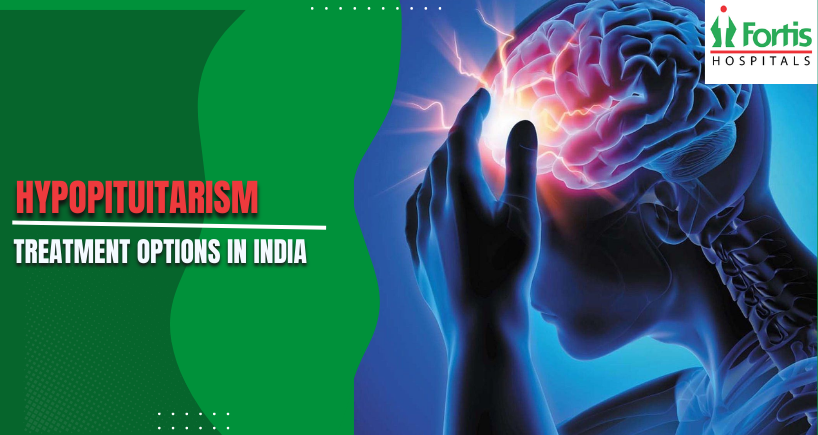


Hypopituitarism Treatment Options in India
A diagnosis of hypopituitarism can feel like the world has been turned upside down. To learn that your body's "master gland" is failing is a daunting and often frightening experience. The journey to this diagnosis is frequently a long one, marked by vague, unexplained symptoms that slowly erode your quality of life. But in India, as in the rest of the world, this diagnosis is not an end point. It is the beginning of a clear, manageable, and effective path back to health.
While there is no cure that can regenerate a damaged pituitary gland, the treatments available today are incredibly successful. The focus of modern hypopituitarism treatment is precise and effective: to replace what is missing and, where possible, to address the underlying cause of the failure. With the right medical care and a proactive partnership with your doctors, it is entirely possible to live a full, energetic, and long life.
The Cornerstone: Hormone Replacement Therapy (HRT)
The fundamental principle of managing hypopituitarism is simple: if your body is not making enough of a specific hormone, we must replace it. Hormone Replacement Therapy (HRT) is the lifelong cornerstone of care, designed to mimic the body's natural rhythms and restore its delicate balance. This requires a close partnership with an endocrinologist, a specialist in hormone disorders, who will tailor a precise regimen for your unique needs.
In India, the medications needed to replace these vital hormones are readily available.
Cortisol Replacement (for ACTH Deficiency)
This is the most critical and life-saving of all the hormone replacements. A lack of cortisol is incompatible with life. The standard treatment is daily oral hydrocortisone, available under brand names like Cort-S. This medication is typically taken in two or three divided doses to mimic the body's natural daily rhythm of cortisol production. A crucial part of this therapy is learning the "sick day rules" or stress dosing—you must learn to increase your hydrocortisone dose during times of illness, injury, or major stress to prevent a life-threatening adrenal crisis.
Thyroid Hormone Replacement (for TSH Deficiency)
This is one of the most straightforward replacements. A deficiency of TSH leads to an underactive thyroid (hypothyroidism). This is treated with a once-daily tablet of levothyroxine, a synthetic thyroid hormone. This medication is widely available and affordable in India under well-known brand names like Eltroxin and Thyronorm.
Sex Hormone Replacement (for LH and FSH Deficiency)
A lack of the gonadotropins affects reproductive health and overall well-being.
For Men: Testosterone replacement is essential for maintaining libido, muscle mass, bone density, and energy levels. In India, this is commonly administered via intramuscular injections or topical gels available at most pharmacies.
For Women: Estrogen and progesterone replacement is needed for pre-menopausal women to protect bone health, support cardiovascular health, and prevent the symptoms of premature menopause. This is often managed with standard oral contraceptive pills or specific HRT patches and gels.
Growth Hormone (GH) Replacement
In children, replacing GH is absolutely essential for achieving a normal adult height. In adults, GH deficiency can cause fatigue, increased body fat, and a reduced quality of life. Treatment involves daily self-injections of synthetic growth hormone (somatropin). While effective, this is the most challenging part of hypopituitarism treatment in India due to its very high cost and the need for a consistent cold chain for storage.
ADH Replacement (for Diabetes Insipidus)
If the posterior part of the pituitary is damaged, it can lead to a deficiency of ADH, causing a condition called diabetes insipidus (which is unrelated to sugar diabetes). This is treated with a synthetic hormone called desmopressin (DDAVP), which is available in India as a nasal spray or oral tablets.
Treating the Underlying Cause of the Failure
Replacing the missing hormones is only half the battle. A critical part of the treatment plan is to address the root cause of the pituitary damage. Since the most common cause is a pituitary tumor, the focus often turns to neurosurgery and radiation.
Advanced Neurosurgery
Major medical centers in India, particularly in cities like Delhi, Mumbai, Bengaluru, and Chennai, are equipped with state-of-the-art neurosurgical facilities. The standard procedure for removing a pituitary tumor is a minimally invasive technique called transsphenoidal surgery. An expert neurosurgeon passes tiny instruments through the nasal passages to reach and remove the tumor, avoiding the need for a traditional open-skull operation. The goal is to remove the tumor while preserving as much of the healthy pituitary gland as possible.
Targeted Radiation Therapy
If surgery cannot completely remove a tumor, or if the tumor is of a type that responds to radiation, this becomes an important treatment option. Modern Indian cancer centers offer highly precise forms of radiation, such as Stereotactic Radiosurgery (Gamma Knife or CyberKnife), which deliver a focused dose of radiation to the tumor while minimizing damage to the surrounding healthy brain and pituitary tissue.
Navigating Your Care in India
Managing a rare and chronic condition requires a dedicated medical team.
Finding a Specialist: The most important step is to find an endocrinologist. These specialists are typically affiliated with major government institutions (like AIIMS in New Delhi or PGI in Chandigarh) and large private hospital chains (like Apollo, Fortis, and Max Healthcare). A referral from a general physician is the best starting point.
The Diagnostic Process: The process of diagnosing hypopituitarism involves a series of complex blood tests and stimulation tests, followed by an MRI of the brain. These facilities are widely available in urban centers across the country.
Accessibility and Cost: While most of the essential hormone replacements are affordable, the cost can still be a burden for many. The cost of growth hormone is a significant challenge. Surgical and radiation treatments are available at a lower cost in premier government hospitals compared to private institutions, though wait times can be longer.
Living a Full Life
A diagnosis of hypopituitarism is life-changing, but it does not have to be life-limiting. It is a manageable condition. The key to a successful outcome is your active participation in your own care.
Diligent adherence to your daily medication schedule, regular follow-up appointments with your endocrinologist, and a clear understanding of your emergency "sick day" plan are the pillars of good health. With the excellent medical expertise and treatments available across India, you have the tools you need to restore your body's balance and live a vibrant, healthy life.
Frequently Asked Questions
Q1. Are all the medications for hypopituitarism treatment easily available in India?
Ans. Yes, the essential medications like hydrocortisone, levothyroxine, testosterone, and estrogen are all readily available in pharmacies across India. Growth hormone is also available but is significantly more expensive and may need to be ordered by your endocrinologist from a specialty distributor.
Q2. Where can I find the best neurosurgeons for pituitary surgery in India?
Ans. Top-tier neurosurgeons specializing in pituitary surgery are concentrated in major metropolitan areas. Premier institutions like the All India Institute of Medical Sciences (AIIMS) in Delhi, the National Institute of Mental Health and Neurosciences (NIMHANS) in Bengaluru, and major private hospitals are renowned for their expertise in this field.
Q3. Does medical insurance in India typically cover this condition?
Ans. Coverage can vary significantly. Most insurance policies will cover the costs of diagnosis and surgery. However, coverage for the lifelong cost of hormone replacement medications can be limited. It is essential to carefully review your specific policy details.
Q4. What is the most important piece of advice for a patient in India?
Ans. The most critical advice is to always be prepared for an emergency. You must understand your stress dosing rules for hydrocortisone and wear a medical alert bracelet or carry a wallet card that clearly states you have hypopituitarism and are steroid-dependent. This can be life-saving in an emergency.
Categories
Clear allRelated Blogs
View all








Keep track of your appointments, get updates & more!

