
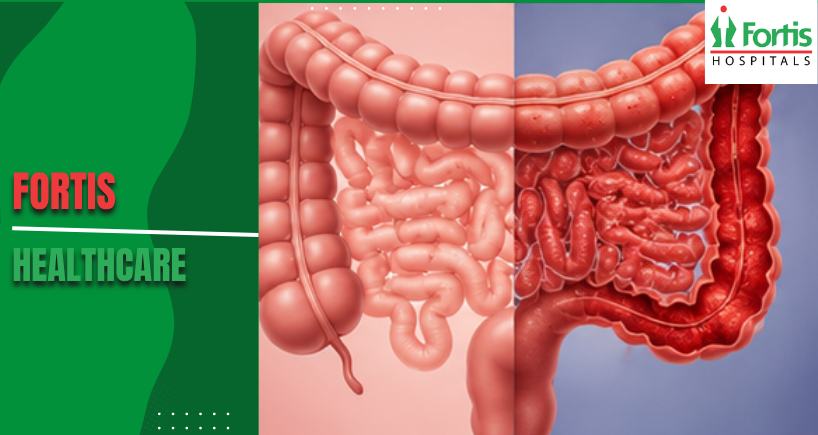


IBS vs IBD Understanding the Key Differences
Irritable Bowel Syndrome (IBS) and Inflammatory Bowel Disease (IBD) share similar-sounding names and a handful of overlapping symptoms cramping, bloating, and unpredictable bowel habits. Yet they are fundamentally different conditions. Confusing one for the other leads to wrong treatment, prolonged suffering, and in the case of IBD, potentially irreversible bowel damage.
What Is IBS?
IBS is a functional gut-brain disorder meaning the bowel looks structurally normal, but communicates poorly with the brain, causing altered motility and heightened pain sensitivity. It affects an estimated 10–15% of adults globally and is one of the most common reasons for gastroenterology outpatient visits in India.
Diagnosis is made using the Rome IV Criteria: recurrent abdominal pain at least one day per week for three months, linked to changes in bowel frequency or stool form. There is no blood test or biopsy for IBS, it is diagnosed on symptoms after excluding other causes. IBS is classified into subtypes: IBS-C (constipation-predominant), IBS-D (diarrhea-predominant), and IBS-M (mixed).
Crucially, IBS never damages the bowel and does not increase cancer risk.
What Is IBD?
IBD is a chronic immune-mediated inflammatory disease that causes real, measurable damage to the gastrointestinal tract. It has two main forms:
- Crohn's disease — can affect any part of the GI tract, often with transmural (full-thickness) inflammation, capable of forming fistulas and strictures
- Ulcerative colitis — confined to the colon and rectum, with continuous superficial mucosal inflammation
India now has the highest IBD burden in Southeast Asia, with incidence rising rapidly. A large Indian colonoscopy study involving over 30,000 patients found IBD accounted for 5.4% of all lower GI presentations, surpassing even infectious colitis.¹
Key Differences at a Glance
Feature | IBS | IBD |
Inflammation present? | No | Yes |
Structural damage? | None | Ulceration, scarring, fistulas |
Diagnosed by | Rome IV symptoms | Colonoscopy + biopsy |
Blood in stool? | Rare | Common |
Cancer risk? | None | Elevated with long-standing disease |
Treatment goal | Symptom relief | Mucosal healing + remission |
When Should You See a Doctor?
Seek urgent gastroenterological evaluation if you experience blood in stools, nocturnal diarrhea, unexplained weight loss, persistent fever, or perianal discharge. These are red-flag features that point toward IBD — not IBS — and require prompt investigation.
IBS won't harm your intestine. IBD can — and the damage accumulates silently. Early, accurate diagnosis through specialist evaluation is not optional; it is essential. At Fortis Healthcare, our gastroenterology team uses advanced endoscopic technology and dedicated IBD clinics to ensure every patient receives the right diagnosis and the right treatment.
References
- Banerjee R et al. Lancet Reg Health Southeast Asia. 2023;14:100208.
- Lacy BE et al. Am J Gastroenterol. 2021;116(1):17–44.
- Desai D, Dhoble P. Indian J Gastroenterol. 2024;43(1):15–17.
Categories
Clear allMeet the doctor

- Gastroenterology and Hepatobiliary Sciences | Gastroenterology and Hepatobiliary Sciences
-
 10 Years
-
 1500
1500
Related Blogs
View all
When Is A Liver Transplant Recommended?
Alcoholic Liver Disease - Why Worry?

Binge Drinking Trend Is The New Silent Killer


Irritable Bowel Syndrome

Digestive Disorders And Prevention


FAQs

Keep track of your appointments, get updates & more!

