
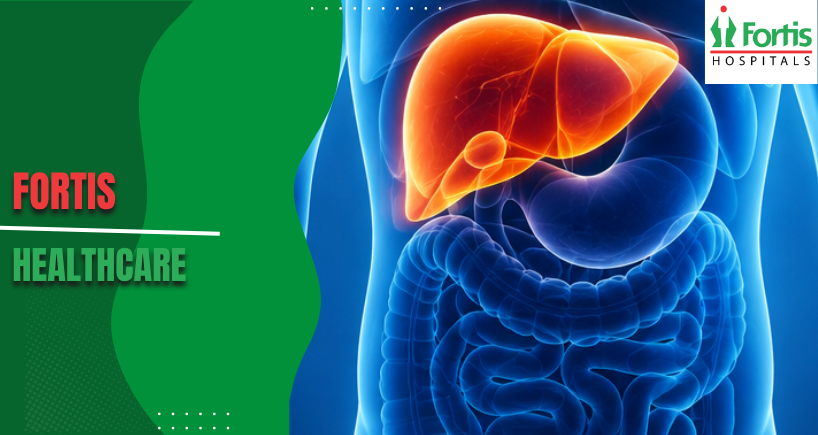


India Best Gastro Hospitals Leading in Fatty Liver Disease Reversal Programs
Fatty liver disease affects nearly one third of India's urban population. The condition progresses through distinct stages that require different intervention approaches. Non alcoholic fatty liver disease can reverse when identified early and managed systematically. Hospital programs now use structured protocols that address metabolic factors alongside liver specific treatments.
Reversal programs require sustained medical oversight across multiple clinical disciplines. You need access to diagnostic tools that track liver fat percentage and fibrosis markers. Treatment extends beyond medication to include nutrition planning and metabolic correction. The best gastro hospital in india now integrates these elements into coordinated care pathways that address root metabolic causes.
Clinical Protocol Structure in Leading Programs
Reversal programs follow a staged approach that begins with baseline assessment. Your initial evaluation includes fibroscan measurements and biochemical panels that establish disease severity. Teams use this data to categorize you into treatment tracks based on liver inflammation levels. Each track has defined intervention sequences that adjust according to your response patterns.
Programs divide treatment into acute reversal and maintenance phases. The acute phase typically runs twelve to sixteen weeks with frequent monitoring. You undergo weekly assessments that track weight reduction and enzyme normalization. Maintenance protocols extend this framework into long term management structures.
Diagnostic Infrastructure Requirements
Advanced imaging capabilities separate comprehensive programs from basic treatment centers. You need access to controlled attenuation parameter scanning that quantifies hepatic steatosis. Magnetic resonance elastography provides fibrosis staging without biopsy procedures. These tools allow teams to measure treatment response with objective precision.
Laboratory infrastructure must support detailed metabolic profiling. Your monitoring includes insulin resistance markers and lipid subfraction analysis. Programs track inflammatory cytokines that indicate disease activity levels. This data guides medication adjustments and dietary modifications throughout your treatment course.
Multidisciplinary Team Configuration
Effective reversal requires coordination between hepatologists and endocrinologists. Your care involves specialists who address both liver pathology and metabolic dysfunction. The best gastro surgeon in india participates when structural complications require surgical evaluation. Nutritionists work directly with medical teams to align dietary plans with pharmacological interventions.
Programs assign care coordinators who manage your appointment sequences and test scheduling. You receive guidance on navigating different departments without treatment gaps. Coordinators ensure that specialist recommendations align into coherent treatment plans. This structure prevents conflicting advice that can compromise reversal outcomes.
Dietary Intervention Frameworks
Nutrition protocols in reversal programs differ significantly from general weight loss guidance. You follow caloric restriction patterns designed to mobilize hepatic fat stores specifically. Programs calculate your energy deficit based on resting metabolic rate and activity levels. Macronutrient ratios adjust according to your insulin sensitivity measurements.
Meal timing protocols influence metabolic pathway activation relevant to liver fat clearance. You may follow time restricted eating windows that enhance autophagy mechanisms. Programs monitor adherence through food logging systems integrated with clinical platforms. Nutritionists review your intake patterns weekly and modify plans based on biochemical feedback.
Monitoring System Architecture
Reversal tracking uses multiple data streams that converge into treatment dashboards. Your program includes regular fibroscan measurements at predetermined intervals. Blood work follows standardized panels that measure liver function and metabolic markers. Weight and body composition tracking occurs through bioimpedance analysis rather than simple scales.
Programs set specific targets for each monitoring parameter. You work toward enzyme normalization within defined timeframes based on baseline values. Steatosis reduction follows expected curves that programs compare against your actual measurements. Deviations trigger protocol adjustments before progression occurs.
Medical Management Approaches
Pharmacological interventions target insulin resistance and inflammatory pathways simultaneously. You may receive medications that improve hepatic insulin sensitivity. Programs use vitamin E supplementation at therapeutic doses when inflammation markers remain elevated. SGLT2 inhibitors increasingly feature in protocols due to their effects on hepatic glucose output.
Lipid management forms a parallel treatment track within reversal programs. Your statin therapy adjusts based on cardiovascular risk stratification and liver enzyme tolerance. Programs monitor for drug induced liver injury while managing dyslipidemia aggressively. This requires careful medication selection and dose optimization.
Behavioral Modification Integration
Structured exercise protocols form mandatory components of reversal programs. You follow prescribed activity levels that increase gradually based on fitness assessments. Programs differentiate between aerobic exercise for weight loss and resistance training for metabolic improvement. Your adherence tracking includes objective activity monitoring through wearable devices.
Sleep optimization receives direct attention in comprehensive programs. You complete sleep studies when metabolic syndrome features suggest sleep apnea. Programs address circadian rhythm disruption that affects liver metabolism. Treatment plans incorporate sleep hygiene protocols alongside dietary and exercise interventions.
Risk Stratification Methods
Programs categorize patients into progression risk groups using scoring systems. Your assessment includes factors beyond current liver status. Teams evaluate diabetes control quality and cardiovascular disease presence. Genetic markers increasingly inform risk stratification when family history suggests inherited susceptibility.
High risk patients enter intensive monitoring tracks with more frequent assessments. You receive closer nutritionist contact and accelerated medication titration schedules. Programs may recommend earlier specialist consultations when risk scores indicate likely progression. This stratification allows resource allocation matching individual patient needs.
Technology Integration in Care Delivery
Digital platforms enable continuous engagement between clinic visits. You access educational modules tailored to your specific treatment phase. Programs use these systems to collect patient reported outcomes and symptom tracking. Mobile applications connect you with care teams for rapid question resolution.
Telemedicine consultations supplement in person visits for specific assessment types. Your nutritionist reviews may occur virtually while maintaining effectiveness. Programs reserve in person visits for physical examinations and imaging procedures. This hybrid model increases contact frequency without excessive travel requirements.
Quality Metrics in Program Evaluation
Leading centers track reversal rates across different patient subgroups. You can review program outcomes data showing steatosis reduction percentages. Facilities publish their fibrosis regression rates and metabolic normalization statistics. The best gastroenterology hospital in delhi NCR maintains transparent outcome reporting that allows comparison across institutions.
Programs measure patient retention through treatment phases. High dropout rates indicate protocol tolerability issues that require modification. The best gastro hospital in india tracks complication rates and adverse event frequencies. These metrics inform continuous quality improvement in program design.
Facility Capabilities Assessment
When selecting a reversal program, you evaluate diagnostic technology availability first. Centers must offer elastography and advanced metabolic testing. Surgical backup capabilities matter when complications arise during treatment. Gurgaon provides integrated gastroenterology services with comprehensive diagnostic infrastructure.
Physician experience levels in fatty liver management require direct inquiry. You need teams who manage hundreds of reversal cases annually. Programs should demonstrate familiarity with current research protocols. Access to clinical trials indicates centers operating at advanced practice levels.
Insurance Coverage Navigation
Reversal programs involve costs that span multiple service categories. You need clarity on coverage for imaging studies and specialized laboratory tests. Insurance pre authorization requirements vary significantly between diagnostic procedures. Programs should provide financial counseling that projects total treatment costs accurately.
Some monitoring components may require out of pocket payment. Your program should outline these expenses during initial consultations. Centers with transparent pricing models allow better financial planning. Coverage limitations sometimes necessitate protocol modifications that maintain clinical effectiveness while reducing costs.
Categories
Clear allRelated Blogs
View all
When Is A Liver Transplant Recommended?

Alcoholic Liver Disease - Why Worry?

Binge Drinking Trend Is The New Silent Killer


Irritable Bowel Syndrome

Digestive Disorders And Prevention


FAQs

Keep track of your appointments, get updates & more!

