
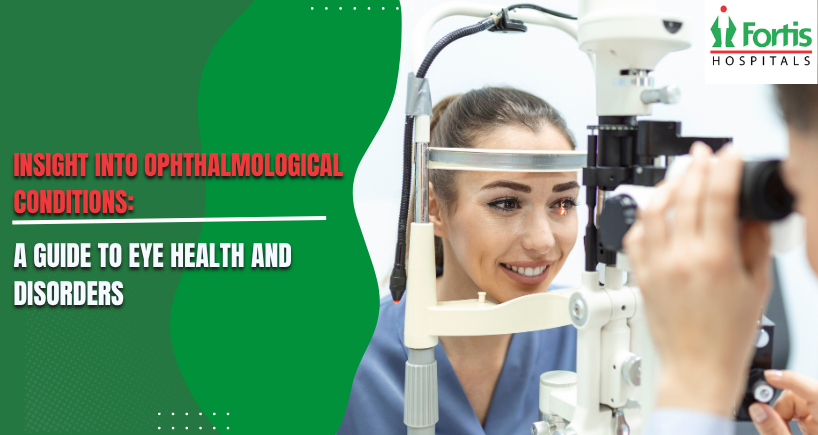


Insight into Ophthalmological Conditions: A Guide to Eye Health and Disorders
Our sense of sight is a profound gift, a constant stream of information that shapes our understanding of the world, connects us to our loved ones, and allows us to navigate our daily lives with independence. This intricate and delicate sense is powered by one of the most complex organs in the human body: the eye. Protecting and preserving this precious faculty requires a specialized field of medicine dedicated entirely to its care.
This comprehensive discipline is known as ophthalmology, the branch of medicine focused on the health of our eyes and the preservation of our vision from infancy through our senior years.
What Is Ophthalmology?
Many people ask, what is ophthalmology? At its core, it is the medical and surgical specialty concerned with the anatomy, function, diseases, and treatment of the eye. An ophthalmologist is a medical doctor (MD) who has completed extensive and rigorous training, including four years of medical school followed by a demanding surgical residency program. This training makes them unique among eye care providers. They are not only physicians who can diagnose and treat a vast range of eye diseases with medication, but they are also highly skilled surgeons who can perform incredibly delicate operations inside and around the eye. This dual expertise allows them to provide the full spectrum of eye care, from prescribing glasses to performing complex sight-saving surgery.
The Comprehensive Scope of an Ophthalmologist's Care
The field of ophthalmology is incredibly broad, covering every aspect of eye health. An ophthalmologist is the primary guardian of your vision, capable of managing a wide variety of conditions and providing services that range from routine check-ups to emergency surgical interventions.
Medical Diagnosis and Treatment
Ophthalmologists are expert diagnosticians. They use advanced equipment and their extensive training to identify hundreds of eye conditions. Many of these diseases can be managed medically, without the need for surgery. This includes prescribing eye drops to manage conditions like glaucoma, providing treatments for eye infections like conjunctivitis (pink eye), and managing chronic inflammatory conditions of the eye. They also play a crucial role in identifying the ocular signs of systemic diseases, such as diabetes and high blood pressure, often being the first to detect these conditions during a routine eye exam.
Advanced Surgical Intervention
When medical treatment is not sufficient, an ophthalmologist’s surgical skills are paramount. They perform some of the most intricate and precise procedures in all of medicine. The most common of these is cataract surgery, where the eye’s cloudy natural lens is replaced with a clear, artificial one. Other surgical procedures include repairing detached retinas, performing corneal transplants, correcting misaligned eyes (strabismus), and performing delicate glaucoma surgeries to relieve pressure inside the eye.
A Guide to Common Ophthalmological Conditions
Ophthalmologists diagnose and treat a vast array of disorders. Understanding some of the most common conditions they manage can empower you to recognize potential issues and seek timely care.
Cataracts
A cataract is the progressive clouding of the eye's natural lens. It is an almost inevitable part of aging for many people. As the lens becomes more opaque, it scatters light, leading to symptoms like blurry vision, faded colors, and increased glare from lights, particularly at night. The only effective treatment for a cataract is surgery, a highly successful procedure that restores clear vision.
Glaucoma
Often called the "silent thief of sight," glaucoma is a group of diseases that cause progressive damage to the optic nerve, the vital link between the eye and the brain. This damage is typically caused by an increase in pressure inside the eye. Glaucoma often has no early symptoms, slowly and painlessly destroying peripheral vision first. Because the vision loss is irreversible, early detection through regular ophthalmology exams is the key to preserving sight.
Age-Related Macular Degeneration (AMD)
AMD is a leading cause of vision loss in people over the age of 50. It affects the macula, the small central portion of the retina responsible for sharp, detailed, straight-ahead vision. AMD does not cause total blindness, but it can severely impair a person’s ability to read, drive, and recognize faces. While there is no cure, various treatments can slow its progression.
Diabetic Retinopathy
This is a serious complication of diabetes and a leading cause of blindness in working-age adults. Chronically high blood sugar levels can damage the tiny blood vessels in the retina, causing them to leak fluid or bleed. A comprehensive dilated eye exam is the only way to detect these changes early, allowing an ophthalmologist to provide treatments like laser therapy to seal leaking vessels and protect vision.
A Clear Focus on Your Lifelong Vision
The field of ophthalmology stands as a dedicated guardian against the conditions that threaten our sight. From routine examinations that catch problems early to advanced surgical procedures that restore vision, ophthalmologists provide an essential service that impacts our quality of life at every stage.
Your vision is an invaluable asset that deserves expert care. Partnering with an ophthalmologist for regular, comprehensive eye exams is the most important investment you can make in preserving your window to the world for a lifetime.
Frequently Asked Questions
Q1. What is the difference between an ophthalmologist, an optometrist, and an optician?
Ans. This is a common point of confusion. An ophthalmologist is a medical doctor (MD) who provides the full spectrum of eye care, including medical treatments, eye surgery, and prescribing glasses and contacts. An optometrist (OD) provides primary vision care, such as vision testing, prescribing glasses, and diagnosing and treating certain eye diseases with medication. An optician is a technician who fits and dispenses eyeglasses and contact lenses based on prescriptions from an ophthalmologist or optometrist.
Q2. How often should I see an ophthalmologist for a comprehensive exam?
Ans. The American Academy of Ophthalmology recommends that adults get a baseline comprehensive eye exam at age 40, as this is when early signs of disease and changes in vision may begin. Your ophthalmologist will then recommend a follow-up schedule based on your personal risk factors. Individuals with known risk factors like diabetes or a family history of eye disease should see their doctor more frequently.
Q3. Are serious eye diseases preventable?
Ans. While some conditions are related to age and genetics, you can take many proactive steps to protect your vision. This includes wearing sunglasses to protect against UV damage, eating a healthy diet rich in leafy greens and omega-3s, not smoking, and managing systemic health conditions like diabetes and high blood pressure. Most importantly, regular exams can prevent vision loss by catching diseases early.
Q4. What is a "dilated" eye exam and why is it so important?
Ans. A dilated eye exam is a critical part of a comprehensive evaluation. The ophthalmologist will use special eye drops to widen your pupils, which allows them to get a clear, unobstructed view of the entire back of your eye, including the retina and the optic nerve. This is the only way to detect early signs of many serious, sight-threatening diseases like glaucoma, diabetic retinopathy, and macular degeneration long before you have any symptoms.
Categories
Clear allRelated Blogs
View all







Keep track of your appointments, get updates & more!

