
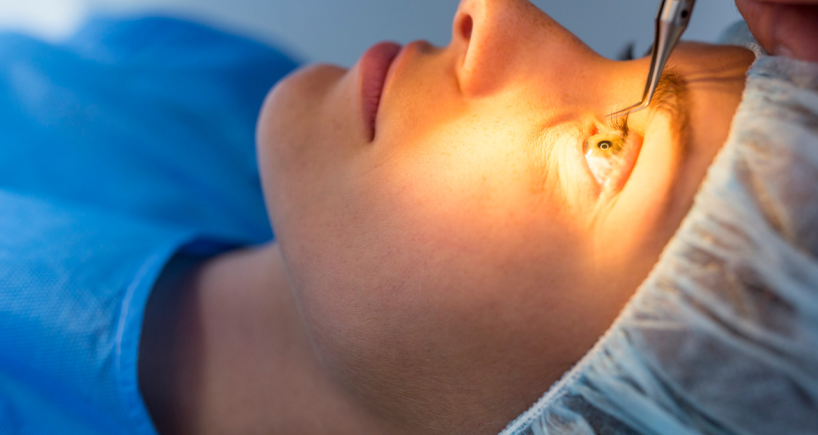


LASIK Surgery Hospital in Mumbai Mulund
LASIK Surgery: Who Can Have It? Why It’s Done, Procedure, Benefits and Risks
Do you have a refractive error or blurry vision? LASIK eye surgery may be an option for you, especially if you’re someone who doesn’t feel comfortable wearing glasses or contact lenses. LASIK (laser-assisted in situ keratomileusis) can help improve your eyesight and quality of life. At Fortis Hospital, Mulund, we offer all types of laser eye surgery procedures, including LASIK, with excellent outcomes. Our ophthalmologists are widely recognised for their expertise and care in laser vision correction surgery, also called laser refractive surgery. Our eye surgeons offer comprehensive, personalised care using the latest laser technology.
Continue reading to learn more about LASIK eye surgery, including what conditions the procedure can treat, who can have it, how it’s done, when to call the doctor, and why you should choose Fortis Hospital, Mulund, for laser vision correction service.
What is LASIK Eye Surgery?
LASIK eye surgery is an advanced laser vision correction technique used to treat vision problems. It involves using a laser to reshape your cornea to correct refractive errors, helping you see better without prescription glasses or contact lenses. The procedure is the most common type of laser refractive surgery.
While LASIK can effectively treat some vision problems, not everyone can opt for it. At Fortis Hospital, Mulund, our ophthalmologists will do a thorough evaluation to ensure that you’re a candidate for this innovative eye treatment.
What Conditions Can LASIK Surgery Treat?
LASIK is used to treat vision problems caused by refractive errors that make it difficult to see clearly. These include:
- Nearsightedness (myopia) – you can see objects that are close clearly, but you have trouble seeing distant objects.
- Farsightedness (hyperopia) – you can see objects at a distance more easily, but nearby objects look blurry.
- Astigmatism – you have blurry vision at all distances.
- Presbyopia (age-related hyperopia) – it is a natural part of ageing and is common after age 45. It gradually reduces your eyes’ ability to see nearby objects clearly.
Is LASIK Surgery Right for Me?
Your eye specialist can only tell you whether LASIK surgery is right for you.
At Fortis Hospital, Mulund, our refractive surgery team will perform a comprehensive eye exam to see if you are a good candidate for LASIK. They will ask about your medical and surgical history to find out if you have any condition that would make this procedure risky or ineffective for you.
An ideal candidate for this surgery has the following criteria:
- You are at least 18 years of age or older
- You have had a stable vision prescription for the last 12 months and want to avoid or reduce your dependence on glasses or contact lenses
- You have thick, healthy corneas
- You have good overall health, including your eye health
- You do not have a cataract or an eye disease that affects your vision
- You aren’t pregnant, nursing, or on birth control
For long-term results, you may be asked to stop wearing contact lenses (in case you’re wearing them), for at least a few weeks before your eye evaluation and surgery.
If you’re a good candidate for LASIK, our experts will explain the pros and cons of this surgery so that you’re well-informed. They will also discuss the expected outcomes with you based on your current eye health. However, if our experts find that LASIK or refractive laser surgery is not an option for you, they’ll recommend other vision correction options that might work better.
How is LASIK Surgery Performed?
Generally, LASIK surgery is painless and takes 30 minutes or less. It is usually performed in an outpatient centre of the hospital or your ophthalmologist’s office, meaning you can go home after the procedure.
Before the procedure, our experts will provide specific instructions on how to prepare for your surgery.
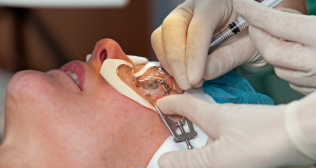
During the procedure, your surgeon will:
- Put numbing eye drops into your eyes, so you don’t feel pain during the surgery.
- Use a device to keep your eyes open.
- Place a suction ring on your eyes to keep them from moving.
- Create a thin flap in your cornea (corneal flap) using a laser, and then lift and fold the flap back.
- Reshape your cornea using a programmed laser as you stay focused on a point of light.
- Carefully put the corneal flap back in its original place – the flap can heal without requiring any stitches.
Once the surgery is complete, your surgeon will place eye shields over your eyes to protect the flap while it heals. You will not be able to see clearly right after the procedure.
For a few days after LASIK, your eyes might itch or feel like they’re burning. You may also experience temporary side effects, such as mild eye pain, dryness, redness, blurry vision, and sensitivity to light. Your doctor will give you eye drops to reduce dryness, prevent infection, and help speed up healing. Usually, healing and visual recovery after LASIK surgery are quick, and most people can fully recover and achieve stable vision within 2-3 months. Your ophthalmologist will tell you how soon you can resume your usual activities.
About 1-2 days after the surgery, you’ll have a follow-up appointment with your eye specialist to check for any complications and see how your eye is healing. Make sure to attend all your follow-up appointments as recommended by your doctor.
Additionally, follow your doctor’s aftercare instructions carefully for a smooth and speedy recovery after LASIK.
When to Call the Doctor
You should contact your eye specialist immediately if you have:
- Severe pain
- Decreased eyesight
- Side effects that get worse despite treatment, or any other concerning symptoms
What are the Benefits and Risks of LASIK Surgery?
LASIK surgery offers several benefits, including:
- Improved vision without depending on glasses or contact lenses, which means a better quality of life
- Minimal to mild pain after surgery
- Rapid healing
- Fast visual recovery
- Lasting results for refractive errors
As with any surgical procedure, LASIK carries some potential risks and complications, including:
- Infection or inflammation
- Undercorrections
- Overcorrections
- Corneal ectasia
- Regression
- Vision loss or changes in rare cases
At Fortis Hospital, Mulund, our eye specialists will not recommend laser refractive surgery if you have a medical condition that can increase your risks or complications associated with LASIK.
Why Choose Forti Hospital, Mulund, for LASIK Surgery?
- Comprehensive Care
- Personalised Solutions
- Advanced Technology
- Experienced Laser Refractive Surgery Specialists
- Exceptional Results
Conclusion
LASIK can be a life-changing procedure for most people who want to correct their vision and avoid or limit their use of spectacles or contact lenses. If you need LASIK surgery or laser vision correction service and are looking for expert care, ophthalmologists at Fortis Hospital, Mulund, can help. With advanced training in refractive surgery, our eye surgeons offer comprehensive, personalised care to help you achieve the best results possible.
____________________________________________________________________________________________
Fortis Hospital Mulund, Mumbai
Address: Mulund Goregaon Link Road, Mulund-West, Mumbai, 400078
For any enquiries -
Ph. 02268846141
Categories
Clear allMeet the doctor
- Ophthalmology | Ophthalmology
-
 30 Years
-
 1700
1700
Related Blogs
View all



FAQs

Keep track of your appointments, get updates & more!

