
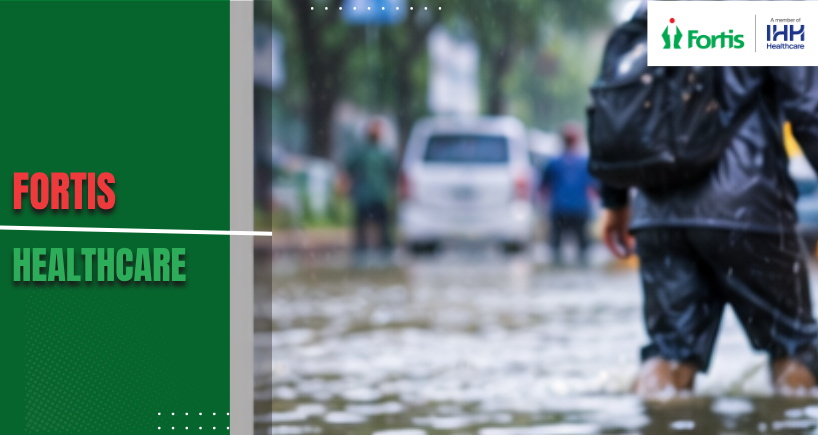


Leptospirosis -The Waterlogging Disease Most People Have Never Heard Of
Every monsoon, cities flood, streets turn into shallow rivers, and kids splash through puddles without a second thought. What most people don't realize is that this stagnant, waterlogged water can carry a bacterial infection most have never even heard of: leptospirosis. Unlike dengue or malaria, it doesn't spread through mosquitoes — it spreads through contact with contaminated water, making it one of the most overlooked waterborne diseases during rainy season.
This guide covers leptospirosis symptoms, leptospirosis causes, and how leptospirosis treatment works, so you can recognize it before it becomes serious.
What Is Leptospirosis?
Leptospirosis is a bacterial infection caused by Leptospira bacteria, which live in the urine of infected animals — commonly rats, dogs, cattle, and pigs. When this urine contaminates water or soil, the bacteria can survive there for weeks. People get infected when this contaminated water comes into contact with cuts, scrapes, or mucous membranes like the eyes, nose, or mouth.
It's classified among infectious diseases that thrive in flood-prone urban environments, which is exactly why cases spike every monsoon season in low-lying, waterlogged areas.
Understanding Leptospirosis Causes
Knowing the leptospirosis causes helps explain why certain activities carry higher risk:
- Wading through floodwater — Even brief contact with contaminated water can be enough if you have an open cut or wound.
- Contact with rodent urine or droppings — Common in areas with poor waste management or rodent infestations.
- Working in agriculture or sanitation — Farmers, sewage workers, and those handling livestock face higher occupational exposure.
- Swimming or wading in contaminated lakes or rivers — Water bodies near farms or urban runoff areas carry higher risk.
- Handling infected animals — Direct contact with the urine of infected pets or livestock is a lesser-known transmission route.
Importantly, leptospirosis does not spread directly from person to person, which sets it apart from many other infectious illnesses.
Recognizing Leptospirosis Symptoms
Leptospirosis symptoms typically appear 2 days to 4 weeks after exposure, and they're often mistaken for the flu or other common fevers early on. Watch for:
- Sudden high fever with chills
- Severe headache
- Muscle pain, especially in the calves and lower back
- Red, irritated eyes (conjunctival suffusion — a distinctive sign)
- Vomiting and abdominal pain
- Jaundice (yellowing of skin or eyes) in more severe cases
- Diarrhea or rash in some patients
Many mild cases resolve without treatment, but a subset of patients progress to a more severe form of the disease, sometimes called Weil's disease, which can involve kidney damage, liver failure, and internal bleeding.
When Symptoms Signal a Medical Emergency
Because leptospirosis can escalate quickly in its severe form, certain symptoms should never be ignored:
- Yellowing of the skin or eyes (jaundice)
- Reduced urination or dark-colored urine
- Difficulty breathing
- Confusion or extreme drowsiness
- Unexplained bruising or bleeding
- Persistent high fever unresponsive to medication
If any of these appear after potential exposure to floodwater or contaminated soil, seek medical attention immediately rather than waiting it out.
How Leptospirosis Treatment Works
Leptospirosis treatment depends heavily on how early the infection is caught:
- Antibiotics — Doctors typically prescribe antibiotics such as doxycycline or penicillin, which are most effective when started early in the illness.
- Supportive care — Fluids, rest, and fever management help the body recover, especially in mild to moderate cases.
- Hospitalization for severe cases — Patients showing signs of organ involvement (kidney or liver dysfunction) may need IV antibiotics, dialysis, or intensive monitoring.
- Follow-up testing — Blood and urine tests help confirm diagnosis and track recovery, since symptoms can overlap with other infectious diseases like dengue and typhoid.
Early treatment significantly improves outcomes, which is exactly why recognizing the symptoms quickly matters so much.
Preventing Leptospirosis During Monsoon Season
Since this is fundamentally a waterborne disease, prevention centers around limiting contact with contaminated water:
- Avoid wading through floodwater whenever possible, especially with open cuts
- Wear waterproof boots and gloves if contact with floodwater is unavoidable
- Cover wounds with waterproof bandages before potential exposure
- Control rodent populations around homes and workplaces
- Wash hands and skin thoroughly after any contact with flood or stagnant water
- Avoid swimming in lakes or rivers near farmland or urban runoff after heavy rain
Final Thoughts
Leptospirosis rarely gets the same attention as dengue or malaria, yet it poses a real risk every time streets flood and stagnant water pools around homes. The good news is that it responds well to antibiotics when caught early. Being aware of the early symptoms — especially red eyes, calf pain, and fever after flood exposure — can help you seek treatment before the illness has a chance to progress.
Categories
Clear allMeet the doctor

- Gastroenterology and Hepatobiliary Sciences | Gastroenterology | Gastroenterology and Hepatobiliary Sciences
-
 5 Years
-
 1250
1250
Related Blogs
View all
When Is A Liver Transplant Recommended?

Alcoholic Liver Disease - Why Worry?

Binge Drinking Trend Is The New Silent Killer

Irritable Bowel Syndrome

Digestive Disorders And Prevention

FAQs

Keep track of your appointments, get updates & more!

