
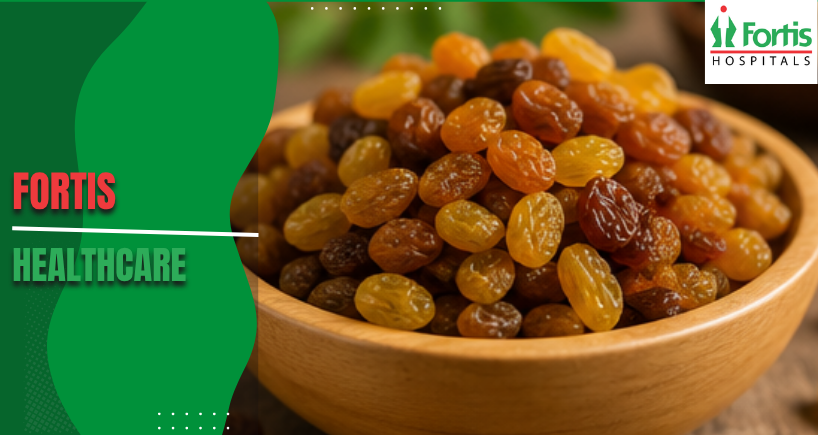


Lesser-Known Benefits of Eating Raisins Daily for Overall Wellness
Raisins — those small, wrinkled, sun-dried grapes found in every Indian kitchen — are often treated as nothing more than a garnish for kheer or a snack for children. But modern nutritional science is making a compelling case for raisins as a serious daily wellness food. They are dense with natural compounds that benefit the heart, gut, bones, blood, and beyond.
What makes raisins particularly interesting is not just what they contain, but how their nutrient profile changes through the drying process. Drying concentrates many of the grape's beneficial compounds — fiber, antioxidants, iron, potassium, and natural sugars — into a small, easy-to-eat package. Here is a closer look at the lesser-known but meaningful benefits of eating raisins every day.
Nutritional Snapshot of Raisins (Per 30g / Small Handful)
- Calories: ~85 kcal
- Natural Sugars: ~18g (glucose and fructose — quick energy)
- Fiber: ~1g
- Iron: ~0.8mg
- Potassium: ~212mg
- Antioxidants: Polyphenols, flavonoids, tartaric acid
- Boron: Supports bone density and hormone balance
Lesser-Known Health Benefits of Eating Raisins Daily
1. Supports Digestive Regularity
Raisins are rich in dietary fiber, particularly soluble fiber, which absorbs water and forms a gel-like substance in the digestive tract. This promotes smooth bowel movements and helps prevent constipation. Raisins also contain tartaric acid, which has been shown in research to improve intestinal function and support a healthy gut microbiome.
Soaking raisins overnight in water and consuming them with the soaking water first thing in the morning is a traditional remedy for digestive sluggishness that actually has nutritional logic behind it — the soaking releases more fiber and makes the natural sugars easier to digest.
2. Natural Energy Booster
Raisins contain glucose and fructose — natural, quickly absorbed sugars that provide a fast energy boost without the spike-and-crash associated with processed sugar. Athletes and active individuals often use raisins as a pre- or mid-workout energy snack. Several sports nutrition studies have actually compared raisins favorably to commercial energy chews in terms of performance support.
3. Supports Iron Levels and Reduces Fatigue
Iron deficiency is one of the most common nutritional deficiencies globally, particularly among women. Raisins are a decent plant-based source of iron and also contain copper, which helps the body absorb and utilize iron more effectively. Regular consumption of raisins — especially when paired with a vitamin C source — can support hemoglobin production and reduce symptoms of iron-deficiency fatigue.
4. May Help Control Blood Pressure
Raisins are rich in potassium, a mineral that counters the effects of dietary sodium on blood pressure. Several clinical studies have found that regular raisin consumption is associated with modest but meaningful reductions in systolic blood pressure, particularly compared to processed snack alternatives. Their low sodium content and high antioxidant profile also support arterial flexibility.
5. Protects Oral Health (Counterintuitively)
Despite being sticky and sweet, raisins have been shown in studies to actually benefit oral health. They contain oleanolic acid, a phytochemical that inhibits the growth of Streptococcus mutans — the bacteria primarily responsible for tooth decay and cavities. Raisins are also rich in calcium and boron, which strengthen tooth enamel. Of course, rinsing your mouth after eating is still recommended.
6. Supports Bone Health
Raisins are a rare plant-based source of boron — a trace mineral that plays a critical role in bone density, calcium absorption, and the metabolism of vitamin D. Many people are unknowingly boron deficient, and raisins are one of the most practical dietary sources. Combined with their calcium content, raisins make a meaningful contribution to long-term bone health, particularly for women at risk of osteoporosis.
7. Anti-Inflammatory and Antioxidant Effects
Dark raisins (especially black raisins) are rich in polyphenols and flavonoids that neutralize free radicals and reduce systemic inflammation. Chronic inflammation drives many lifestyle diseases, and antioxidant-rich foods like raisins help build long-term protective defense. Resveratrol — the same polyphenol found in red wine — is also present in raisins and has been linked to cardiovascular and cognitive protection.
8. May Support Liver Health
The phytonutrients and antioxidants in raisins — particularly the amino acid arginine and the natural compounds in black raisins — are thought to support liver detoxification pathways. Eating soaked black raisins regularly is a time-honored Ayurvedic practice for supporting liver function and promoting bile production, which in turn improves fat digestion.
How to Include Raisins in Your Daily Routine
- Eat a small handful (15–20 raisins) as a mid-morning or pre-workout snack.
- Soak 10–15 black raisins overnight and eat them on an empty stomach in the morning.
- Add to oatmeal, yogurt, salads, or homemade trail mix for texture and nutrition.
- Use in cooking — pilaf, kheer, chutney, or baked goods for a natural sweetener.
- Raisin water (soaking water) can be consumed as a gentle liver tonic.
A Note on Portion Size
While raisins are healthy, they are calorie-dense and high in natural sugars. A serving of 30g (about a small handful or 40–50 raisins) is the recommended daily amount for most people. Those managing blood sugar or weight should be especially mindful of portions and may want to consult a dietitian about appropriate intake.
Conclusion
Raisins punch well above their humble appearance. From supporting iron levels and digestion to protecting bones, controlling blood pressure, and even fighting oral bacteria, their daily consumption offers real and meaningful health rewards. Keep a small jar of soaked raisins in your fridge, and let this ancient food earn its place as a modern wellness staple.
Categories
Clear allMeet the doctor

- Support Specialties | General Physician
- Internal Medicine | Internal Medicine
-
 15 Years
-
 1150
1150
Related Blogs
View all








FAQs
Is it better to eat raisins soaked or dry?
Soaked raisins are easier to digest and have enhanced iron and fiber absorption.
How many raisins should I eat per day?
15–20 raisins (about 30g) is the recommended daily serving for most adults.
Can diabetics eat raisins?
In small portions — raisins raise blood sugar moderately; monitor and limit to 10–15 at a time.
Do raisins cause weight gain?
Not in moderate portions — their fiber and satiety compounds actually support weight management.
Which color raisin is healthiest — black, golden, or green?
Black raisins have the highest antioxidant content and are best for liver and bone health.

Keep track of your appointments, get updates & more!

