
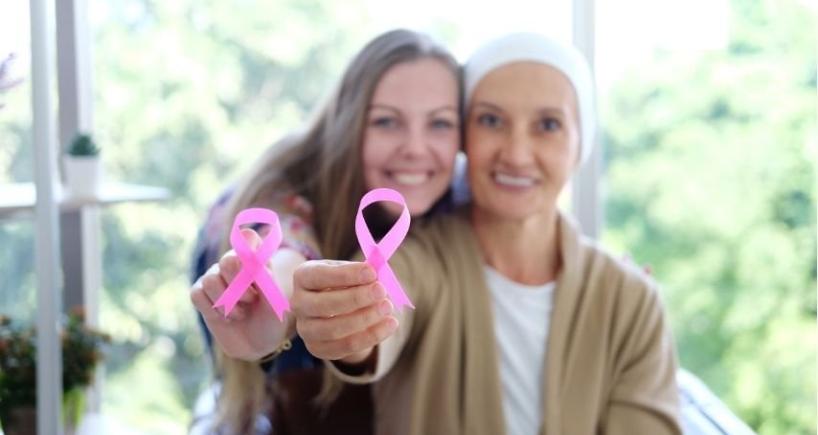


Life After HPV-Related Head and Neck Cancer - Survival and Long-Term Recovery
Medicine Made Simple Summary
Life after HPV-related head and neck cancer often involves a gradual return to normal activities with ongoing follow-up care. Survival rates are generally high, especially for HPV-positive vs HPV-negative cancer. Recovery focuses on healing from treatment, managing side effects, and rebuilding strength. Concerns about intimacy and sexual health are common and usually improve with time and reassurance. Long-term recovery includes regular checkups, attention to nutrition and speech or swallowing therapy when needed, and emotional support. Most patients go on to live full, active lives.
Understanding Survival and What “Cured” Really Means
Hearing the word “survivor” can feel strange after months of treatment. Many patients want to know what survival looks like in real terms. HPV-related head and neck cancer overview has one of the most favorable outlooks among head and neck cancers. Cure rates are high, especially when the disease is diagnosed early and treated appropriately.
Doctors often avoid saying “cured” immediately. Instead, they talk about remission and long-term control. This is because cancer follow-up focuses on watching for recurrence over time. For most patients, the risk of recurrence drops significantly after the first few years.
Key points about survival include
- HPV-positive cancers generally have better long-term outcomes
- Most recurrences, if they happen, occur within the first two to three years
- Regular follow-up visits are essential for early detection and reassurance
As time passes without signs of cancer, confidence grows and life gradually feels more normal again.
Physical Recovery After Treatment Ends
Treatment may finish on a specific date, but recovery continues well beyond that point. Many patients expect to feel better immediately and are surprised when healing takes weeks or months. This is normal.
Common physical issues during recovery may include fatigue, dry mouth, changes in taste, or swallowing discomfort. These symptoms often improve gradually rather than all at once.
Recovery often involves
- Regaining strength and stamina through gentle activity
- Working with speech and swallowing therapists when needed
- Adjusting diet to maintain nutrition during healing
- Managing dry mouth and dental care carefully
Most patients notice steady improvement over time. Patience is important, as the body needs time to heal from powerful treatments.
Sexual Health and Intimacy After HPV-Related Cancer
Concerns about sexual health are very common, but they are rarely discussed openly. Many patients worry about intimacy, attractiveness, or whether HPV-related cancer changes relationships.
HPV-related head and neck cancer itself does not make someone contagious. Cancer cannot be passed to a partner. By the time cancer is diagnosed, the original HPV infection usually occurred years earlier.
Common concerns include
- Fear of transmitting HPV to a partner
- Anxiety about physical closeness or kissing
- Changes in self-image after treatment
- Reduced desire due to fatigue or stress
Open communication is key. Most partners are supportive when given clear information. Intimacy often returns gradually as energy improves and anxiety decreases.
Emotional Recovery and Mental Health
The emotional impact of cancer does not end when treatment stops. Many patients feel a mix of relief and anxiety. Follow-up appointments can be stressful. Some people worry about every new ache or symptom.
Emotional recovery may include
- Fear of recurrence
- Changes in confidence or identity
- Mood swings or periods of sadness
- Difficulty adjusting back to daily routines
These feelings are common and valid. Support from family, friends, counselors, or survivor groups can be very helpful. Asking for help is a sign of strength, not weakness.
Returning to Work and Daily Life
Going back to work or regular routines is a major milestone. Some patients return quickly, while others need more time. Both are normal.
Factors that affect return to work include
- Type of work and physical demands
- Lingering fatigue or side effects
- Need for ongoing therapy or appointments
Gradual return plans often work best. Employers are usually understanding when expectations are clearly communicated.
Long-Term Side Effects and How They Are Managed
Some side effects may last longer or become permanent. These vary from person to person and depend on the type and intensity of treatment.
Possible long-term effects include
- Dry mouth or dental issues
- Swallowing changes
- Voice changes
- Neck stiffness
- Sensitivity to certain foods
Most of these can be managed with the right support. Regular dental care, hydration, exercises, and therapy play an important role in maintaining comfort and function.
Follow-Up Care and Monitoring
Follow-up care is a critical part of life after HPV head and neck cancer. These visits help detect recurrence early and address ongoing issues.
Follow-up typically includes
- Physical examinations of the head and neck
- Imaging when needed
- Monitoring nutrition and weight
- Addressing side effects or concerns
Over time, visits become less frequent. Many patients find reassurance in these appointments rather than fear.
Relationships and Social Life
Cancer can change relationships in unexpected ways. Some relationships grow stronger. Others may feel strained. Friends or family may not always know how to help.
Clear communication helps. Letting people know what kind of support you need reduces misunderstanding. Social life often improves as energy and confidence return.
Lifestyle After Cancer
Life after HPV-related head and neck cancer often includes a renewed focus on health. This does not mean drastic changes, but rather mindful habits.
Helpful lifestyle practices include
- Balanced nutrition
- Staying physically active within comfort limits
- Avoiding tobacco
- Limiting alcohol
- Keeping up with medical follow-up
These steps support overall well-being and recovery.
Addressing Fear of Recurrence
Fear of recurrence is one of the most common long-term concerns. It often fades with time but may resurface before checkups.
Learning what symptoms to watch for and which are harmless helps reduce anxiety. Most new symptoms are not cancer-related, but checking persistent changes is important.
Family Planning and Future Goals
Younger patients may worry about future plans, including relationships, parenting, or long-term goals. Many people go on to achieve everything they planned before diagnosis.
Cancer may change perspective, but it does not define the future.
A Realistic and Hopeful Outlook
Life after HPV-related head and neck cancer is a process, not a single moment. Recovery includes physical healing, emotional adjustment, and rebuilding confidence.
Most survivors describe a return to meaningful, active lives. The experience may change priorities, but it does not take away the ability to enjoy life.
Conclusion
If you are recovering from HPV-related head and neck cancer, stay engaged with your follow-up care and speak openly about physical, emotional, or relationship concerns. Support is available, and addressing issues early can greatly improve long-term quality of life.
Categories
Clear allMeet the doctor

- Oncology | Surgical Oncology | Head and Neck Oncosurgery
-
 15 Years
-

Related Blogs
View all










Keep track of your appointments, get updates & more!

