
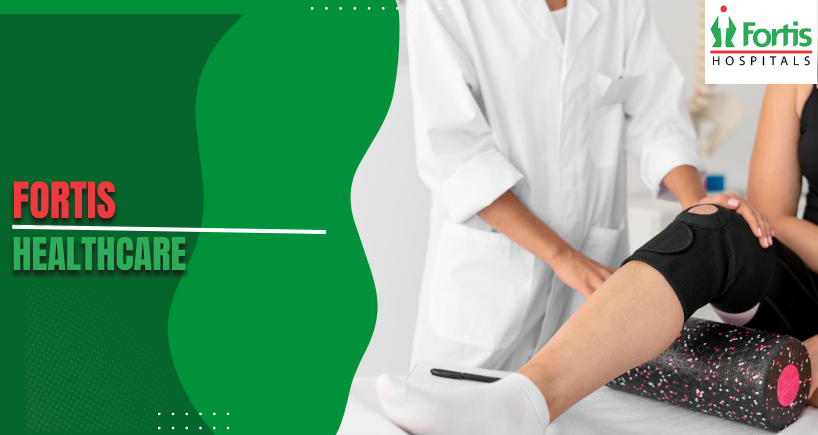


Life After Orthopaedic Surgery: A Practical Guide to Healing Right
Waking up beneath harsh hospital lights signifies your major structural repair is totally finished. Yet the absolute hardest physical challenge sits directly ahead of you today. Most families mistakenly believe surviving the anaesthesia phase was the highest hurdle. True healing takes immense daily physical grit.
Establishing uncompromising physical boundaries completely alters how your traumatised tissues rebuild themselves this month. Understanding the shifting parameters inside modern Orthopaedics immediately hands you a remarkably powerful psychological advantage. Without a highly accurate recovery roadmap, perfectly normal post-operative aches feel exactly like catastrophic medical failures.
Processing the Initial Inflammatory Healing Stage
Your nervous system treats fresh surgical incisions exactly like absolute biological emergencies. Blood rushes downward instantly. This targeted vascular response delivers specialised inflammatory cells directly into the gaping wound bed to begin microscopic repairs. This massive cellular traffic jam perfectly explains your profound afternoon exhaustion. Resting acts as active therapy.
Skipping your afternoon naps actively deprives regenerating muscles of the exact proteins they desperately require. The body needs deep sleep. Human bodies simply cannot synthesise these necessary microscopic building blocks while you stay entirely awake and moving. Fighting through this specific heavy tiredness actively delays your orthopaedic surgery recovery timeline significantly.
Safely Moving Swollen Joints After Discharge
Stagnant fluid pools heavily inside the damaged capsule while you lie still. You must move anyway. Structured routines force you to bend that severely swollen limb safely to prevent permanent stiffness. Keeping your leg totally straight allows thick internal scar tissue to harden permanently across the new joint. Moving hurts initially but ultimately saves your independence.
Dedicated physiotherapists isolate highly specific muscle groups without threatening your newly installed metal hardware. The clinical supervision protects your joints. Their carefully planned daily movements physically pump residual swelling straight out of your damaged leg. Committing fully to these deeply frustrating tiny exercises breaks down those restrictive internal adhesions perfectly every single day.
Matching Daily Nutrition With Cellular Demands
Bone consolidation demands nearly double your normal daily protein intake for several consecutive weeks. Rebuilding dense skeletal matrices requires massive amounts of raw nutritional fuel constantly. The body demands premium supplies. Failing to eat enough meat or legumes forces your starving system to slowly cannibalise healthy shoulder muscles instead.
Drinking plenty of water actively flushes lingering surgical medications out of your tired kidneys. Hydration fixes severe digestive slowdowns. It also prevents the severe constipation frequently caused by heavy post-operative pain management pills. Eating smaller, highly frequent meals keeps your energy completely stable during those exhausting physical therapy sessions.
Spotting Warning Signs Before Disasters Strike
Distinguishing between expected superficial bruising and a genuine medical crisis saves limbs daily. Look closely at the skin. Bright red patches expanding quickly past the bandage borders warrant an immediate emergency clinic visit before things worsen. Catching a tiny surface infection early protects the deep surgical implants entirely from catastrophic biological contamination.
Sudden high fevers usually indicate the immune system is battling an unexpected hidden invader. Do not ignore the thermometer. Specialists teach returning patients exactly how to track these subtle daily temperature shifts. Getting prompt clinical advice absolutely prevents minor wound issues from requiring a second complex surgery.
Rebuilding Lost Neural Connections Through Practice
Proprioception temporarily vanishes after surgeons stretch the major leg nerves during your complicated operation. Your brain literally forgets. It loses track of exactly where your reconstructed knee exists in physical space. Re-establishing this invisible neurological connection requires doing the exact same boring movements repeatedly until mindful concentration slowly rebuilds that damaged bridge.
Acknowledging tiny daily improvements keeps your mental motivation running incredibly high all month. Celebrate the small victories constantly. Progress never follows a perfectly straight upward line during heavy bone surgery rehabilitation at home. Expecting these temporary backward slides prevents deep psychological frustration entirely when you wake up feeling incredibly stiff.
Shielding New Hardware From Unnecessary Wear
Avoiding heavy lifting protects the new artificial surfaces from highly dangerous internal shear forces. Pick smarter daily activities. Swimming offers excellent cardiovascular resistance without slamming your vulnerable joints against hard concrete pavement. Building a thick muscular envelope around the knee acts like a biological shock absorber perfectly for decades.
Strong surrounding muscles literally extend your expensive implant's functional lifespan by several years. Routine X-rays give your clinical team undeniable visual proof that internal things remain perfectly stable. Doctors must confirm the titanium components are settling flawlessly into their permanent alignment without subtle shifting. Follow-up appointments protect your massive medical investment entirely.
Handling the Emotional Weight of Immobility
Sitting helplessly on the living room sofa triggers massive emotional fatigue for fiercely independent adults. Losing autonomy stings deeply. Watching family members struggle with your usual household chores generates profound internal guilt daily. Admitting this specific psychological anger exists helps you process the difficult temporary reality incredibly safely.
Writing down weekly functional goals provides tangible evidence that you are actually recovering physically. Documenting your steps works wonders. Looking at a written notebook completely destroys the terrifying illusion that absolutely nothing is improving. Seeing the documented extra distance you walked yesterday fuels the necessary internal drive for today.
Returning to Demanding Professional Work Environments
Busy office environments introduce wildly unpredictable physical stressors that your quiet living room lacks. You must plan ahead. Elevating your computer desk removes dangerous static pressure from your newly repaired hip joint. Easing slowly back into professional duties prevents your body from launching a massive defensive inflammatory attack.
Completing your daily stretches remains highly mandatory long after the surgeon discharges you officially. Never stop the morning exercises. An absolute absence of physical pain never means the internal connective tissues have reached maximum strength. Committing to permanent joint surgery care prevents totally avoidable mechanical breakdowns later in life.
Securing Long-Term Independence After Clinical Discharge
Moving mindfully today guarantees you stay perfectly independent tomorrow as you age normally. The surgical team successfully repaired your broken mechanics, but only you can rebuild the strength. Taking absolute ownership of your daily physical routines transforms a medical vulnerability into a lifelong functional asset. Recovery sits entirely in your hands now.
Discarding your walking aids too early frequently creates permanent limping habits that destroy your back. Trust the specific timelines provided by your therapy team rather than your own impatience. Healing correctly requires surrendering your immediate desire for speed to achieve a flawless permanent physical outcome. Slow down to heal perfectly.
Categories
Clear allRelated Blogs
View all



FAQs
What specific sleeping positions protect the healing limb overnight?
Propping your affected leg firmly upon solid cushions stops harmful inflammatory swelling from pooling dangerously.
Why do my reconstructed joints feel completely frozen every morning?
Inactivity during deep sleep allows thick bodily fluid to settle, creating immense temporary mechanical resistance inside.
When can patients safely resume driving personal vehicles to work?
You may drive once you can slam the emergency brakes hard without hesitating or feeling pain.
How long will the skin near the surgical bandages remain numb?
Severed superficial nerves require several long months to slowly reconnect and restore totally normal sensory feelings.
Who should patients contact if their calf suddenly hurts very badly?
Sudden severe lower calf pain dictates you must visit a local emergency room immediately regarding clots.

Keep track of your appointments, get updates & more!

