
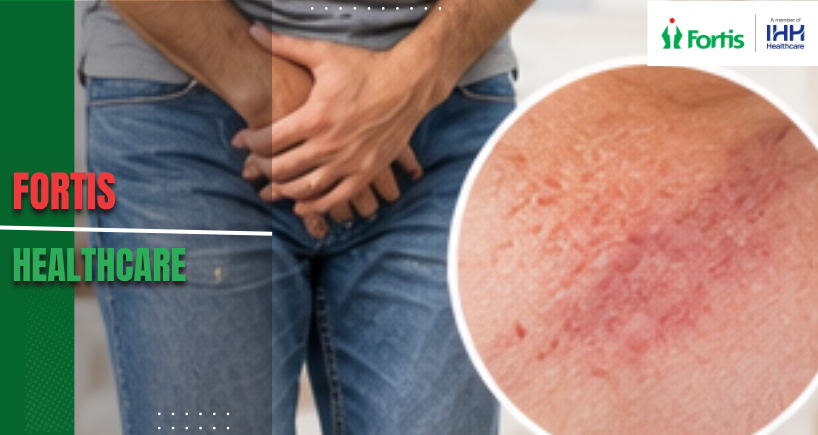


Male Intimate Itching - Common Causes Remedies and When to See a Doctor
Introduction
Male intimate itching is a surprisingly common concern that many men hesitate to discuss, yet it significantly impacts comfort, confidence, and quality of life. While often embarrassing to address, understanding the causes and effective remedies empowers you to resolve this issue confidently.
In most cases, intimate itching is manageable through lifestyle adjustments and natural remedies. However, knowing when professional medical care is necessary is equally important. This comprehensive guide explores common causes, evidence-based remedies, and clear indicators that professional consultation is warranted.
Understanding the Causes
Fungal Infections (Jock Itch)
Jock itch, caused by dermatophyte fungi like Trichophyton, is among the most common causes of male intimate itching.
How it develops:
- Warm, moist environment encourages fungal growth
- Often contracted from contaminated gym equipment or shared facilities
- Starts as small red patches, progressing to intense itching
- May develop ring-shaped appearance (characteristic "jock itch" pattern)
Risk factors:
- Excessive sweating
- Poor ventilation (tight clothing)
- Weakened immune function
- Use of antibiotics (reduces bacterial competition)
- Poor hygiene in high-moisture environments
Timeline: Fungal infections develop over days to weeks; without treatment, persist indefinitely.
Bacterial Infections
Bacterial overgrowth, while less common than fungal, causes significant itching:
Causes:
- Reduced local immunity
- Poor hygiene practices
- Excessive moisture from sweat or urine retention
- Use of antibiotics eliminating helpful bacteria
Characteristics:
- Appears suddenly
- Often accompanied by discharge or odor
- Creates red, inflamed appearance
- Worse with sweating or friction
Contact Dermatitis
Allergic reactions to personal care products cause surprisingly frequent intimate itching:
Common triggers:
- Scented soaps and body washes (especially fragrances)
- Laundry detergents (especially heavily perfumed varieties)
- Fabric softeners and dryer sheets
- Spermicides and lubricants
- Latex condoms
Characteristics:
- Itching appears after new product introduction
- Often accompanied by redness or mild swelling
- May involve entire area or specific pattern
- Resolves when triggering product is eliminated
Poor Hygiene and Moisture
Sometimes, itching results from preventable hygiene and moisture issues:
Contributing factors:
- Insufficient drying after bathing
- Sweat retention from tight clothing
- Urine retained in foreskin (uncircumcised men)
- Infrequent bathing or showering
- Wearing damp clothing
Solution: Improved hygiene practices often resolve itching within days.
Phimosis and Foreskin Issues
For uncircumcised men, tight foreskin (phimosis) creates moisture retention and itching:
How it occurs:
- Foreskin cannot retract fully, trapping moisture
- Creates ideal environment for fungal/bacterial growth
- Poor hygiene difficult with limited retraction
- Urine and sweat accumulate
Management: Gentle foreskin stretching (over months) or medical intervention if severe.
Dermatitis and Eczema
Pre-existing skin conditions may affect the intimate area:
Characteristics:
- Often accompanied by dry skin elsewhere
- May have family history of eczema
- Produces intense itching and potential cracking
- Worsens with certain soaps or detergents
Stress and Psychological Factors
Interestingly, stress and anxiety can manifest as intimate itching through:
- Immune system suppression
- Increased sweat production
- Heightened nerve sensitivity
- Unconscious scratching habits
Natural Remedies and Home Care
1. Maintain Proper Hygiene
Daily routine:
- Wash with warm water and mild, unscented soap
- Dry thoroughly, especially between skin folds
- Change underwear if damp from sweat
- Avoid excessive washing (strips protective oils)
For uncircumcised men:
- Gently retract foreskin and rinse with warm water
- Pat dry carefully
- Ensure complete drying before retracting
2. Moisture Management
Reduce environmental moisture:
- Wear breathable cotton underwear (avoid synthetic fabrics)
- Change out of sweaty clothing immediately
- Avoid prolonged sitting in moist environments
- Sleep without underwear to allow air circulation
- Use moisture-wicking athletic clothing during exercise
Anti-moisture products:
- Antifungal powder (miconazole or tolnaftate-based)
- Apply to clean, dry skin, 1-2 times daily
- Prevents fungal growth through drying action
3. Apple Cider Vinegar Soaks
Application:
- Mix equal parts apple cider vinegar and water
- Soak affected area for 10-15 minutes, twice daily
- Dry thoroughly afterward
Why it works: Apple cider vinegar's acidity inhibits fungal and bacterial growth while reducing inflammation.
4. Coconut Oil Application
Method:
- Apply virgin coconut oil (1-2 tablespoons) after cleansing
- Allow to dry on skin (or wear loose clothing)
- Apply 2-3 times daily
Mechanism: Coconut oil's lauric acid and antimicrobial compounds combat fungal and bacterial infections while soothing irritation.
5. Tea Tree Oil (Diluted)
Preparation:
- Mix 2-3 drops tea tree oil with 1 tablespoon coconut oil
- Apply to affected area twice daily
- Never use undiluted (causes irritation)
Efficacy: Tea tree oil's terpineol content powerfully inhibits fungi and bacteria.
6. Turmeric Paste
Simple preparation:
- Mix 1/2 teaspoon turmeric powder with coconut oil
- Apply to affected area, 1-2 times daily
- Allow 15-30 minutes before dressing
Benefits: Turmeric's curcumin reduces inflammation and possesses antimicrobial properties.
7. Aloe Vera Gel
Application:
- Apply pure aloe vera gel (not commercial lotions) to affected area
- Reapply 2-3 times daily as needed
- Soothing for irritation and redness
Mechanism: Aloe's polysaccharides reduce inflammation and promote healing.
When to See a Doctor
Seek Medical Attention If:
Immediate concern:
- Symptoms accompanied by fever or chills
- Significant swelling, warmth, or pus
- Unable to urinate or extreme urinary pain
- Symptoms severely interfering with daily function
Within 1-2 weeks:
- Itching persists beyond 1-2 weeks despite home treatment
- Symptoms worsen or spread
- Symptoms reappear after treatment
- Accompanied by discharge with foul odor
- Accompanied by painful urination or penile pain
Preventive screening:
- Recurrent intimate itching (more than 2-3 times yearly)
- Itching accompanied by other symptoms
- Uncertain about the cause
What to Expect at Medical Visit
Examination:
- Visual inspection of affected area
- Possible microscopic or culture testing
- Assessment of severity and extent
Potential treatments:
- Antifungal creams (miconazole, terbinafine, tolnaftate)
- Oral antifungal medications (fluconazole) for serious infections
- Antibiotics for bacterial infections
- Topical corticosteroids for inflammation (short-term only)
- Referral to dermatologist if complex
Diagnosis clarification:
- Fungal culture testing if uncertain
- Allergy patch testing if contact dermatitis suspected
- STI screening if risk factors present
Prevention Strategies
Lifestyle Modifications
Exercise and activity:
- Change out of sweaty clothes immediately
- Shower and dry thoroughly after exercise
- Wear moisture-wicking athletic underwear
Clothing choices:
- Prefer cotton underwear over synthetic fabrics
- Avoid excessively tight clothing
- Ensure breathable fabric choices
- Change underwear if damp
Hygiene practices:
- Wash hands before and after bathroom use
- Urinate after sexual activity
- Clean properly after bowel movements
- Maintain fingernails short to reduce scratch damage
Product Selection
Choose carefully:
- Unscented or hypoallergenic soaps
- Fragrance-free laundry detergent
- Avoid fabric softeners and dryer sheets
- Select hypoallergenic condoms if latex sensitivity
Avoid problematic products:
- Heavily perfumed personal care items
- Douches or intimate washes (disrupt natural balance)
- Spermicides if sensitivity present
Sexual Health
- Maintain monogamous relationships or practice safe sex
- Discuss any intimate itching with sexual partners
- Ensure partner treatment if fungal infection (prevents reinfection)
- Use protection if concerned about STI transmission
When It's Not Just Itching
Seek immediate medical attention if itching accompanies:
- Systemic symptoms (fever, fatigue, body aches)
- Severe swelling or inability to function normally
- Discharge suggesting serious infection
- Persistent symptoms despite treatment
- Symptoms interfering with urination or sexual function
These signs may indicate more serious conditions requiring professional diagnosis and treatment.
Conclusion
Male intimate itching, while uncomfortable and sometimes embarrassing, is highly manageable through understanding its causes and implementing appropriate remedies. Most cases resolve within 1-2 weeks through improved hygiene, moisture management, and natural treatments.
However, recognizing when professional help is necessary ensures serious conditions receive appropriate care. If home remedies don't resolve symptoms within 1-2 weeks, symptoms worsen, or you're uncertain about the cause, consulting a healthcare provider ensures proper diagnosis and effective treatment.
Your comfort matters. Don't hesitate to address this concern—it's a common issue that professionals handle regularly and can quickly resolve with proper guidance.
Categories
Clear allMeet the doctor

- Dermatology | Dermatology
-
 23 Years
-
 1450
1450
Related Blogs
View all
Viral Ear Infection : Causes, Symptoms and Treatment Option


Hyperhidrosis: Types, Symptoms, Causes, and Treatment | Fortis Healthcare

COVID-19 related hair loss and hearing problems: How to deal with the after effects of cor...


FAQs

Keep track of your appointments, get updates & more!

