


Managing Post TAVR Complications What Patients Must Know
Heart valve disease often progresses quietly until breathing feels heavier than it should, simple walks become tiring, or the heartbeat feels louder than normal. For many patients, the TAVR procedure offers a way to replace a narrowed aortic valve without open chest surgery. It is less invasive, recovery tends to be quicker, and most people go home sooner than they expect. But every medical treatment, even a successful one, comes with a recovery phase where the body adjusts. Understanding what to expect after TAVR can make the journey smoother, safer, and less frightening.
We will walk through what happens in the days and weeks after surgery, the common issues that may appear, warning signs worth paying attention to, and the steps that usually support healthy recovery. Nothing dramatic or overly complicated. Just clear information, the kind patients often wish they had heard earlier.
A Quick Look at What TAVR Really Is
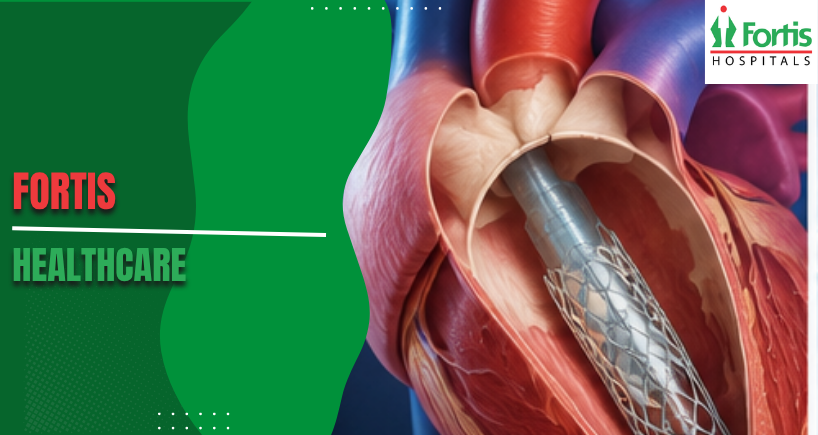
TAVR stands for Transcatheter Aortic Valve Replacement. Unlike open heart valve replacement, this TAVR surgery places a new valve inside the old one using a thin catheter, usually through the groin or sometimes through another artery. The diseased valve stays in place, but the new one expands like a frame and takes over the job of blood flow. It improves breathing capacity, reduces chest pain, and allows patients to move with less strain.
Most people think recovery ends once the device is placed, but the healing period is just as important. The heart adjusts, blood pressure stabilises, and physical capacity rises slowly rather than instantly. Patients often feel relieved within days, though tiredness and mild discomfort still occur naturally.
What Happens Right After the Procedure
Hospital monitoring usually continues for one to two days. Doctors watch rhythm stability, kidney function, oxygen levels and the puncture site. Some patients walk within 24 hours, which surprises them. But there is a reason for this early movement — it reduces clots, supports breathing and encourages circulation.
After discharge, recovery continues at home. Family members often ask what to look for, what is normal and what might need medical attention. Here is a structured list that helps:
Normal early recovery experiences
- Mild chest tightness or fatigue
- Bruising near groin puncture site
- Slight swelling in legs
- Slower stamina for a few weeks
- Light breathlessness during initial walks
Symptoms that need immediate medical review
- Sudden chest pain
- Shortness of breath that worsens
- Dizziness or fainting episodes
- Rapid or irregular heartbeat
- Fever or discharge at access site
- Sudden weakness on one side
Most patients never experience serious complications, but knowing these signs prevents delay if something does occur. Prevention and awareness work better than worry.
The Most Common Post TAVR Complications
Not all complications are dangerous, but they do require timely attention and follow up.
Atrial Fibrillation and Rhythm Changes
The heart sometimes beats irregularly after valve implantation. Many times it settles naturally over weeks.
Watch for
- Fast fluttering heartbeat
- Fatigue more than usual
- Dizziness during standing
Medications may be prescribed to stabilise rhythm and prevent clot formation.
Vascular Access Site Problems
Because TAVR uses arteries, bruising or swelling at the entry point is expected. Rarely, bleeding or clotting may form.
Useful care habits
- Avoid lifting heavy objects for a short duration
- Keep puncture site clean and dry
- Report sudden swelling promptly
Valve Leakage (Paravalvular Regurgitation)
Sometimes a small space allows blood flow around the new valve instead of through it. Most leaks are mild and monitored rather than treated immediately.
Doctors evaluate with echocardiography during follow up visits. Moderately severe leaks require attention, but early intervention controls them well.
Kidney Function Changes
Older patients sometimes experience temporary kidney stress post procedure. Hydration and medication monitoring help resolve it.
How Long TAVR Procedure Recovery Really Takes
Despite being less invasive than open heart surgery, recovery still needs time. Most people feel improvement after two to four weeks, though strength builds over months. A neat way to visualise it is:
Time Frame
What Patients Commonly Experience
Week 1–2
Fatigue gradually reduces, short walks possible
Week 3–5
Breathing improves, stamina increases
Month 2–3
Most resume routine lifestyle gently
Beyond 3 Months
Exercise and daily activity expand comfortably
People often ask if the heart feels “normal” again. It does for many, though progression is paced. Rushing can exhaust the body, so recovery works better when taken patiently.
Everyday Habits That Support Recovery
Simple actions sometimes do more than medicines alone.
Recommended aftercare
- Walk daily, increasing distance slowly
- Monitor blood pressure regularly
- Eat heart friendly meals with controlled salt
- Take medicines exactly as advised
- Maintain follow up schedule
- Report new or unusual symptoms early
What to avoid initially
- Heavy lifting
- Long hours without movement
- Unregulated supplements
- Smoking or alcohol excess
Recovery has no shortcut. The heart needs rhythm, rest, nutrition, movement, and monitoring — all in balance.
Returning to Life After TAVR
Many patients return to work or recreational activities once stamina grows. Some feel a steady improvement without noticing it, until one day they climb stairs without stopping halfway. Breath that once felt heavy becomes effortless again.
Sexual activity, travel, and long distance movement are usually safe after doctor approval. Cardiac rehab can improve endurance for those who feel slow progress. Emotional adjustment also matters. Living with a heart condition can cause fear, so reassurance from specialists helps restore confidence.
It is natural for family members to worry, but education makes this less stressful. When everyone knows what to expect, recovery becomes smoother.
When to See the Doctor Again
Regular checkups after TAVR are not optional. They protect results and detect problems early. You might be asked for an echo, ECG, and routine blood pressure review periodically.
Seek immediate attention if symptoms escalate suddenly. Even small warnings deserve respect when the heart is involved.
If you wish to learn about post procedure care, follow up rhythm management or valve performance review, consultation is available at Hospital where cardiac specialists guide recovery and complication prevention after the TAVR procedure.
Categories
Clear allRelated Blogs
View all







FAQs

Keep track of your appointments, get updates & more!

