
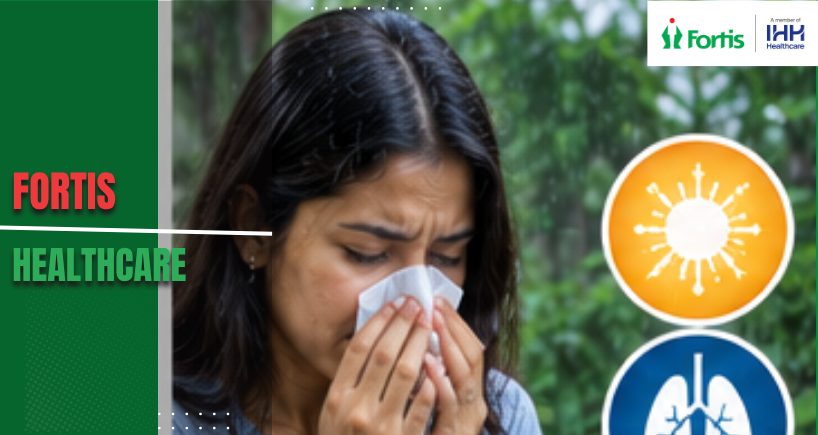


Monsoon Allergies in Bengaluru - Why Sneezing and Asthma Flare Up
If you dread Bengaluru's monsoon season because of constant sneezing, itchy eyes, and breathing difficulties, you're not alone. Thousands of Bengaluru residents experience allergy flare-ups during monsoon months, turning the rain-soaked weather into a season of misery. Understanding why monsoon triggers allergies and asthma is the first step toward protecting your respiratory health.
This comprehensive guide explains monsoon allergy mechanisms in Bengaluru's unique climate and provides practical strategies for managing symptoms effectively.
Why Monsoon Season Triggers Allergies in Bengaluru
Bengaluru's monsoon climate creates perfect conditions for allergy development. Several environmental factors combine to intensify allergic reactions.
Increased Humidity
Monsoon humidity in Bengaluru reaches 80-95%, creating ideal breeding grounds for allergens. Dust mites, mold spores, and fungal organisms thrive in moist environments, multiplying exponentially. Higher allergen concentrations mean increased allergic responses even in people with mild sensitivities.
Mold Growth and Spores
The moisture and darkness of monsoon season activate mold growth in homes, offices, and outdoor environments throughout Bengaluru. Mold spores become airborne, causing respiratory irritation and allergic reactions. Basements, bathrooms, and poorly ventilated spaces develop heavy mold colonization.
Unlike seasonal allergies that disappear when environmental conditions change, mold allergies in monsoon persist throughout rainy months as long as moisture remains.
Air Quality Deterioration
Despite rain clearing some air pollutants, monsoon season often brings worse air quality in Bengaluru. Stagnant air patterns trap pollutants, allergens accumulate near ground level, and waterlogged soil releases spores. This combination creates highly allergenic air quality affecting sensitive individuals severely.
Allergenic Pollen Patterns
Certain plants produce pollen primarily during monsoon season in Bengaluru. Grass pollination increases, tree pollen remains elevated, and weed pollen concentrations spike. These seasonal allergens trigger allergic rhinitis in susceptible populations.
Dust Mite Proliferation
Dust mites thrive in bedding, carpets, and upholstered furniture during humid monsoon months. Their fecal matter contains potent allergens triggering sneezing, itching, and respiratory symptoms. Monsoon humidity creates population explosions of dust mites.
Common Monsoon Allergies in Bengaluru
Allergic Rhinitis (Hay Fever)
Allergic rhinitis causes persistent sneezing, nasal congestion, runny nose, and post-nasal drip during Bengaluru's monsoon. Symptoms worsen at night when allergen concentrations in bedrooms increase. The condition affects sleep quality, work productivity, and overall quality of life.
Many Bengaluru residents mistake allergic rhinitis for common cold, not realizing seasonal patterns indicate allergies requiring specific management.
Asthma Exacerbation
Monsoon season triggers asthma attacks in Bengaluru residents with pre-existing asthma. Increased allergen exposure, air quality changes, and temperature fluctuations all act as asthma triggers. Symptoms include wheezing, shortness of breath, chest tightness, and coughing.
Some Bengaluru residents develop asthma for the first time during monsoon season without realizing environmental factors cause their symptoms.
Mold Allergy
Specific mold species predominate during Bengaluru's monsoon season. Aspergillus, Penicillium, and Alternaria species release massive spore loads into the air. Mold allergies cause sneezing, congestion, itchy eyes, and respiratory symptoms potentially progressing to serious infections in susceptible individuals.
Dust Mite Allergy
Monsoon humidity allows dust mite populations to explode. These microscopic arthropods live in bedding and trigger symptoms through allergen-laden fecal matter. Dust mite allergies in monsoon cause nighttime symptoms, morning congestion, and difficulty breathing while lying down.
Fungal Infections Mimicking Allergies
Beyond true allergies, monsoon season in Bengaluru enables fungal skin infections and respiratory fungal infections. Conditions like fungal sinusitis or aspergillosis can present with allergy-like symptoms, requiring different treatment approaches.
How Allergic Responses Develop During Monsoon
When monsoon allergens contact mucous membranes, the immune system recognizes them as threats and releases histamine. This chemical causes the characteristic sneezing, itching, congestion, and inflammation comprising allergic symptoms.
In asthmatic individuals, allergen exposure triggers bronchial smooth muscle contraction, reducing airway diameter and restricting airflow. This leads to wheezing and shortness of breath.
Understanding this mechanism helps explain why monsoon seasons specifically trigger symptoms in Bengaluru residents.
Recognizing Monsoon Allergy Symptoms
Allergic Rhinitis Symptoms
- Persistent sneezing (multiple times per episode)
- Nasal congestion without nasal discharge
- Clear, watery nasal discharge
- Itching in nose, throat, and eyes
- Post-nasal drip causing cough
- Fatigue from poor sleep quality
Asthma Symptoms
- Wheezing during breathing
- Shortness of breath with minimal exertion
- Chest tightness or heaviness
- Persistent dry cough (especially at night)
- Difficulty with exercise or physical activity
Mold Allergy Symptoms
- Sneezing and congestion
- Itchy, watery eyes
- Headaches and facial pressure
- Cough and throat clearing
- Fatigue and difficulty concentrating
Distinguish between common cold and allergies by observing symptom duration. Colds typically last 7-10 days; allergies persist throughout monsoon season.
Prevention Strategies for Monsoon Allergies in Bengaluru
Environmental Controls
- Reduce indoor allergens through frequent cleaning, HEPA vacuuming, and damp dusting. These methods capture allergens before they become airborne.
- Control humidity using dehumidifiers maintaining indoor humidity below 50%. This prevents mold growth and dust mite proliferation.
- Improve ventilation in bedrooms, bathrooms, and kitchens. Proper airflow prevents allergen accumulation and mold growth.
- Clean air conditioning filters regularly, as they accumulate allergens and mold quickly in monsoon moisture.
- Wash bedding weekly in hot water to eliminate dust mites and allergens.
Personal Hygiene
- Shower after outdoor activities to remove pollen and spores from hair and skin.
- Change clothes worn outdoors to prevent allergen transfer to living spaces.
- Rinse nasal passages with saline solution to remove inhaled allergens mechanically.
- Keep windows closed during high pollen count days.
Medical Management
- Consult allergists for proper diagnosis and personalized treatment plans. Professional guidance improves symptom control significantly.
- Use antihistamines for mild to moderate symptoms. Non-drowsy options allow daytime use without productivity impacts.
- Employ nasal corticosteroids for nasal congestion and sneezing. These address inflammation rather than just masking symptoms.
- Consider allergy testing to identify specific monsoon allergens triggering your symptoms.
- Use inhalers as prescribed if asthma accompanies allergies. Controller medications prevent attacks rather than just treating symptoms.
Lifestyle Modifications During Monsoon
- Plan outdoor activities for early morning or late evening when pollen counts are lower.
- Wear protective eyeglasses to shield eyes from airborne allergens.
- Use air purifiers with HEPA filters in bedrooms for allergen-free sleep environments.
- Avoid line-drying clothes where they accumulate airborne allergens.
- Keep car windows closed while driving, using air conditioning with clean filters.
When to Seek Medical Help
Consult healthcare providers if:
- Over-the-counter medications don't control symptoms adequately.
- Asthma symptoms include wheezing or shortness of breath.
- Symptoms severely affect daily activities or sleep quality.
- You develop signs of sinus infection (facial pain, thick yellow discharge).
- Symptoms persist beyond monsoon season.
Long-Term Allergy Management
Monsoon allergies require year-round management strategies.
- Start preventive medications two weeks before monsoon season arrives.
- Maintain environmental controls consistently throughout rainy months.
- Track symptom patterns to identify specific triggers affecting you.
- Follow healthcare provider guidance regarding medication timing and usage.
Conclusion: Reclaim Your Monsoon Season
Monsoon allergies don't have to derail Bengaluru residents' quality of life. Understanding environmental triggers, implementing prevention strategies, and utilizing appropriate medical treatments allow you to enjoy monsoon season without constant sneezing and asthma attacks.
Take control of your allergies this monsoon. Identify your specific triggers, establish prevention routines, and consult healthcare providers about personalized treatment plans. Your respiratory health and quality of life are worth the effort.
effectiveness.
Categories
Clear allMeet the doctor

- Gastroenterology and Hepatobiliary Sciences | Gastroenterology | Gastroenterology and Hepatobiliary Sciences
-
 5 Years
-
 1250
1250
Related Blogs
View all
When Is A Liver Transplant Recommended?

Alcoholic Liver Disease - Why Worry?

Binge Drinking Trend Is The New Silent Killer



Irritable Bowel Syndrome

Digestive Disorders And Prevention



FAQs
Why do allergies worsen specifically during Bengaluru monsoon season?
Monsoon humidity creates ideal conditions for mold growth, dust mite proliferation, and allergen accumulation, intensifying allergic reactions.
Can monsoon allergies develop into asthma if left untreated?
Untreated monsoon allergies can trigger asthma symptoms; existing asthma definitely worsens during monsoon without preventive management.
What's the most effective way to reduce indoor mold during Bengaluru monsoon?
Maintain indoor humidity below 50% using dehumidifiers, improve ventilation, and clean surfaces regularly to prevent mold colonization.

Keep track of your appointments, get updates & more!

