



Monsoon diseases in Delhi - what families should watch for
Every monsoon, Delhi's hospitals see the same wave arrive: fevers, stomach upsets and rashes that build through July and August. The mix of waterlogging, stored water and dense living gives mosquitoes and waterborne germs an ideal run — and the city's own data shows the pattern repeat year after year.
The reassuring part is that most of these illnesses are preventable, and the dangerous ones are catchable early if you know what to watch for. Here's a family-friendly guide to Delhi's monsoon diseases and the signs that mean it's time to see a doctor.
Quick takeaways
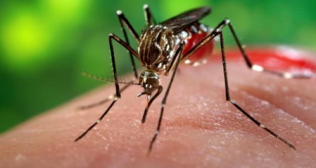
Delhi's monsoon brings a predictable mix: mosquito-borne (dengue, malaria, chikungunya), water-borne (typhoid, hepatitis A/E, diarrhoea, cholera), leptospirosis after wading, and viral fevers.
Cases usually build from July and peak between August and October, so prevention now matters most.
Standing water in coolers, pots and tyres is the main dengue breeding source at home — a weekly 'dry day' helps.
Any fever lasting beyond 2–3 days, or warning signs, needs prompt review — several monsoon fevers look alike early on.
Why Delhi sees a monsoon surge every year
When the rains overwhelm drains, water collects in coolers, pots, tanks, tyres and low-lying streets. Mosquitoes breed in the clean, stagnant pockets, while contaminated water and waterlogging spread stomach infections and leptospirosis.
The Municipal Corporation of Delhi (MCD) tracks vector-borne cases weekly, and historically the highest dengue counts land in August, September and October. That means the weeks before the peak are when prevention pays off most.
Several monsoon fevers look the same early on
Dengue, malaria, typhoid and leptospirosis can all begin as 'just a fever' with body aches — which is exactly why self-diagnosis is unreliable in this season. Leptospirosis in particular is often mistaken for an ordinary viral fever, and is easy to miss unless recent floodwater contact is mentioned.
If you've waded through waterlogged streets and then developed a fever, tell your doctor — that single detail can change which tests are ordered. Timely testing is how the treatable causes get treated correctly.
What families can do at home
- Keep a weekly 'dry day': empty, scrub and dry coolers, pots and containers so mosquito eggs can't survive.
- Cover overhead tanks and stored water, and clear tyres, trays and junk that collect rain.
- Use nets or screens, and mosquito repellents, especially in the early morning and late afternoon.
- Drink only boiled, filtered or sealed water; eat freshly cooked hot food and avoid street cut-fruit and cold drinks.
- Change out of wet clothes and footwear promptly, and avoid walking barefoot through waterlogged areas.
Protecting the more vulnerable members of the family
Children, older adults, pregnant women and people with diabetes tend to be hit harder by monsoon illness and can slip into complications faster. They deserve extra care — stricter food and water hygiene, prompt attention to any fever, and a lower threshold to see a doctor.
The Fortis monsoon cluster has dedicated guides for each of these groups; use them alongside this overview for age- and condition-specific advice.
Delhi's 2026 season so far — in context
As of the latest official figures up to June 2026, Delhi had reported a few hundred dengue cases and smaller numbers of malaria and chikungunya, with no dengue or malaria deaths recorded at that point. Leptospirosis was also being tracked, with a couple of hundred cases reported.
Because Delhi's peak falls in August–October, these mid-season numbers are expected to rise. Treat them as a reason to act early rather than a sign the season will be mild. (Figures change weekly — check the current MCD report for the latest.)
Warning signs that need a doctor
- Fever lasting more than 2–3 days, or a very high fever.
- Dengue warning signs: severe abdominal pain, persistent vomiting, bleeding, drowsiness or fast breathing.
- Yellowing of the eyes or skin (possible hepatitis).
- Signs of dehydration: very little urine, dizziness, dry mouth, weakness.
- Fever with muscle aches or red eyes after wading through floodwater.
- Any fever with breathlessness, confusion, or a rash that looks unwell — and any fever in a baby, older adult, pregnant woman or person with diabetes.
Categories
Clear allRelated Blogs
View all




FAQs

Keep track of your appointments, get updates & more!

