
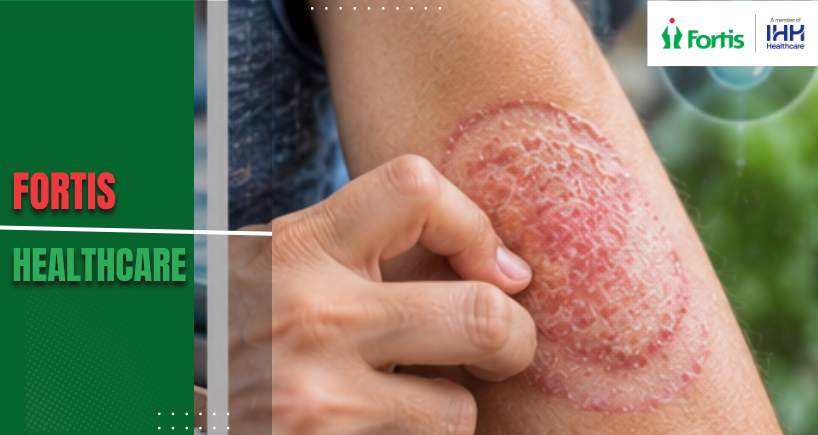


Monsoon Skin Infections -How Humidity Triggers Fungal Growth
Persistent rain doesn't just soak your clothes and shoes — it creates the exact warm, moist environment that fungi love to thrive in. This is why monsoon skin infections are so common during the rainy season, often showing up as itchy, red, or scaly patches in areas that stay damp the longest. Understanding how humidity fuels fungal skin infection can help you catch it early and treat it before it spreads.
This guide covers how a fungal skin infection develops during monsoon, effective fungal infection treatment options, and how to protect your skin through the season, an area that falls squarely under dermatology.
Why Monsoon Humidity Triggers Fungal Growth
Fungi that cause skin infections thrive in warm, moist, dark environments — exactly what monsoon weather provides. Several factors combine to create this ideal breeding ground:
- Prolonged skin moisture — Wet clothes, damp shoes, and sweat that doesn't evaporate properly in humid air keep skin moist for extended periods.
- Reduced air circulation — Skin folds, feet inside closed shoes, and areas covered by wet clothing trap moisture against the skin.
- Increased sweating — Humidity often increases perspiration even without physical exertion, adding to the dampness.
- Shared contact surfaces — Public showers, gyms, and shared footwear become more likely to harbor fungal spores when environments stay damp longer.
These conditions explain why skin infections in rainy season cluster around specific body areas: feet, groin, underarms, and skin folds — anywhere moisture tends to linger.
Common Types of Fungal Skin Infections During Monsoon
Monsoon skin infections typically fall into a few recognizable categories:
Athlete's Foot (Tinea Pedis)
Appears between the toes and on the soles, causing itching, peeling, and sometimes a burning sensation. Damp shoes and socks are the biggest contributing factor.
Ringworm (Tinea Corporis)
Presents as a circular, red, scaly patch with a clearer center, often on the arms, legs, or torso. It's contagious and can spread through direct contact or shared clothing.
Jock Itch (Tinea Cruris)
Affects the groin and inner thighs, causing redness, itching, and a rash that worsens with friction and sweat — common in humid weather.
Candidiasis
A yeast infection that thrives in warm, moist skin folds, such as underarms, under the breasts, or in the groin area, often appearing as red, irritated patches.
Recognizing a Fungal Skin Infection Early
Common signs of a fungal skin infection include:
- Itchy, red, or scaly patches on the skin
- A rash with a defined, often circular border
- Peeling or cracking skin, especially between toes
- A burning or stinging sensation
- Small blisters in some cases
- Patches that gradually expand if left untreated
Catching these signs early makes treatment faster and prevents the infection from spreading to other body areas or to family members through shared towels and clothing.
Fungal Infection Treatment Options
Fungal infection treatment typically starts with topical options and escalates only if needed:
- Antifungal creams or powders — Over-the-counter options containing clotrimazole, terbinafine, or miconazole are effective for most mild cases when applied consistently for the full recommended duration.
- Keeping the area dry — Treatment works much better when the affected area is kept clean and dry, since fungi thrive on moisture.
- Oral antifungal medication — For widespread, stubborn, or recurrent infections, a doctor may prescribe oral antifungal treatment.
- Completing the full treatment course — Stopping treatment early, even after symptoms improve, is one of the most common reasons fungal infections recur.
- Treating shared items — Washing and thoroughly drying towels, socks, and clothing helps prevent reinfection or spreading the infection to others.
Most mild fungal skin infections improve within 1–2 weeks with consistent topical treatment, though some, like athlete's foot, can take longer to fully clear.
Preventing Skin Infections in Rainy Season
Preventing skin infections in rainy season comes down to reducing prolonged moisture on the skin:
- Dry your body thoroughly, especially between toes and skin folds, after bathing or getting caught in rain
- Change out of wet clothes and socks as soon as possible
- Choose breathable fabrics and well-ventilated footwear during monsoon
- Use antifungal powder in areas prone to sweating, like feet and groin
- Avoid sharing towels, socks, or footwear with others
- Keep nails trimmed and clean, since fungi can also affect nails in humid conditions
When to See a Dermatologist
While most fungal skin infections respond well to over-the-counter treatment, it's worth consulting a dermatology specialist if:
- The infection doesn't improve after 2 weeks of consistent treatment
- The rash spreads rapidly or covers a large area
- You experience recurrent infections despite good hygiene
- Signs of a bacterial infection appear alongside the fungal rash, such as pus, significant swelling, or fever
A dermatologist can confirm the diagnosis and, if needed, prescribe stronger treatment for persistent cases.
Final Thoughts
Monsoon humidity creates near-perfect conditions for fungal skin infections, but simple habits — staying dry, wearing breathable fabrics, and treating symptoms early — go a long way in preventing them. If a rash doesn't respond to basic antifungal treatment within a couple of weeks, don't hesitate to get it checked, since early intervention keeps these infections from becoming a recurring monsoon problem.
Categories
Clear allMeet the doctor

- Gastroenterology and Hepatobiliary Sciences | Gastroenterology | Gastroenterology and Hepatobiliary Sciences
-
 5 Years
-
 1250
1250
Related Blogs
View all
When Is A Liver Transplant Recommended?

Alcoholic Liver Disease - Why Worry?

Binge Drinking Trend Is The New Silent Killer



Irritable Bowel Syndrome

Digestive Disorders And Prevention



FAQs

Keep track of your appointments, get updates & more!

