


Myths you should know about Coronary Artery Bypass Grafting (CABG)
HEART MUSCLE BLOOD SUPPLY
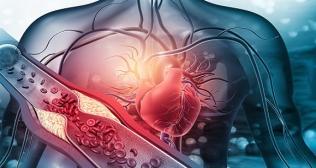
Heart muscle receives its blood supply through a pair of coronary arteries. With advancing age, these arteries become stiff and there is deposition of fatty material in the walls of the arteries. When these changes are excessive and abnormal, the lumen of the artery is blocked, and blood flow is reduced. As a result, blood supply to the heart muscles is impaired. This may present with angina or heart attack.
RISK FACTORS FOR CORONARY ARTERY DISEASE
No definite cause is known. However, a number of risk factors are related to development and progression of coronary artery disease. Non modifiable risk factors cannot be changed by a person and include male gender, old age, and history of coronary artery disease in parents or siblings. Modifiable risk factors are related to personal habits and lifestyle and can be modified. Modifiable risk factors include tobacco consumption, high blood pressure, diabetes, increased fats in blood, stress, obesity, and lack of exercise.
TREATMENT APPROACH
The treatment aims at reducing the progression of disease and increasing the blood supply to heart muscles. Decrease in the rate of progression of coronary artery disease is achieved by modifying the risk factors and changing the lifestyle. In addition, some drugs are also used to reduce stickiness of blood, reduce fat levels in blood, decrease workload on heart, and for treatment of associated conditions like diabetes and high blood pressure.
WAYS TO INCREASE BLOOD SUPPLY TO THE HEART
Another important aspect in management of CAD is to Increase the blood supply to the heart muscles. There are 2 ways by which blood supply to the heart muscles can be increased:
ANGIOPLASTY
Angioplasty - In angioplasty, a balloon catheter is passed into the diseased coronary artery across the blockage and the balloon is inflated. This opens up the diseased vessel. A metallic scaffolding (stent) is inserted to prevent recurrence of blockage.
CORONARY ARTERY BYPASS GRAFTING (CABG)
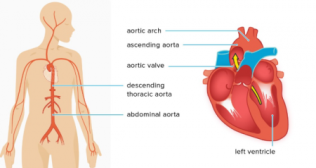
Coronary Artery Bypass Grafting (CABG): As the name implies, in CABG a new route is created for flow of blood to the heart muscles and thus bypassing the obstruction. This is one of the most commonly performed operation in present times. This new route of blood flow is created by using a piece of blood vessel (graft) from the patient’s body. One end of the graft is attached to the aorta or one of its branches and the other end of the graft is attached to the diseased coronary artery beyond the blockage. Thus, the obstruction is bypassed. The graft may be an artery or a vein. Arterial grafts are considered superior as these remain patent for a longer period.
COMMON MYTHS ABOUT CABG
Though CABG is one of the commonest operations of current times globally, there are several misconceptions about it. The common myths include:
MYTH 1: ALL HEART BLOCKS REQUIRE CABG
Fact - In consultation with the patient, a heart team consisting of a cardiac surgeon and cardiologist decide the best treatment option for the patient. This decision is primarily based on number and location of blocks, condition of coronary arteries and heart muscles, age, and general condition of patient and taken by the doctor.
MYTH 2: CABG IS REQUIRED ONLY IN OLDER PATIENTS
Traditionally, especially in Western population, elderly patients (>60 years) require CABG. However, younger patients (35-60 years) may also need CABG. In India, average age of patients undergoing CABG is much less than that of Western patients.
MYTH 3: CORONARY ARTERY BYPASS GRAFTING (CABG) IS A RISKY SURGERY?
Fact - CABG is one of the safest operations. The risk of complications generally depends upon age, general health, smoking history, specific medical conditions, and most importantly, the heart function. Less than 5% patients may develop some form of complications in form of bleeding or infection, stroke (which is primarily related to age and history of previous stroke), kidney failure (related in large measure to the kidney function before the surgery), and heart attack during or after the surgery.
MYTH 4: CABG IS A PAINFUL PROCEDURE
Though CABG is a major surgical procedure, with availability of good pain-relieving drugs and proper respiratory training pain can be reduced to tolerable discomfort.
MYTH 5: CABG IS A CURE FOR CORONARY ARTERY DISEASE
Fact - The operation abolishes angina in almost all patients and minimizes the risk of future heart attacks. CABG is also known to prolong the expected survival (lifespan).
One should understand clearly that CABG does not abolish or retard the process of coronary artery disease. It only provides a remedy for the harmful effects of the disease. Thus, it is possible that a patient may develop symptoms again, either due to progression of coronary artery disease or due to involvement of the grafts in the disease process. Vein grafts are particularly susceptible for involvement in the disease process and about 50% of the vein grafts may be blocked by 10 years.
MYTH 6: ONE CANNOT LEAD A NORMAL LIFE AFTER CABG
Fact: CABG improves the performance of the heart. After wound healing, most patients can lead a normal and fulfilling life. With better surgical and rehabilitation techniques, most patients enjoy an active life without any restrictions.
MYTH 7: CABG IS A QUICK FIX AND LIFESTYLE MODIFICATION IS NOT REQUIRED AFTER IT
CABG does not abolish or retard the process of coronary artery disease. It only provides a palliation against the harmful effects of the disease. Healthy lifestyle (abstinence from tobacco, exercise, meditation, balanced diet, and control of blood pressure) are equally important after CABG.
Categories
Clear allMeet the doctor
- Cardiac Sciences | Adult CTVS (Cardiothoracic and Vascular Surgery)
-
 33 Years
-
 2000
2000
Related Blogs
View all





FAQs

Keep track of your appointments, get updates & more!

