
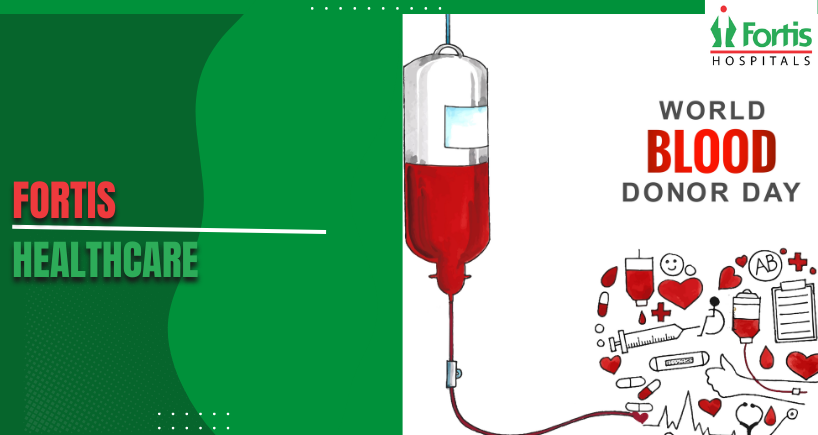


National Donor Day: One Decision, Multiple Lives Saved
Every February, hospitals across India face critical shortages that affect thousands awaiting life-saving procedures. Blood banks operate below optimal inventory levels whilst transplant waiting lists grow longer each month. National Donor Day reminds communities that individual choices create profound collective impact.
The decision to donate doesn't just save one life but it creates cascading effects across entire families and communities. A single blood donor potentially helps multiple patients through separated blood components. One organ donor can transform outcomes for eight different recipients. Understanding blood donation benefits alongside organ donation possibilities empowers people to make informed decisions about contributing to medical care systems that serve everyone.
Understanding Blood Donation's Immediate Life-Saving Impact
Blood donation represents the most accessible form of medical contribution available to healthy adults across India. Hospitals require constant fresh supplies for surgical procedures, cancer treatments, trauma care, and chronic disease management. Emergency situations particularly depend on readily available matched blood products that can't be manufactured or stockpiled indefinitely.
The blood donation benefits extend far beyond emergency rooms into planned medical care. Patients undergoing chemotherapy often need regular transfusions to maintain healthy blood cell counts throughout treatment. Surgical teams rely on adequate blood supplies to perform complex operations safely. Pregnancy complications sometimes require immediate transfusions to protect both mother and child during delivery emergencies.
Why Organ Donation Awareness Remains Critical Today
Thousands of Indians currently wait for organ transplants that could restore their health and extend their lives significantly. Kidney failure patients spend years on dialysis whilst hoping for suitable donor matches. Heart disease patients deteriorate progressively without transplant interventions. Liver failure leaves families watching loved ones decline despite available surgical solutions.
Promoting organ donation awareness addresses persistent gaps between available organs and patients requiring them urgently. Many families never discuss donation preferences before tragedy strikes, leaving difficult decisions to grieving relatives during emotional crises. Cultural misconceptions about donation sometimes prevent willing donors from registering their intentions clearly. Educational initiatives help communities understand that deceased donation doesn't interfere with funeral arrangements or religious observances in most traditions.
Medical Advances Enable Safe Donation Without Donor Harm
Modern medical screening protects donor health rigorously through comprehensive evaluation before accepting blood or organ contributions. Doctors assess medical history, current medications, recent travel, and infection risks systematically. Blood pressure, haemoglobin levels, and overall fitness receive careful verification. These protocols ensure donation remains safe whilst protecting recipient health simultaneously.
Living organ donation has evolved considerably through minimally invasive surgical techniques that reduce recovery time substantially. Kidney donors typically return to normal activities within weeks rather than months. Liver regeneration allows partial liver donation with both donor and recipient achieving full liver function. The blood donation benefits research demonstrates no long-term health consequences for regular donors who follow recommended frequency guidelines.
The Straightforward Process of Becoming an Organ Donor
Learning how to become an organ donor involves simpler steps than most people anticipate. Online registration portals allow immediate pledge recording through official government websites within minutes. Driving licence applications often include organ donor designation options during standard renewal procedures. Documented wishes regarding donation provide legal clarity that supports family decisions during difficult circumstances.
Discussing donation intentions with family members beforehand prevents confusion and ensures wishes receive respect when needed. Many people express willingness to donate but never communicate these preferences to relatives who ultimately make final decisions. Written documentation combined with family conversations creates the strongest foundation for honouring donor intentions. Registration doesn't obligate donation but establishes clear preferences that guide medical teams and families appropriately.
Modern Transfusion Medicine Advances Patient Outcomes Significantly
Transfusion medicine has transformed from simple blood replacement into sophisticated component therapy tailored to specific patient needs precisely. Blood gets separated into red cells, platelets, plasma, and clotting factors that address different medical requirements. This separation allows single donations to benefit multiple patients concurrently. Advanced matching techniques reduce transfusion reactions whilst improving safety margins substantially.
Comprehensive blood management programmes at Best Hospital in India integrates sophisticated testing with specialised storage and careful inventory management. These systems ensure optimal blood product availability whilst maintaining stringent quality standards throughout collection, processing, and distribution phases. Modern transfusion medicine protocols minimize waste through precise demand forecasting and coordinated collection efforts.
Overcoming Common Donation Misconceptions Through Facts
Several persistent myths discourage potential donors despite contradicting medical evidence consistently. Some believe donation weakens the body permanently, though healthy adults regenerate donated blood within weeks naturally. Others worry about contracting infections during donation, despite sterile single-use equipment eliminating transmission risks completely. Religious concerns often dissolve when people learn that major faiths generally support donation as charitable acts.
Age restrictions surprise many potential donors who assume they've aged beyond eligibility thresholds. Blood donation accepts healthy individuals from ages 18 to 65 in most programmes. Organ donation registration has no upper age limits, with medical suitability determined at time of death rather than registration. Modern transfusion medicine standards protect donor safety through evidence-based weight and health requirements rather than arbitrary exclusions.
How Single Donors Create Ripple Effects Across Communities
Every blood donor potentially impacts multiple lives through separated blood components used across different medical scenarios. Surgical patients, accident victims, and cancer patients all benefit from individual donor generosity. Organ donors affect even broader circles—eight transplant recipients plus their families, friends, and communities all experience transformed circumstances.
The cascading effects extend beyond immediate recipients into healthcare system capacity and community resilience. Adequate blood supplies allow hospitals to schedule necessary surgeries without dangerous delays. Available organs reduce dialysis burdens and associated healthcare costs whilst returning transplant recipients to productive lives. Understanding how to become an organ donor and acting on that knowledge strengthens entire medical care networks.
Building Donation Culture Through Education and Accessibility
Expanding organ donation awareness requires sustained community engagement beyond annual observance days. Schools can incorporate donation education into health curricula, normalising conversations about medical contribution from young ages. Workplaces might organise group blood donation drives that combine convenience with social encouragement. Religious leaders can clarify theological positions supporting donation as extensions of compassionate service.
Accessibility improvements help convert donation willingness into actual contributions. Mobile blood collection units bring donation opportunities to communities lacking permanent centres. Simplified registration processes reduce barriers for organ donor pledges. Transparent communication about donation processes and recipient outcomes builds public trust in medical systems managing these life-saving resources.
Recognising Donors Through Respectful Acknowledgement Systems
Donor recognition programmes honour contributions whilst encouraging broader participation through visible appreciation. Blood donation certificates acknowledge repeated donors who maintain regular contribution schedules. Memorial services sometimes include specific acknowledgement of organ donors whose gifts enabled transplant miracles. These recognition efforts validate donor generosity without compromising medical confidentiality or recipient privacy.
Families of organ donors often find comfort knowing their loved one's final act saved multiple lives facing desperate circumstances. Transplant recipients frequently express profound gratitude for gifts enabling restored health and extended time with their own families. These human connections underscore donation's deeply personal nature alongside its broader public health significance across Indian communities.
Categories
Clear allRelated Blogs
View all




Keep track of your appointments, get updates & more!

