
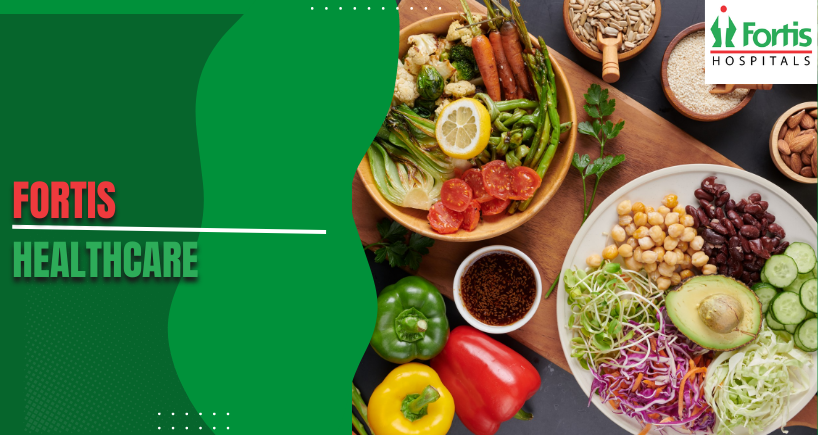


National Nutrition Month: Building Healthy Eating Habits for Lifelong Wellness
Food is invariably more than just something to give us energy. It influences how well your immune system works, your mental clarity at midday, and even if your joints will be painful when you get to be fifty – yet the majority of people don’t think much about what they consume, until a medical condition makes them.
National Nutrition Month refocuses attention on what is probably the most easily altered aspect of lasting health. Unlike your genes or growing older, your eating is something you are able to alter. Nutrition and dietetics experts always discover that lasting modifications to food habits – not quick, restrictive diets – create the most permanent improvements to health over the course of a lifetime.
Why What You Eat Affects More Than Your Weight
The link between what you eat and long-lasting illness is well demonstrated in medical studies. Heart disease, type 2 diabetes, high blood pressure and some cancers all have proven dietary factors that increase risk. Regularly consuming heavily processed foods, a lot of salt, and simple carbohydrates raises inflammation and metabolic danger over the years.
The health of the gut is a particularly important topic these days. The many billions of microbes in your digestive system respond directly to what you give them to eat. A varied diet which is full of fibre helps a diverse microbiome, which in turn helps immune function, emotional wellbeing and how well your metabolism works, in ways which are still being thoroughly investigated.
Reading What Your Body Is Telling You About Food
Regular stomach swelling, fluctuating energy during the day, often getting colds, and wounds taking a long time to heal are all signs that something in what you eat at the moment isn’t ideal. Most people think these are caused by things in their lifestyle like a lack of sleep or stress, rather than looking at the direct nutritional causes.
Unstable blood sugar is one of the more helpful indications. Feeling tired in the late morning or late afternoon, wanting sugary foods after eating, and finding it hard to concentrate a few hours after a meal all suggest a diet which contains a lot of simple carbohydrates and not much protein, fibre, or slowly released energy.
Healthy Eating Habits That Actually Last
Brief changes to diet which are driven by self-control seldom have long-term effects. The method that brings about lasting results is making changes to the way food is bought, prepared and eaten – instead of depending on getting motivated every day. Making healthy food the usual thing in your life is demonstrably more effective than deciding on it daily.
Forming healthy eating habits involves a few regular rules:
Have a source of protein in every major meal to stay full and maintain muscle.
Fill at least half of your plate with vegetables and pulses before adding cereals or starches.
Eat meals at the same time to control appetite hormones and cut down on spontaneous eating.
Use whole grain products instead of refined grain products to get more fibre and nutrients.
These habits do not need expensive ingredients or strict meal plans. They do need consistency, which is exactly what divides food behaviour that changes health outcomes from changes which disappear within weeks.
The Role of a Balanced Diet in Disease Prevention
A diet mainly based on complete foods, a range of plants, low-fat proteins, and good fats reduces the risks of heart problems including bad cholesterol, triglycerides and blood pressure. Balanced diet benefits include better insulin sensitivity; larger amounts of fiber, for instance, are consistently shown in studies of populations to be linked to lower blood sugar when fasting, and a reduced rate of type 2 diabetes.
Diet has a definite, measurable effect on bone health as well. Enough calcium – from dairy products, or plant-based foods with calcium added – alongside vitamin D, and enough protein, helps to keep bone mineral density up during adulthood. This is especially important for women, who can lose bone quickly after the menopause if they haven’t had enough support from their diet in the years before.
Navigating Portion Distortion
Over the last twenty years, portion sizes in Indian cities have grown a great deal, due to restaurant culture, the way packaged foods are advertised, and how people eat socially. Knowing what a sensible portion really is is something most adults have never been taught, properly. A portion of boiled rice, for example, should be about the size of a fist, and not the pile which usually fills a thali.
Eating slowly, and without being distracted by screens, will improve how your body signals when you are full. It takes about twenty minutes for the hormones which tell your brain you’ve had enough to register. Always hurrying your meals prevents this happening, causing you to habitually eat too much, which builds up over hundreds of meals over the years.
Where Nutrition and Dietetics Intersects with Medical Care
Therapeutic nutrition is very different from just generally eating healthily. People who are being treated for conditions like long-term kidney disease, heart failure, liver disease, inflammatory bowel conditions, and eating disorders need dietary advice which is made for them individually, and which takes into account their particular metabolic state, and how their medicines will interact with what they eat. General advice for the population as a whole does not apply equally to these groups.
Specialized dietitians work with clinical teams of many kinds of specialists to make diet plans which fit in with the aims of the medical treatment. This bringing-together of nutrition and dietetics into hospital-level care is a significant change from treating food as something separate from clinical management.
Micronutrient Gaps in the Indian Context
Vitamin D deficiency is common throughout India, in both town and country, despite there being a lot of sunlight. People’s indoor lifestyles, use of sunscreen, and diets which do not contain much food with added vitamins all play a part. Iron deficiency anemia is still common, particularly among women and young people, and often comes with a lack of folate and B12 in people who do not eat meat.
The usual approach in national nutrition month educational work is to tackle these deficiencies with food first, and with supplements where changing the diet does not do enough. It is still important to test before supplementing, because too much of vitamins which dissolve in fat – including D, A, and K – carries its own health risks.
Building a Relationship With Food That Sustains You
Healthy eating habits are damaged when food becomes a source of worry, and not of nourishment. Strict rules about diet, giving foods moral labels of “good” or “bad”, and going through periods of eating too much, then trying to make up for it, create psychological patterns which are themselves bad for health. A relationship with food which will last accepts social eating, cultural food traditions, and the occasional treat, within a generally sensible overall pattern.
The aim is not to be perfect at every meal, but to be consistent over weeks and months. Small, sensible improvements build up into large protective effects over a lifetime when they are actually kept going, and not tried from time to time and then given up.
Categories
Clear allRelated Blogs
View all
Single Incision Laparoscopic Surgery (SILS) for Hernia Repair


Understanding Gallbladder Stones: Causes, Symptoms, and Treatment Options
Understanding Hernia - Causes, Symptoms, and Treatment Options

Gallstone Complications: When to Seek Medical Attention

Common Myths and Misconceptions About Bariatric Surgery
Understanding Appendicitis: Causes, Symptoms, Risk Factors & Treatment

Understanding Varicose Veins: Causes, Symptoms, Risk Factors & Treatment Options



Keep track of your appointments, get updates & more!

