


Natural Blood Thinners: Benefits, Risks, and What You Need to Know
Natural Blood Thinners: Benefits, Risks, and What You Need to Know
In an era where many are seeking natural approaches to wellness, the idea of using foods or supplements to achieve health goals is incredibly appealing. One area that often comes up is blood thinning. You might search online for how to make blood thin or look for natural blood thinners food, hoping to find simple, kitchen-based solutions to support cardiovascular health. The concept stems from a valid concern: preventing dangerous blood clots that can lead to heart attacks, strokes, or pulmonary embolisms.
While certain foods and natural compounds do possess mild properties that can influence blood consistency and clotting, it is absolutely critical to approach this topic with caution and a clear understanding of the science. The term "natural blood thinners" itself can be misleading and potentially dangerous if misinterpreted. This guide aims to explore the substances often discussed, their potential effects, the significant risks involved, and why consulting your doctor is non-negotiable before attempting how to thin blood naturally.
Why Blood Clotting Matters (and When It Becomes a Problem)
Blood clotting is a vital, life-saving process. When you get injured, your body initiates a complex cascade involving platelets and clotting factors to form a clot, sealing the wound and preventing excessive blood loss. Without this ability, even minor injuries could be catastrophic.
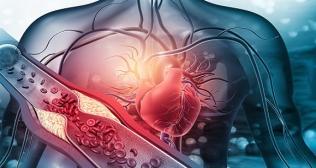
The problem arises when clots form inappropriately inside your blood vessels. These clots can block blood flow to critical organs:
A clot blocking an artery to the heart causes a heart attack.
A clot blocking an artery to the brain causes a stroke.
Clots forming in the deep veins of the legs (DVT) can break off and travel to the lungs, causing a life-threatening pulmonary embolism (PE).
For individuals at high risk for these events (due to conditions like atrial fibrillation, mechanical heart valves, or a history of clots), doctors prescribe powerful medications specifically designed to prevent inappropriate clotting. These fall into two main categories:
Anticoagulants: (e.g., Warfarin, Eliquis, Xarelto) Slow down the chemical reactions that lead to clot formation.
Antiplatelets: (e.g., Aspirin, Plavix) Prevent platelets from sticking together to form a plug.
These medications are potent, precisely dosed, and require careful monitoring.
Exploring "Natural Blood Thinners": Foods and Supplements
Many foods and supplements contain compounds that have shown, in laboratory studies or to a mild degree in humans, some effect on platelet aggregation or the clotting cascade. These are the blood thinning foods often mentioned.
Omega-3 Fatty Acids (Fish Oil)
Found abundantly in fatty fish (salmon, mackerel, sardines) and fish oil supplements, omega-3s (EPA and DHA) are known for their heart-healthy benefits. They can make platelets slightly less sticky, potentially reducing the tendency for them to clump together. While beneficial for overall cardiovascular health, their blood-thinning effect is generally considered mild.
Vitamin E
This fat-soluble vitamin, found in nuts, seeds, and vegetable oils, acts as an antioxidant. It also has mild anticoagulant properties, meaning it can slightly interfere with the action of vitamin K-dependent clotting factors. However, achieving a significant blood-thinning effect usually requires high supplemental doses, which carry their own risks.
Garlic
Garlic contains compounds like allicin, which have shown antiplatelet effects in lab studies. Some human studies suggest a potential mild effect, but the evidence is not strong enough to consider it a reliable blood thinner.
Turmeric (Curcumin)
Curcumin, the active compound in turmeric, is a potent anti-inflammatory agent. Lab studies suggest it may also inhibit platelet aggregation and interfere with the clotting cascade. However, curcumin is poorly absorbed by the body, and achieving therapeutic levels often requires specialized supplements. Its clinical significance as a blood thinner in humans remains unclear.
Ginger
Ginger contains gingerol, a compound with anti-inflammatory properties. Like turmeric, lab studies suggest it might have mild antiplatelet effects, but robust human data confirming a significant blood-thinning action is lacking.
Other Substances
Other foods and herbs sometimes mentioned include cinnamon (contains coumarin, similar to warfarin, but in highly variable and potentially unsafe amounts), ginkgo biloba, cayenne pepper, and bromelain (from pineapple). Evidence for their effectiveness and safety as blood thinners is generally weak or requires much more research.
The CRITICAL Risks and Why "Natural" Doesn't Mean Safe
This is the most important part of the discussion. While exploring natural blood thinners food is tempting, relying on them carries significant risks:
NOT Substitutes for Medication: This cannot be overstated. The effects of these foods and supplements are vastly weaker and less predictable than prescription anticoagulants or antiplatelets. For high-risk conditions like atrial fibrillation or mechanical heart valves, relying on garlic or fish oil instead of prescribed medication is extremely dangerous and potentially fatal. Do not attempt to make blood thin naturally if you have been prescribed medication.
Dangerous Interactions: Combining these natural substances with prescription blood thinners (like warfarin, Eliquis, aspirin, etc.) can dangerously increase your risk of bleeding. This interaction can lead to severe bruising, nosebleeds, internal bleeding, or even life-threatening hemorrhage. Never add these supplements or consume large amounts of these foods without explicit approval from your doctor if you are on blood-thinning medication.
Lack of Dosage Control: How much blood-thinning effect do you get from two cloves of garlic versus four? How much coumarin is in this batch of cinnamon versus the next? It is impossible to know. Unlike medications, there is no standardized dosing or reliable way to measure the effect, making them unsafe for managing serious conditions.
Insufficient Potency: For conditions requiring robust anticoagulation, the mild effects of food are simply not strong enough to provide adequate protection against clots.
Surgery and Procedure Risks: Just like prescription blood thinners, these natural substances can increase bleeding risk during surgery or dental procedures. You must inform your doctor and surgeon about all supplements and herbs you are taking well in advance.
Safe, Proven Ways to Support Healthy Circulation
Instead of focusing on specific blood thinning foods with uncertain effects, a safer and more effective natural approach is to adopt lifestyle habits known to support overall cardiovascular health and healthy blood flow:
Stay Hydrated: Dehydration can make blood slightly thicker. Drinking plenty of water helps maintain optimal blood viscosity.
Regular Exercise: Physical activity improves circulation, strengthens the heart, and helps maintain a healthy weight.
Eat a Balanced Diet: Focus on a heart-healthy diet rich in fruits, vegetables, whole grains, lean protein, and healthy fats (like those found in fish, nuts, and olive oil). This supports overall blood vessel health.
Maintain a Healthy Weight: Obesity increases the risk of blood clots.
Avoid Smoking: Smoking damages blood vessels and increases the risk of clot formation.
Your Doctor Is Your Essential Partner
The allure of natural blood thinners is understandable, but the potential risks are significant. Your blood's ability to clot is a delicate balance, and attempting to manipulate it without medical supervision can have serious consequences.
Before considering any food, supplement, or herb for its potential blood-thinning properties, have an open and honest conversation with your doctor. This is especially critical if you are already taking any prescription medications, particularly blood thinners. Your doctor can help you understand the real risks and benefits based on your individual health status.
Frequently Asked Questions
Q1. Can eating certain foods replace my need for warfarin or other blood thinners?
Ans. Absolutely not. Foods like garlic, turmeric, or fish oil have vastly weaker and less predictable effects than prescription medications. Replacing your prescribed medication with dietary changes is extremely dangerous and could lead to a stroke, heart attack, or other serious clotting event.
Q2. How much fish oil would I need to take to significantly thin my blood?
Ans. Achieving a clinically significant blood-thinning effect comparable to medication would likely require very high, potentially unsafe doses of fish oil, increasing the risk of bleeding without guaranteed benefit. Omega-3s are best obtained through eating fatty fish 2-3 times per week or standard-dose supplements for general heart health, not specifically for blood thinning.
Q3. Are there any warning signs that my blood might be too thin?
Ans. Yes. Signs of excessive bleeding can include easy or unexplained bruising, frequent or prolonged nosebleeds, bleeding gums (especially after brushing), cuts that take a very long time to stop bleeding, blood in urine or stool (which may look red, black, or tarry), or, in women, unusually heavy menstrual bleeding. Seek medical attention if you notice these.
Q4. I'm not on blood thinners. Is it safe to eat foods like garlic and ginger?
Ans. Yes. Consuming these foods in normal culinary amounts as part of a balanced diet is generally safe and healthy for most people. The risks discussed primarily relate to using high-dose supplements or combining these substances with prescription blood-thinning medications.
Categories
Clear allRelated Blogs
View all



Keep track of your appointments, get updates & more!

