


Natural Foods That May Help Control High Uric Acid Levels
High uric acid levels — a condition known as hyperuricemia — affect a growing number of people today. Left unmanaged, elevated uric acid leads to painful gout attacks, kidney stones, and joint damage. While medications play an important role in severe cases, dietary choices are one of the most effective and sustainable tools for long-term uric acid management.
Uric acid is a natural waste product formed when the body breaks down purines — compounds found in certain foods and produced naturally by the body. When the kidneys cannot excrete uric acid fast enough, or when too much is produced, it builds up in the blood and crystallizes in joints and tissues, causing the hallmark pain of gout.
The good news is that several natural foods have been shown to help reduce uric acid levels, support kidney excretion, and reduce the frequency and severity of gout flares. Let us look at the evidence.
Natural Foods That Help Lower Uric Acid
1. Cherries
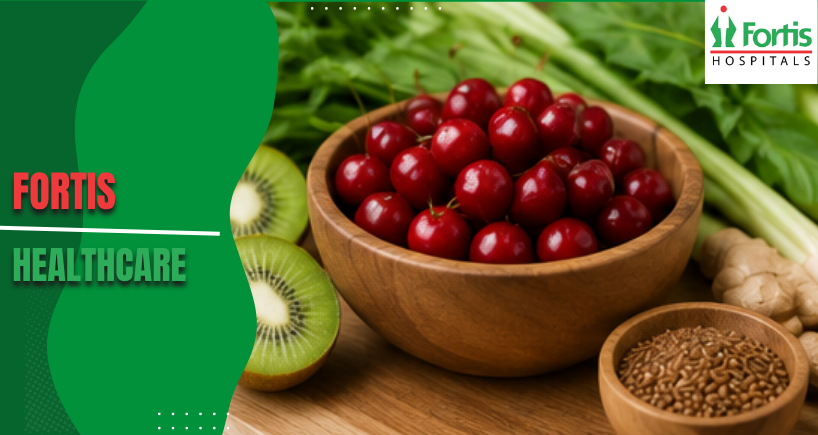
Cherries — both sweet and tart — are perhaps the most well-researched natural remedy for gout. Multiple studies have found that cherry consumption is associated with a significant reduction in gout attacks. Cherries contain anthocyanins, powerful anti-inflammatory compounds that reduce the production of uric acid and inhibit the inflammatory pathways activated during gout flares.
A landmark 2012 study published in Arthritis & Rheumatism found that cherry consumption over just two days was associated with a 35% lower risk of gout attacks. Tart cherry juice (unsweetened) is a practical daily option if fresh cherries are unavailable.
2. Water — The Most Essential Tool
Adequate hydration is one of the simplest and most effective ways to control uric acid levels. Water helps the kidneys flush uric acid out of the body more efficiently. Drinking 2.5–3 liters of water daily significantly supports urinary excretion of uric acid and reduces the risk of urate crystal formation in joints.
Start your day with 2 glasses of water, maintain hydration throughout, and increase intake during hot weather or after exercise.
3. Low-Fat Dairy Products
Research consistently shows that low-fat milk and yogurt are associated with lower uric acid levels. The proteins in dairy — casein and lactalbumin — promote uric acid excretion through the kidneys. Additionally, dairy proteins appear to reduce the intestinal absorption of purines from food. Consuming low-fat dairy daily is one of the most evidence-backed dietary strategies for gout prevention.
4. Coffee
Several large observational studies have found that regular coffee consumption — both caffeinated and decaffeinated — is associated with lower blood uric acid levels. Coffee appears to inhibit xanthine oxidase, the enzyme responsible for converting purines into uric acid. While coffee is not a treatment, regular, moderate consumption (2–3 cups daily) may play a supporting role in uric acid control.
5. Vitamin C-Rich Foods
Vitamin C has been shown to reduce serum uric acid levels by promoting its excretion through the kidneys. Studies suggest that 500mg of vitamin C per day — easily achieved through food — can produce meaningful reductions in uric acid. Excellent sources include amla (Indian gooseberry), guava, kiwi, oranges, bell peppers, and strawberries.
6. Ginger
Ginger has well-documented anti-inflammatory properties that can help manage the pain and swelling of gout attacks. Some research suggests that gingerol and shogaol — active compounds in ginger — may also help lower uric acid levels by modulating the xanthine oxidase pathway. Drinking fresh ginger tea daily is a practical and pleasant way to incorporate it.
7. Green Tea
Green tea contains catechins — antioxidant polyphenols that have been shown in animal studies to reduce uric acid production and improve renal excretion. While human evidence is still emerging, green tea's broad anti-inflammatory and antioxidant effects make it a sensible daily beverage for anyone managing high uric acid.
8. Alkaline Vegetables
Vegetables that are alkalizing in the body — such as cucumbers, carrots, celery, and leafy greens — help raise urinary pH, which supports uric acid dissolution and excretion. Celery in particular has been traditionally used for gout, and some research supports its mild uricosuric (uric acid-lowering) effect. A daily green vegetable juice or generous vegetable intake at each meal supports this mechanism.
9. Bananas
Bananas are naturally low in purines and high in potassium, which helps regulate kidney function and fluid balance. Their high water content also contributes to hydration. Some practitioners recommend bananas specifically during gout flares as a safe, gentle, anti-inflammatory food that does not worsen symptoms.
Foods to Avoid With High Uric Acid
- Red meat, organ meats (liver, kidney) — extremely high in purines
- Shellfish and certain fish (sardines, anchovies, mackerel) — high purine content
- Alcohol, especially beer — raises uric acid production and impairs kidney excretion
- Fructose-sweetened beverages and foods — fructose directly increases uric acid synthesis
- Processed foods and fast food — high in fructose syrup and inflammatory fats
Lifestyle Tips for Managing Uric Acid Naturally
- Maintain a healthy body weight — obesity increases uric acid production significantly.
- Exercise regularly — moderate activity supports kidney function and metabolism.
- Avoid crash diets or fasting — rapid weight loss temporarily spikes uric acid levels.
- Monitor your medications — some diuretics and aspirin raise uric acid; discuss with your doctor.
Conclusion
Managing uric acid through diet is both practical and effective. Cherries, water, low-fat dairy, vitamin C-rich foods, ginger, and green tea all have meaningful evidence supporting their role in reducing uric acid or preventing gout attacks. Combined with avoiding high-purine foods and maintaining a healthy lifestyle, these dietary choices can make a real difference in both your numbers and your quality of life.
Categories
Clear allMeet the doctor

- Support Specialties | General Physician
- Internal Medicine | Internal Medicine
-
 15 Years
-
 1150
1150
Related Blogs
View all








FAQs

Keep track of your appointments, get updates & more!

