
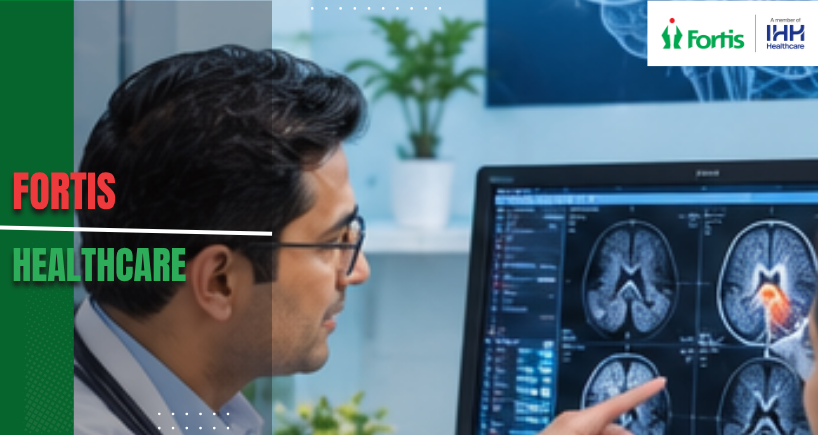


Neuro Treatments in Bangalore - Understanding Advanced Care for Brain and Nerve Disorders
Neurological conditions, ranging from stroke and epilepsy to complex spinal and nerve disorders, require highly specialized care. Bangalore has emerged as a significant hub for advanced neurological treatment in India, with hospitals offering sophisticated diagnostic and surgical capabilities.
Understanding the landscape of modern neuro care, from diagnosis to treatment, can help patients and families make more informed decisions when facing a brain or nerve-related health concern.
Because neurological conditions can affect nearly every aspect of daily life, from mobility to communication, choosing the right care pathway early on often has a lasting impact on long-term quality of life.
What Falls Under Neurological Care?
Neurology covers a broad range of conditions affecting the brain, spinal cord, and peripheral nerves. This includes:
- Stroke
- Epilepsy
- Parkinson's disease
- Multiple sclerosis
- Migraine and headache disorders
- Brain tumors
- Nerve compression conditions like carpal tunnel syndrome or sciatica
Neurosurgery, a related but distinct specialty, focuses on the surgical treatment of conditions like brain tumors, spinal disorders, and severe nerve compression that don't respond to conservative treatment.
Many patients move between these two specialties over the course of their care, starting with a neurologist for diagnosis and medical management, and involving a neurosurgeon only if surgical intervention becomes appropriate.
Common Symptoms That Warrant Neurological Evaluation
- Persistent or severe headaches
- Sudden weakness or numbness on one side of the body
- Difficulty speaking or understanding speech
- Seizures
- Tremors
- Memory problems
- Chronic back or neck pain with radiating nerve symptoms
Sudden onset symptoms, particularly those resembling stroke, such as facial drooping, arm weakness, or slurred speech, require emergency care immediately rather than a scheduled consultation, as timely treatment significantly affects outcomes.
Other subtler signs, like gradual changes in handwriting, balance, or coordination, can also point to an underlying neurological issue and are worth mentioning to a doctor even if they seem minor at first.
Advanced Diagnostic Tools in Modern Neuro Care
Accurate diagnosis is the foundation of effective neurological treatment. Advanced imaging techniques like MRI, CT scans, and specialized studies such as EEG (for seizure disorders) and EMG/nerve conduction studies (for nerve and muscle conditions) allow specialists to pinpoint the exact nature and location of a problem.
Bangalore's advanced hospitals often have access to high-resolution imaging and functional MRI capabilities, which can be particularly valuable for planning complex brain surgeries where preserving critical brain function is a priority.
These diagnostic tools also help distinguish between conditions that may present with overlapping symptoms, ensuring treatment is targeted precisely rather than based on assumption.
Modern Treatment Approaches
Minimally Invasive Neurosurgery
Techniques like endoscopic and keyhole neurosurgery allow surgeons to access and treat brain and spine conditions through smaller incisions, often resulting in reduced pain, shorter hospital stays, and faster recovery compared to traditional open surgery.
These approaches are particularly valuable for tumors located near critical brain structures, where precision can meaningfully reduce the risk of affecting surrounding healthy tissue.
Stroke Care and Intervention
Modern stroke units are equipped for rapid diagnosis and treatment, including clot-dissolving medication and mechanical thrombectomy procedures that can significantly reduce long-term disability when administered within critical time windows.
Because "time is brain" in stroke care, having access to a hospital with a dedicated, round-the-clock stroke response team can make a measurable difference in recovery potential.
Epilepsy Management
Beyond medication, advanced centers offer specialized epilepsy monitoring and, for select patients whose seizures don't respond to medication, surgical options to identify and remove or disrupt the specific area causing seizures.
Video EEG monitoring, where a patient's brain activity and physical symptoms are recorded simultaneously over several days, helps pinpoint the exact source of seizures when surgery is being considered.
Movement Disorder Treatments
For conditions like Parkinson's disease, treatments range from medication management to advanced options like deep brain stimulation for patients who no longer respond adequately to medication alone.
Rehabilitation and Recovery
Neurological rehabilitation, including:
- Physiotherapy
- Occupational therapy
- Speech therapy
plays a critical role in recovery after stroke, brain injury, or neurosurgery, helping patients regain function and independence.
The Importance of a Multidisciplinary Neuro Team
Complex neurological conditions often require input from:
- Neurologists
- Neurosurgeons
- Rehabilitation specialists
- Sometimes psychiatrists or psychologists, particularly when a condition affects mood, cognition, or long-term quality of life
This team-based approach ensures treatment plans address not just the immediate medical issue, but the broader impact on a patient's daily functioning and long-term wellbeing.
Regular communication between these specialists also helps catch and address complications early, rather than treating each aspect of a patient's care in isolation.
Choosing the Right Neuro Care
When seeking neurological care, look for centers with:
- Dedicated stroke units
- Advanced imaging capabilities
- A multidisciplinary team experienced in your specific condition
Asking about a center's experience with your particular diagnosis can help you feel more confident in your treatment path forward.
Categories
Clear allMeet the doctor
- Neurology | Neurology
-
 10 Years
-
 1200
1200
 Available at 1 different locations

Related Blogs
View all
FAQs

Keep track of your appointments, get updates & more!

