
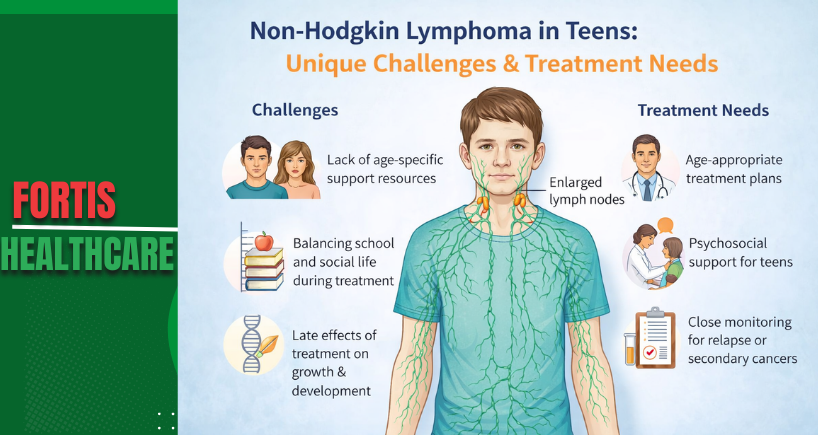


Non-Hodgkin Lymphoma in Teens: Unique Challenges and Treatment Needs
A teenager's diagnosis with non-hodgkin's disease creates unique challenges unlike cancer in older adults. Adolescents face NHL when their bodies are still developing, when their identities are forming, when their futures feel wide open. The disease and its treatment happen at a time of life when appearance matters intensely, academic achievement feels critical, social connections define identity, and planning future families seems important. Understanding how NHL affects teens specifically and how treatment approaches differ for younger patients helps both teens and families navigate this diagnosis.
Non-hodgkin lymphoma appears less frequently in adolescents than in older adults, but when it does appear, the disease often presents differently. Teen NHL is usually an aggressive, rapidly growing disease demanding immediate intensive treatment. This seems contradictory until you understand the biology: aggressive disease is actually more treatable in young people whose bodies tolerate intensive chemotherapy better than older bodies.
Why Teens Develop Different Types of NHL
Teens predominantly develop aggressive non-hodgkin's disease rather than the indolent types common in older adults. Lymphoblastic NHL and Burkitt lymphoma represent common presentations in adolescents. These rapidly growing cancers progress quickly but respond well to intensive treatment.
Why do teens develop different types of NHL than older adults? The answer involves immune system maturity and how non-hodgkin lymphoma biology changes with aging. Aggressive NHL requires less accumulated mutations because the growth itself is driven aggressively. Indolent NHL develops over decades of accumulated mutations. Teens haven't lived long enough to accumulate mutations typical of indolent non-hodgkin's disease.
Presentation Differences in Adolescents
Teen NHL often presents with mediastinal involvement, enlarged lymph nodes in the chest. This can cause respiratory symptoms, chest pain, or difficulty breathing. Some teens present with abdominal non-hodgkin lymphoma causing belly pain, vomiting, or gastrointestinal symptoms.
Constitutional symptoms are common in teen NHL. Fever, night sweats, and weight loss appear frequently. These symptoms often prompt evaluation, leading to diagnosis. Unlike in older adults where these symptoms might be attributed to other causes, in teens with acute illness they often drive more aggressive investigation.
The Physical Impact of Treatment
Chemotherapy's effects on a teenager's developing body are more profound than effects on adults. Certain chemotherapy drugs can affect heart development, potentially causing long-term cardiac problems. Some drugs can affect bone growth or fertility. The same intensive chemotherapy that's necessary for cure carries unique risks for growing bodies.
This is why teams treating non-hodgkin lymphoma in adolescents carefully consider which drugs to use and at what doses. They want to cure the NHL while minimizing permanent developmental damage. Fertility preservation becomes more critical because reproductive capability during adulthood matters intensely for teenagers.
Hair Loss and Body Image
For adults, hair loss from nhl treatment is difficult. For teenagers, it can feel catastrophic. Adolescence is a time when physical appearance feels paramount. Losing hair during high school feels like publicly announcing the cancer diagnosis. Wigs, hats, and scalp cooling caps help some teens manage this, but the emotional impact remains significant.
Non-hodgkin lymphoma treatment also causes weight changes, fatigue affecting athletic participation, and sometimes other physical changes that impact how teens see themselves during years when self-image is forming.
Educational Disruption
Teen NHL diagnosis means missing school during intensive chemotherapy. Depending on treatment duration and side effects, teenagers might miss months of school. Keeping up academically becomes challenging. Maintaining peer connections becomes harder. Planning for future college or career paths gets disrupted.
Many adolescent cancer centers work to support educational continuity during nhl treatment. Home tutoring, online school participation, and school reintegration help teens maintain academic progress despite disease and treatment.
Social and Relationship Impact
Teens develop identities partly through peer relationships. Non-hodgkin lymphoma diagnosis means missing social events. Treatment side effects like fatigue or hair loss create self-consciousness around peers. Dating and romantic relationships become complicated when battling cancer. Friendships sometimes fracture under the stress of serious illness.
Peer support groups specifically for teen cancer patients provide enormous value. Connecting with other teenagers facing non-hodgkin's disease creates understanding peers can't otherwise offer.
Fertility Preservation Before Treatment
Chemotherapy for NHL can damage sperm production in males or ovarian function in females. Adolescents planning eventual families should discuss fertility preservation options before nhl treatment begins. Males can bank sperm. Females have options for egg retrieval and freezing or ovarian preservation techniques.
These conversations happen at sensitive times, just after cancer diagnosis, when adolescents might feel invulnerable or not yet think seriously about reproduction. But preserving fertility options before non-hodgkin's disease treatment protects future choices.
Psychological Impact Specific to Adolescence
Teen NHL diagnosis triggers fears about death that most healthy adolescents don't confront. It brings loss of control, treatment decisions made by doctors and parents rather than teenagers themselves. It creates isolation from peers and normalcy.
Psychological support during nhl treatment helps teens process diagnosis and cope with emotional impact. Mental health professionals experienced working with adolescent cancer patients understand the specific challenges NHL presents during this developmental stage.
Treatment Intensity: Why Aggressive Matters for Teens
Paradoxically, the aggressive NHL types common in teens have better cure potential than indolent types common in older adults. Teens receive intensive chemotherapy regimens that older bodies couldn't tolerate. Five-year survival for teen non-hodgkin lymphoma often exceeds eighty to ninety percent, with many teens achieving long-term cure.
Modern nhl treatment protocols for adolescents carefully balance intensive therapy necessary for cure against long-term toxicity risks. The goal is curing the NHL while preserving quality of life.
Survivorship and Adolescent Development
Teens who successfully complete nhl treatment face survivorship during crucial developmental years. Physical recovery happens while identity formation continues. Many teen cancer survivors report their NHL experience profoundly shaped who they became, sometimes in positive ways, sometimes creating ongoing psychological effects.
Long-term follow-up addresses both cancer recurrence risk and late effects from treatment. Monitoring for heart problems, fertility issues, and secondary malignancies continues through adulthood.
Support Systems Matter
Families navigating teen non-hodgkin lymphoma need comprehensive support. Medical teams, psychology support, social work assistance, educational support, financial assistance, and peer support all contribute to optimal outcomes.
Adolescent cancer centers specifically designed for teen patients acknowledge that NHL in teenagers isn't just a medical problem. It's a developmental crisis happening at a crucial life stage requiring holistic support addressing medical, psychological, educational, and social dimensions.
Hope and Perspective
Despite the serious nature of NHL in teenagers, the prognosis is generally favorable. Modern treatment cures most adolescents with non-hodgkin's disease. After completing treatment, most return to normal adolescence, finishing school, going to college, building careers, forming families.
The experience of surviving NHL often profoundly impacts who teenagers become. Many describe increased appreciation for health and relationships. Some pursue healthcare careers or cancer advocacy. Others simply move forward with their lives while carrying the perspective that serious illness gave them.
Teen non-hodgkin lymphoma is serious but increasingly treatable. With modern NHL treatment and comprehensive supportive care, most adolescents with NHL not only survive but thrive.
Categories
Clear allRelated Blogs
View all





FAQs

Keep track of your appointments, get updates & more!

