


OBESITY & BARIATRIC SURGERY - A Complete Guide for Patients & Their Families
1. What Exactly Is Obesity?
Obesity is not simply about being a little overweight or enjoying food too much. It is a serious, lifelong medical condition where too much fat builds up in the body — more than what is healthy for your bones, joints, and organs. Think of it this way: your body is designed to carry a certain amount of fat to stay healthy. When that amount crosses a significant line, the extra fat starts putting pressure on every system in your body.
At our obesity clinic in Mohali, we constantly remind patients that this is a disease — not a lifestyle choice, and certainly not something caused by laziness. Medical organisations around the world now officially recognise this. The numbers tell a clear story: in India, and particularly across Punjab and the Tricity region, the proportion of obese adults has been rising steadily.
The real danger lies in the diseases it causes. Carrying excessive weight puts enormous strain on your heart, raises your blood pressure, and makes it harder for your body to handle sugar. Whether you are considering bariatric surgery in Mohali or just beginning to research your options, it is vital to understand that this condition affects both the body and the mind. Simple tasks like climbing stairs or even sleeping peacefully can become exhausting. Obesity is the second leading cause of preventable death, but understanding this is not meant to frighten you — it is meant to show why taking action is so important.
2. Why Diet and Exercise Alone Are Not Enough?
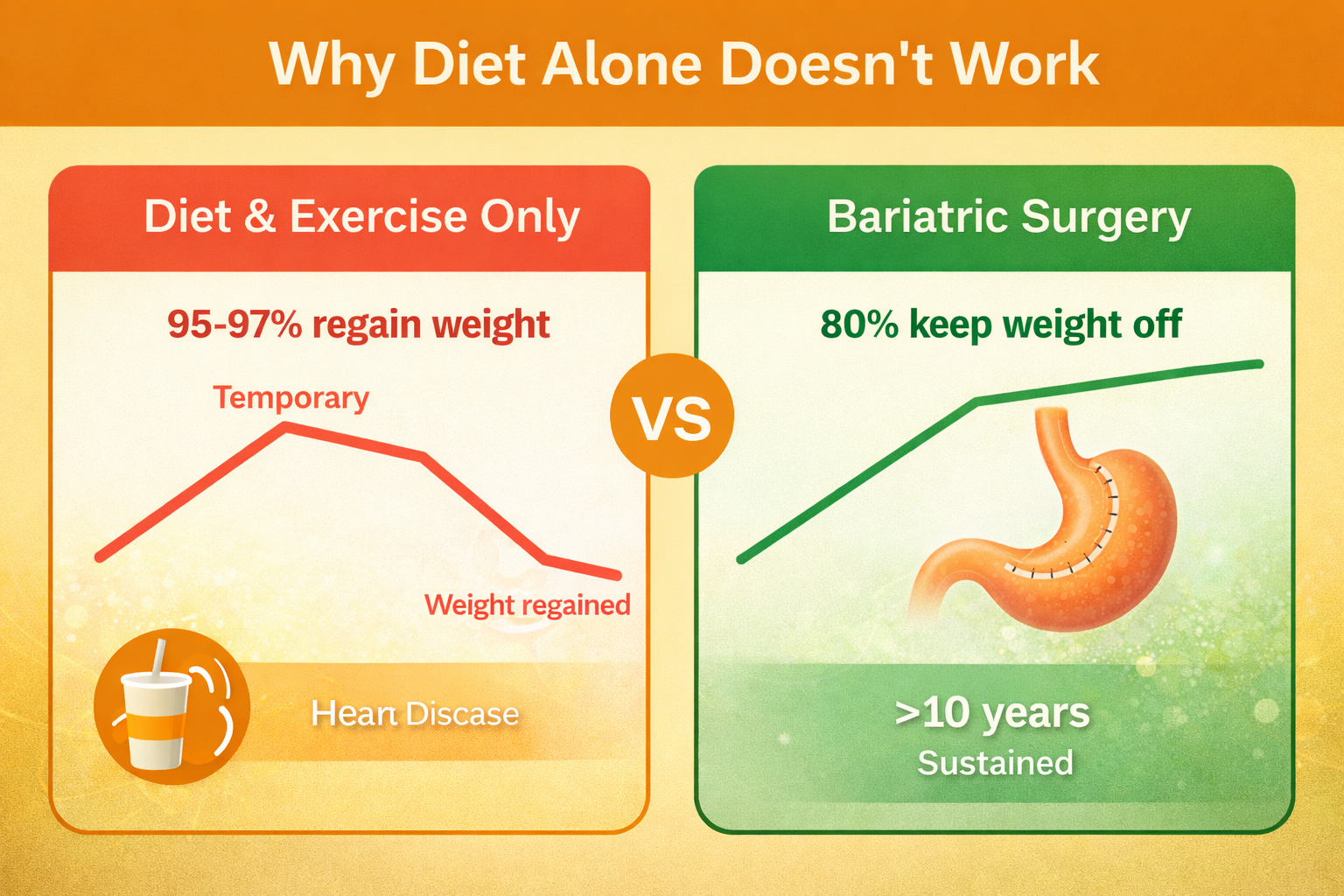
If you have been struggling with your weight for years, trying diet after diet with little lasting result, you are not alone — and you are not failing. The truth is that your body is working against you. Over thousands of years, the human body has evolved to hold onto fat as a survival mechanism. When you cut down on food, your body actually fights back by slowing down your metabolism, making you hungrier, and making every gram of fat harder to burn. This is why studies show that 95 to 97 percent of people who rely on dieting alone end up regaining all the weight they lost, usually within one to two years.
Bariatric surgery works differently because it changes the way your body processes food at a biological level. It is not just about eating less — although that does happen naturally after surgery because your stomach becomes much smaller. The surgery also triggers significant hormonal changes inside your body. These hormones reduce your appetite, change your taste preferences (many patients find they no longer crave sweets and fatty foods as much), and essentially reset the point at which your body decides it has enough energy stored. In simple terms, surgery 'resets' your body's idea of what a normal weight should be.
That said, it is very important to understand one thing: bariatric surgery is a powerful tool to help you manage obesity — it is not a magic cure. For the best and longest-lasting results, surgery must be combined with a healthy diet and regular exercise afterwards. Think of it as getting a significant head start on a journey that you then continue on your own.
3. What Are the Types of Bariatric Surgery?
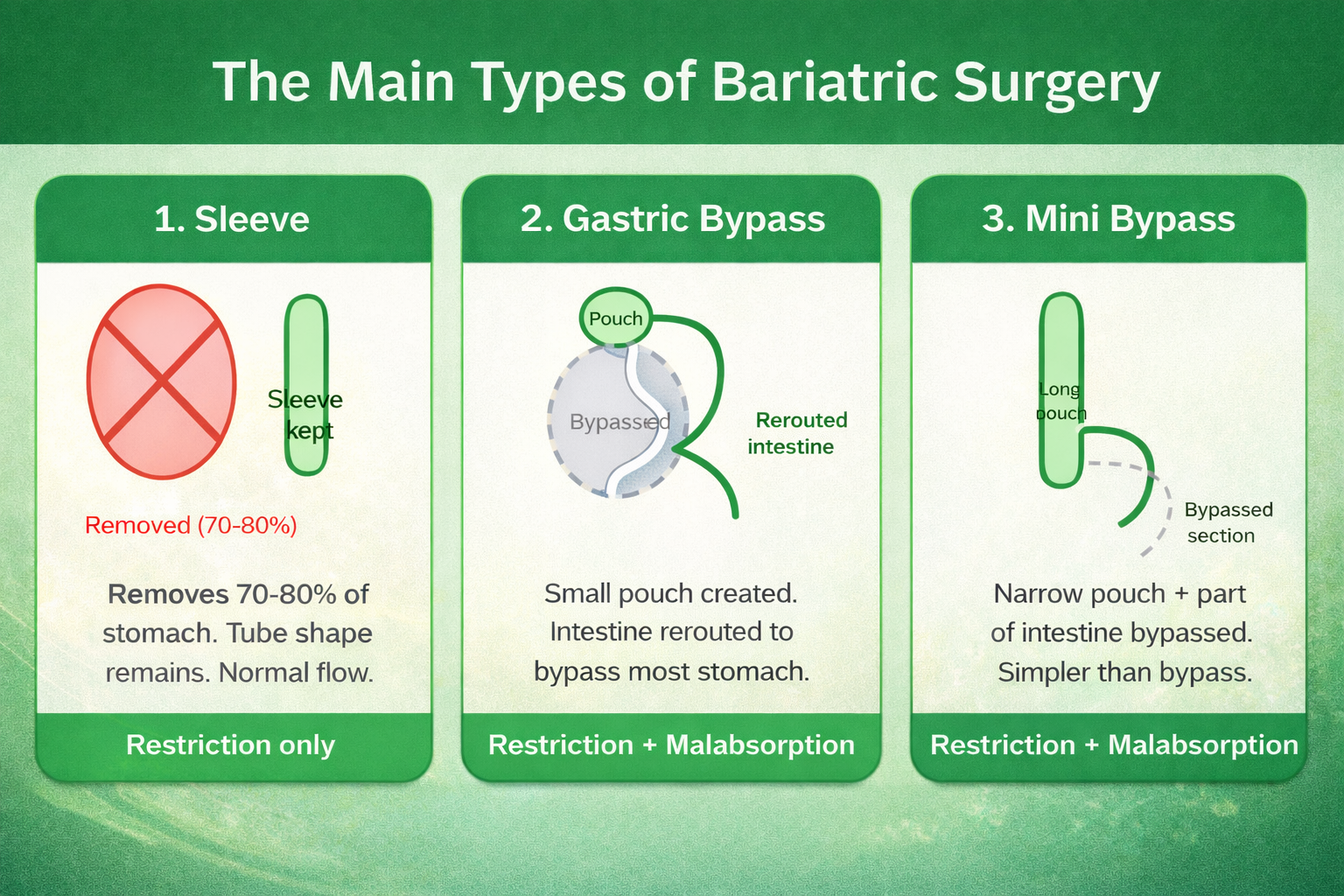
All bariatric surgeries performed today are done using minimally invasive techniques — meaning the surgeon makes only very small cuts (each about 1.5 cm or less) on your abdomen, rather than one large opening. This leads to faster healing, less pain, and a shorter hospital stay. The three most common procedures are explained below in simple terms.
Beyond simply making the stomach smaller, these surgeries trigger a cascade of hormonal changes inside your body. Hormones like GLP-1, PYY, and others increase after surgery, which signals to your brain that you are full — even after eating only a small meal. These same hormones play a key role in improving diabetes and fatty liver disease. So the surgery is doing far more than just changing the size of your stomach; it is reprogramming how your body responds to food.
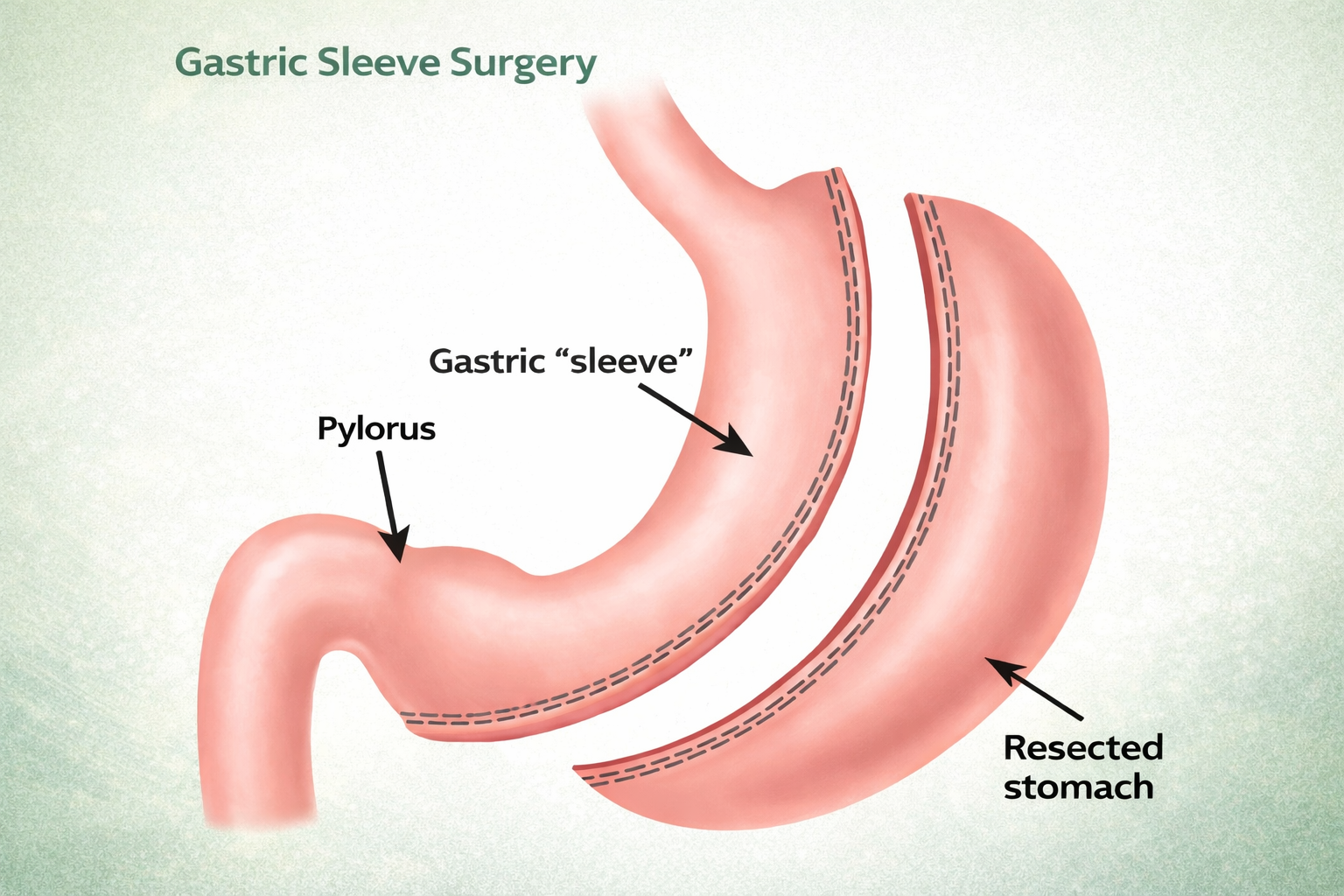
Sleeve Gastrectomy (the 'Sleeve') This is the most straightforward of the three surgeries. The surgeon removes about 70 to 80 percent of your stomach, leaving behind a small, tube-shaped piece — like a sleeve. Your digestive system otherwise works exactly as it did before: food still travels from your mouth, through the smaller stomach, and into your intestines in the normal way. Because your stomach is now so much smaller, you feel full after eating only a small amount of food. This procedure works purely through restriction — simply limiting how much you can eat at one time.
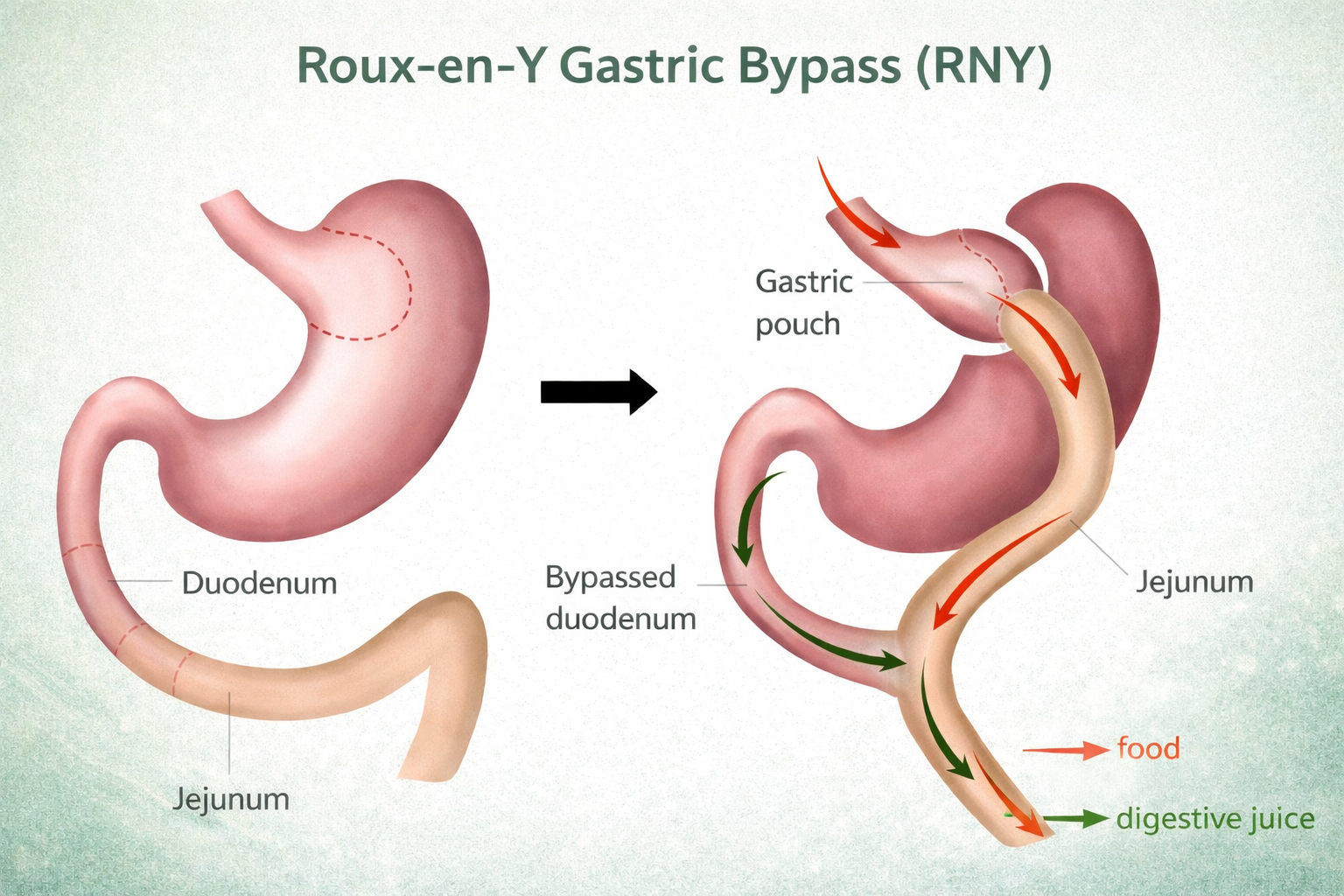
Roux-en-Y Gastric Bypass (the 'Bypass') This surgery involves two steps. First, the surgeon creates a very small pouch at the top of your stomach — roughly the size of an egg — by dividing it away from the rest. Then, a section of your small intestine is rerouted and connected directly to this tiny pouch. The result is that food skips most of your stomach and the first part of your intestine entirely. This means two things happen: you eat much less because the pouch fills up quickly, and your body absorbs fewer calories and less fat from the food you do eat. This combination of restriction and reduced absorption makes it one of the most effective procedures for long-term weight loss.
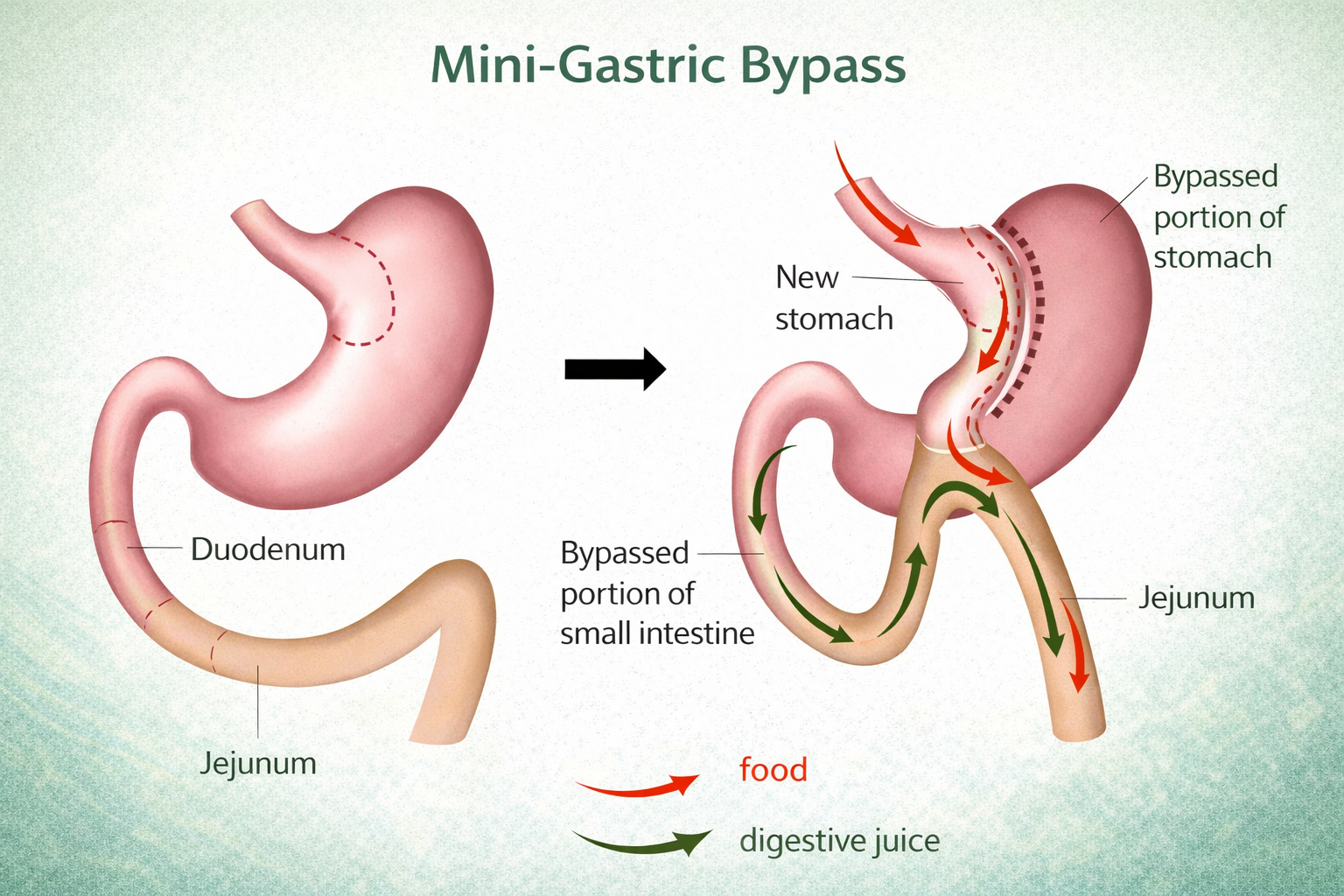
Mini Gastric Bypass (One Anastomosis Gastric Bypass) This procedure is a simpler version of the Roux-en-Y bypass. The surgeon creates a long, narrow pouch from the stomach and then connects a part of the small intestine directly to it, bypassing a section of the gut. Like the full bypass, it combines restriction with reduced absorption of calories. It requires fewer connections (anastomoses) than the Roux-en-Y, which can make it a slightly simpler and quicker operation, while still delivering strong weight-loss results.
4. Am I the Right Candidate for Surgery?
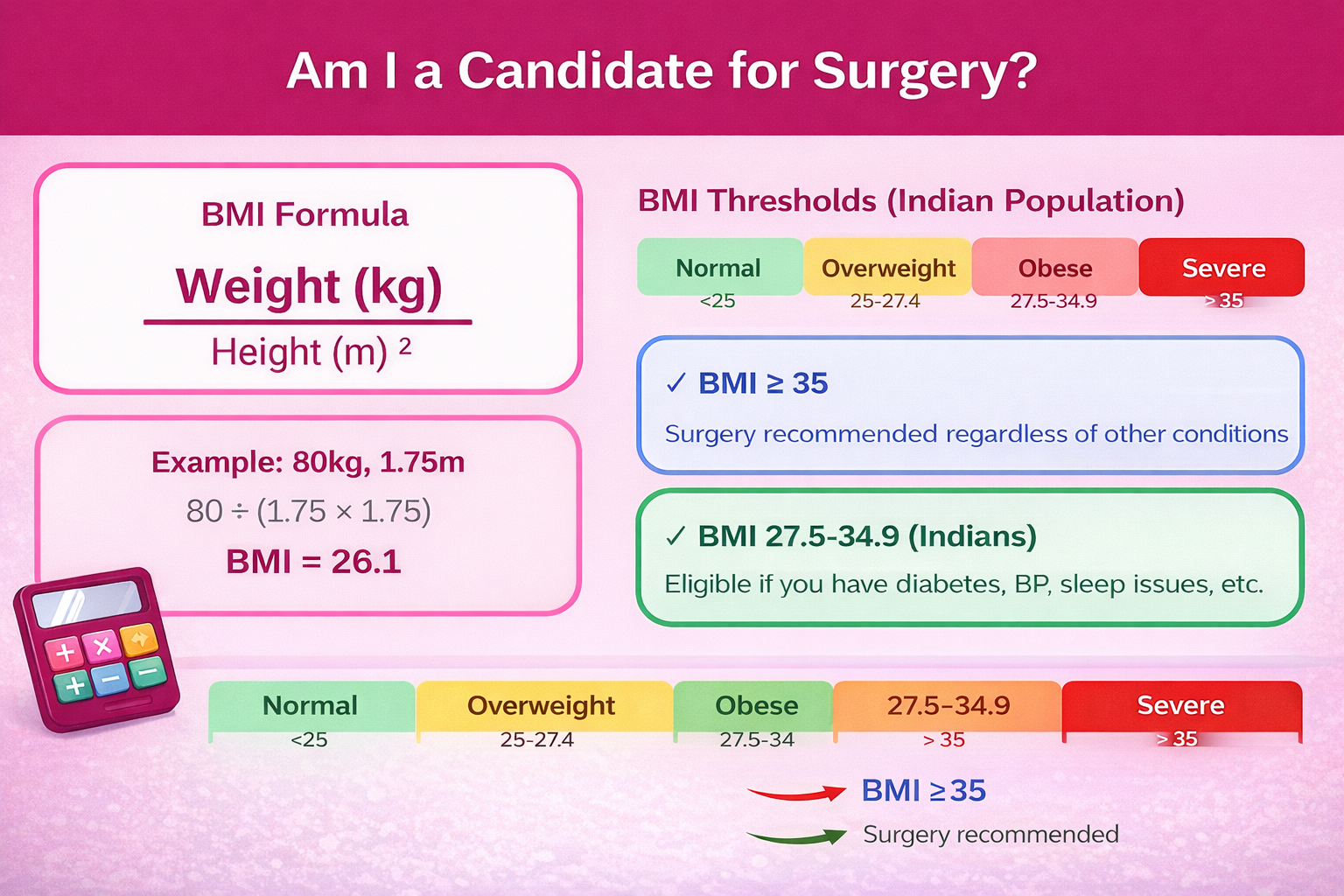
The decision about whether weight loss surgery is right for you is based on two main factors: your BMI (Body Mass Index) and whether you already have health conditions caused by obesity. BMI is a simple number calculated by dividing your weight in kilograms by the square of your height in metres.
When you consult with a bariatric surgeon, we look at specific thresholds to determine safety and necessity. For the general population, surgery is recommended when BMI is 35 or above. However, for people of Indian and Asian descent, the threshold is lower. If your BMI is 27.5 or above and you have conditions like diabetes, high blood pressure, or sleep apnea, surgery should be seriously considered.
This lower threshold is crucial for our patients in Mohali and the surrounding areas, as research shows that people of South Asian origin tend to develop serious health conditions at a lower weight than populations in Western countries. If you fall into this category, a consultation can help determine if a procedure like a sleeve or bypass is the safest path forward for your long-term health.
5. How Much Weight Will I Actually Lose?
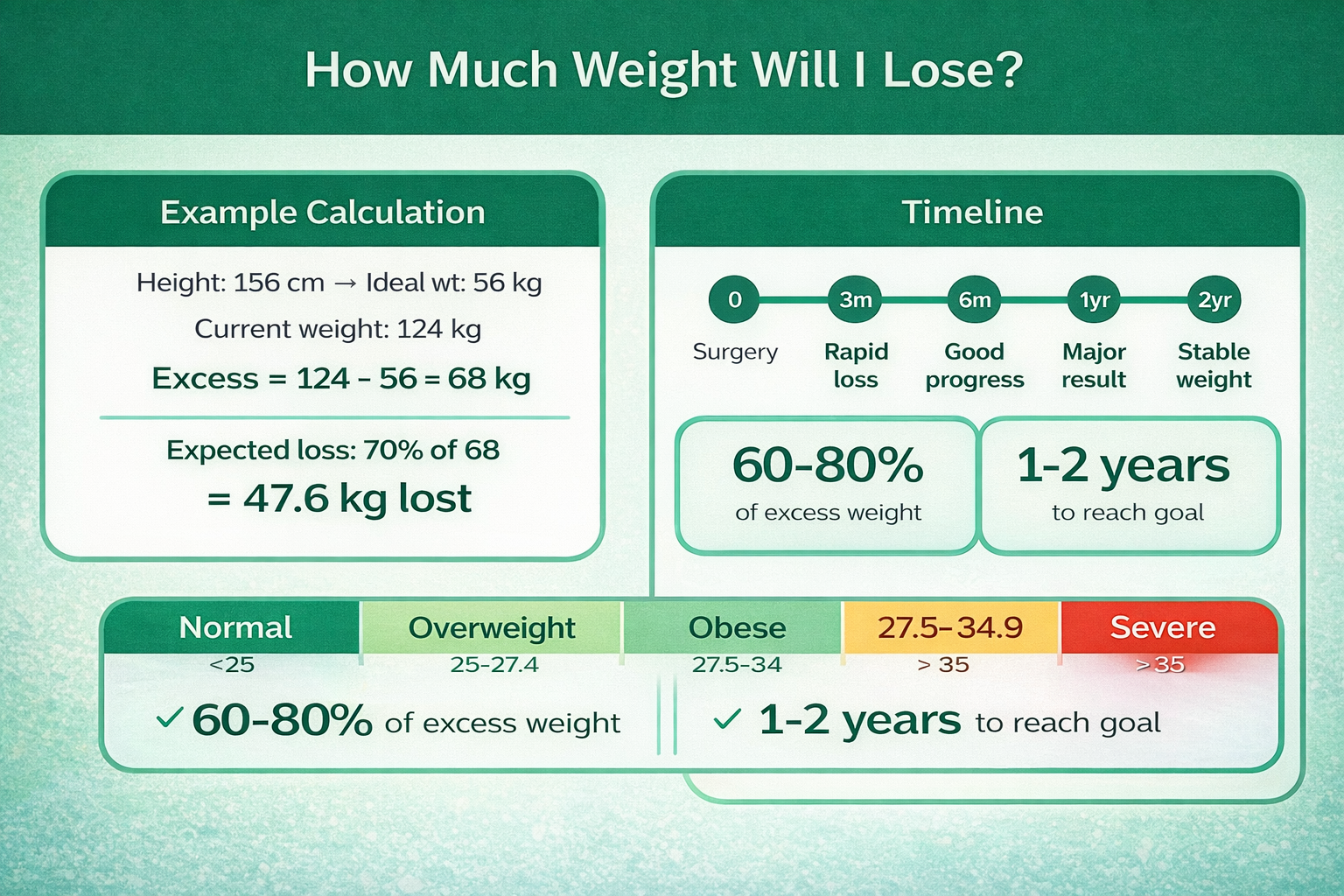
A realistic expectation is that you will lose between 60 and 80 percent of the weight you carry above your ideal body weight — not your total body weight. Here is how to think about it: first, calculate your ideal weight using a simple rule — take your height in centimetres and subtract 100. That gives you a rough ideal weight in kilograms. The difference between your current weight and that ideal number is your 'excess weight.' After surgery, you can expect to lose about 60 to 80 percent of that excess, usually over the first one to two years.
For example, imagine someone who is 156 cm tall and weighs 124 kg. Their ideal weight would be around 56 kg (156 minus 100). Their excess weight is therefore 68 kg. After surgery, they could expect to lose roughly 70 percent of that — about 47.6 kg — bringing them down to around 76 kg. The pace of weight loss varies from person to person, and there may be short periods where the scale does not move at all. These are normal 'plateaus' and not a sign that something is wrong.
The good news on long-term results is encouraging: about 80 percent of patients do not regain significant weight even after 10 years. Only a very small number — around 5 percent — return to their pre-surgery weight, and this usually happens when people stop following up with their doctors or abandon healthy eating and exercise habits.
If some weight does come back, it does not mean the surgery has failed. In most cases, it can be brought back under control by getting back on track with diet, exercise, and regular doctor visits. Only a very small percentage of patients — fewer than 5 percent — ever need a second bariatric surgery. Staying connected with your healthcare team throughout the process is one of the single biggest factors in maintaining your results long term.
6. Benefits Beyond Just Losing Weight
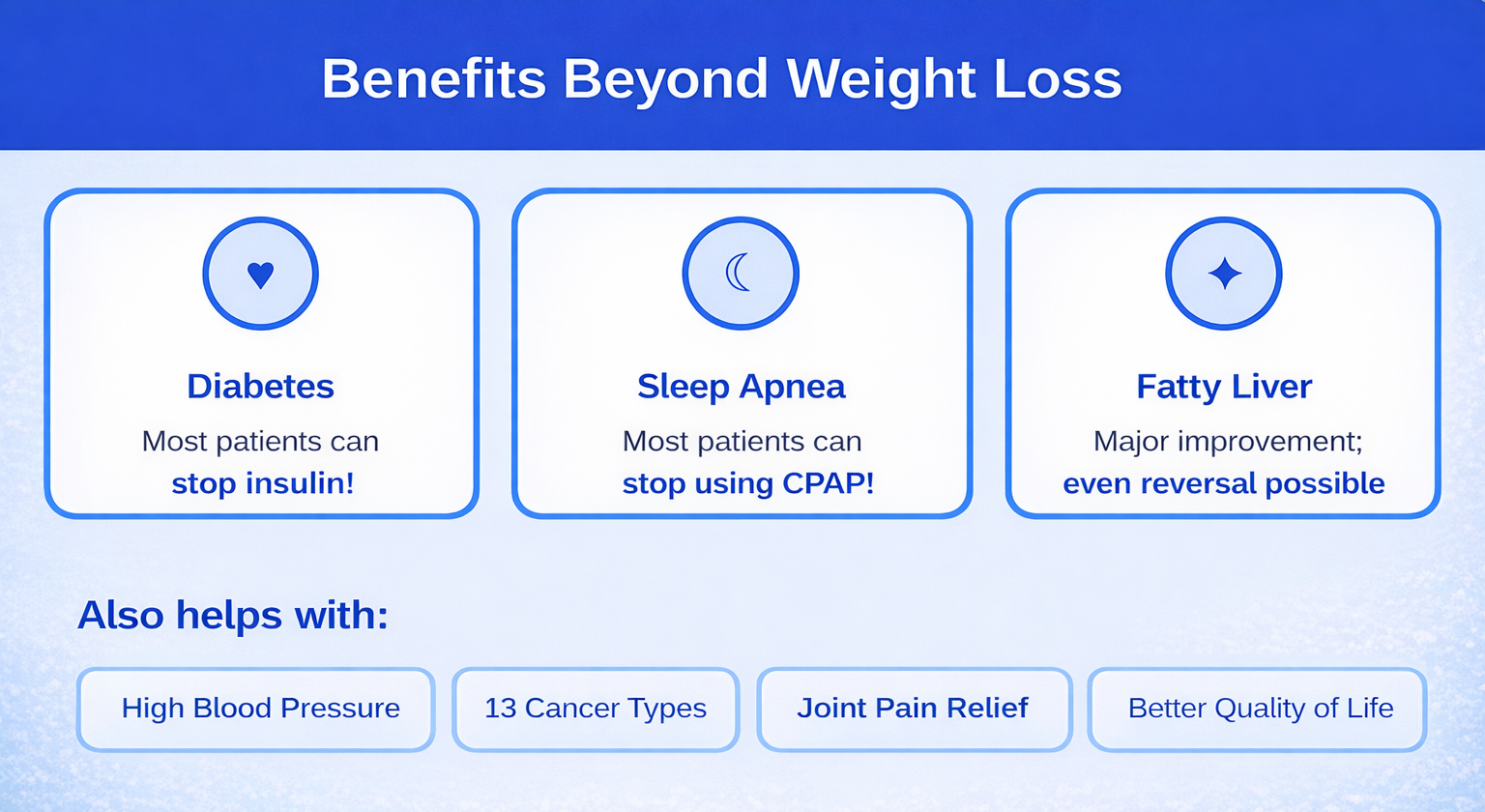
One of the most remarkable aspects of bariatric surgery is how dramatically it improves — and in many cases completely resolves — serious diseases that were caused by obesity. For many patients, surgery does not just change their weight; it transforms their overall health.
- Diabetes: This is perhaps the most impressive result. A large majority of patients with Type 2 diabetes see a complete improvement after surgery. Many are able to stop taking diabetes medication and insulin entirely — sometimes as early as the very next day after the operation. This is not just because of weight loss; the hormonal changes triggered by surgery play a direct role in improving how the body handles blood sugar. Furthermore, the patients remain off insulin and diabetic medications long-term.
- Sleep Apnea: People with sleep apnea often snore heavily, feel exhausted during the day, and may need a CPAP machine to breathe properly while sleeping. After bariatric surgery, most patients find that their sleep apnea improves so much that they no longer need the CPAP machine at all. Almost all of the patients have a resolution of their symptoms and don’t feel lethargic.
- Fatty Liver Disease: Fatty liver is a silent condition — most people do not know they have it until it causes serious damage. Bariatric surgery leads to marked improvement in fatty liver, and in some cases can even reverse liver scarring (fibrosis), something that is very difficult to achieve with medication alone.
Surgery also helps reduce blood pressure, lowers cholesterol levels, decreases the risk of heart disease, and significantly reduces the risk of developing 13 types of cancer. Patients often report a dramatic improvement in their overall quality of life — being able to move more freely, sleep better, and enjoy activities they had given up.
It is also worth noting that bariatric surgery has shown benefits for kidney disease — it can slow down or even halt the progression of chronic kidney disease in patients who already have it. For those suffering from painful osteoarthritis in their knees and hips, even a moderate amount of weight loss after surgery can dramatically reduce the load on those joints, easing pain and improving mobility. Many patients describe the months after surgery as a turning point in their life — not just physically, but emotionally and socially as well.
7. What Happens on the Day of Surgery and After?
On the morning of your surgery, you will be asked to take a shower. Your family can accompany you up to the entrance of the operation theatre, where the medical team will prepare you. An intravenous (IV) drip will be started to give you fluids and medications. Special compression devices will be placed on your legs to prevent blood clots. The surgery itself usually takes between one and two hours.
After the operation, you will be moved to a recovery area for two to three hours while the anaesthesia wears off. Once you are awake and comfortable, you will be shifted to your regular room. You will receive oxygen as a precaution, and monitors will track your heart rate, breathing, and blood pressure. Pain and nausea are managed with medication, and most patients feel quite comfortable.
The single most important thing you can do after surgery is to start walking — ideally within 5 to 6 hours. Walking, even short distances, helps prevent blood clots and keeps your lungs healthy. You will also be given a breathing device called an incentive spirometer to use several times every hour while you are awake. The next day, you will begin sipping clear liquids slowly. Most patients are discharged on the second day after surgery, feeling surprisingly well.
8. Common Questions After Surgery
Will I get loose skin? Some loose skin can develop, especially around the stomach, arms, and thighs, because the skin does not shrink as quickly as the fat beneath it. The good news is that good protein intake, staying well hydrated, and regular exercise can significantly reduce this. If loose skin does remain after you have reached your final weight — usually about two to three years after surgery — a separate plastic surgery procedure can correct it. In practice, only a small number of patients need this.
What about hair loss? Some patients do experience a period of hair thinning after surgery. This is temporary and is usually caused by not getting enough protein, iron, biotin, or zinc in the diet. With proper supplementation, hair grows back fully. This is a known phase that passes on its own — it is not permanent.
Is the surgery safe? Bariatric surgery is considered very safe. The risks of serious complications — such as a leak at the surgical site or bleeding — are each less than one percent. The risk of blood clots is less than 0.5 percent, and the medical team takes multiple precautions to prevent them. To put this in perspective, the complication rates are comparable to common surgeries like gallbladder removal or hernia repair.
Remember: Obesity is not your fault. It is a disease — and like any disease, it can be treated. Talk to your doctor. Take the first step towards a healthier life.
Contact Us – Fortis Hospital Mohali
For appointments, consultations, and diagnostic services, please contact:
📞 72728 72728
Our care team will assist you with:
Doctor appointments
Diagnostic and screening services
Health check-ups
Call now to book your appointment at Fortis Hospital, Mohali.
Categories
Clear allMeet the doctor

- General Surgery | General and Minimal Access Surgery | General Surgery
-
 5 Years
-
 1250
1250
Related Blogs
View all
Single Incision Laparoscopic Surgery (SILS) for Hernia Repair


Understanding Gallbladder Stones: Causes, Symptoms, and Treatment Options
Understanding Hernia - Causes, Symptoms, and Treatment Options

Gallstone Complications: When to Seek Medical Attention
Common Myths and Misconceptions About Bariatric Surgery

Understanding Appendicitis: Causes, Symptoms, Risk Factors & Treatment
Understanding Varicose Veins: Causes, Symptoms, Risk Factors & Treatment Options



Keep track of your appointments, get updates & more!

