
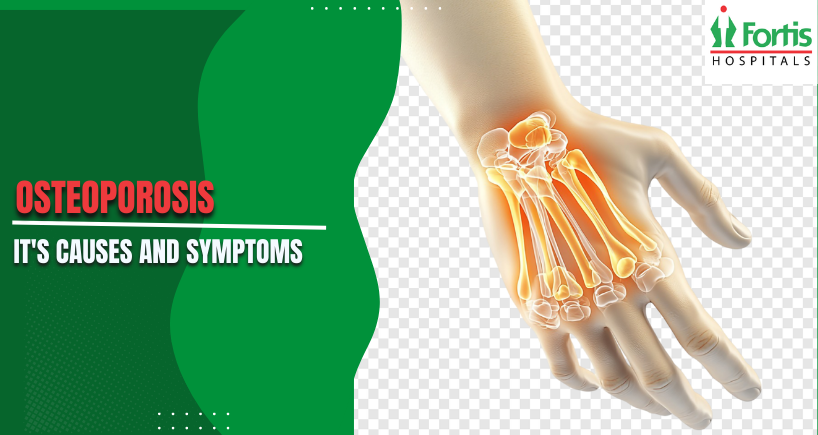


Osteoporosis: Its Causes and Symptoms
Our skeleton is the fundamental framework of our body, providing structure, support, and protection. It is easy to think of our bones as inert and unchanging, like the steel beams of a building. But the reality is far more dynamic. Your bone is a living, constantly changing tissue, always in a state of renewal. For many people, however, the delicate balance of this renewal process is disrupted, leading to a silent and progressive weakening from within. This is the world of osteoporosis.
The word itself means "porous bone," and it is a condition that can advance for years without a single sign or symptom. The first clue is often a sudden and unexpected fracture. Understanding the underlying osteoporosis causes and recognizing the subtle, often-late-stage symptoms is the first and most critical step. It is the key to shifting from a reactive response to a proactive strategy of prevention and management for this widespread condition.
What Is Osteoporosis?
To understand osteoporosis, you must first understand the natural life cycle of your bones. Throughout your life, your body is in a constant state of bone remodeling. Think of it as a continuous renovation project. Specialized cells called osteoclasts break down old, worn-out bone tissue (a process called resorption), while other cells called osteoblasts build new, strong bone tissue to replace it (formation).
During childhood and young adulthood, your body builds new bone much faster than it removes old bone. Your bone mass increases, reaching its peak density and strength around the age of 30. After this peak, the balance slowly begins to shift. The rate of bone resorption gradually starts to outpace the rate of bone formation.
Osteoporosis is what happens when this imbalance becomes significant. The body loses too much bone, makes too little bone, or both. As a result, the internal structure of the bones, which looks like a dense honeycomb in a healthy state, becomes more porous, with larger and larger holes. This loss of density and mass makes the bones weak, brittle, and much more susceptible to breaking.
The Silent Nature of Osteoporosis Symptoms
One of the most dangerous aspects of this disease is its silence. In the early stages of bone loss, there are no osteoporosis symptoms. You do not feel your bones getting weaker. There is no pain or discomfort to alert you that something is wrong. This is why it is often called a "silent disease."
The osteoporosis symptoms only become apparent after a significant amount of bone has already been lost, and the bones have become fragile. The first sign is often a fracture.
A Fracture from Minor Trauma
This is the hallmark sign of osteoporosis. A bone breaks much more easily than would be expected. These are known as fragility fractures. They can occur from a minor fall from standing height, or even from a simple action like bending over, lifting an object, or even a strong cough or sneeze. The most common sites for these fractures are the hip, the spine, and the wrist.
Loss of Height Over Time
This is one of the most classic, yet often overlooked, signs. A gradual loss of height (one inch or more) is a major red flag. This is not a normal part of aging. It is caused by multiple, often painless, compression fractures in the vertebrae of the spine. The weak bones in the spinal column begin to collapse on themselves, causing the spine to shorten.
A Stooped Posture or "Dowager's Hump"
As the vertebrae in the upper back collapse, it can cause the spine to curve forward, leading to a stooped or hunched posture. This pronounced curve, known as kyphosis, is a direct result of the structural changes in the spinal column from multiple vertebral fractures.
Sudden Back Pain
While many vertebral fractures are silent, some can cause a sudden, severe back pain that seems to have no specific cause. This can be a sign of a new vertebral compression fracture.
Unraveling the Osteoporosis Causes
The question of "what causes osteoporosis?" does not have a single answer. Your bone health is the result of a complex interplay between factors you cannot change and those that are within your control.
Unavoidable Risk Factors
Gender: Women are at a much higher risk of developing osteoporosis than men. They tend to have smaller, thinner bones to begin with, and they experience a rapid period of bone loss after menopause due to the sharp decline in the bone-protecting hormone, estrogen.
Age: The older you get, the higher your risk. Bone density naturally declines with age in both men and women.
Family History: Your risk is higher if one of your parents had osteoporosis or a history of a hip fracture. Genetics plays a significant role in determining your peak bone mass.
Body Frame Size: Individuals with small, thin body frames are at greater risk because they have less bone mass to draw from as they get older.
Modifiable Risk Factors and Causes
Hormone Levels: In addition to the post-menopausal drop in estrogen, low testosterone levels in men can also cause bone loss.
Dietary Factors: A lifelong diet low in calcium is a major contributor, as calcium is the primary building block of bone. Equally important is Vitamin D, which is essential for your body to be able to absorb that calcium.
Lifestyle Choices: A sedentary lifestyle is a significant risk factor. Weight-bearing and muscle-strengthening exercises are critical for signaling your body to build and maintain strong bones. Excessive alcohol consumption and tobacco use are also direct osteoporosis causes, as they are both toxic to bone-building cells.
Certain Medications: The long-term use of oral or injected corticosteroid medications, such as prednisone, is a well-known and significant cause of bone loss.
A Note on the Best Treatment for Osteoporosis
While this is a serious condition, it is a treatable one. The best treatment for osteoporosis is a comprehensive plan developed in partnership with your doctor. The foundation of this plan is always lifestyle-based: ensuring you get enough calcium and vitamin D through your diet or supplements, and engaging in regular weight-bearing exercise.
For many people, however, lifestyle changes are not enough. There are several classes of prescription medications that can effectively slow down the rate of bone loss or, in some cases, help to build new bone. Your doctor will recommend the best treatment for osteoporosis for you based on your bone density, your fracture risk, and your overall health.
A Proactive Partnership in Bone Health
Osteoporosis is a silent disease with potentially painful and life-altering consequences. But it does not have to be an inevitable part of aging. Understanding the causes allows you to take proactive steps to build and maintain strong bones throughout your life.
If you have risk factors for the disease, speak with your healthcare provider. A conversation about your bone health and a simple, painless bone density scan can provide you with the information you need to protect your skeleton for years to come.
Frequently Asked Questions
Q1. Is osteoporosis a normal part of getting older?
Ans. While some loss of bone density is a normal part of aging, osteoporosis is not. The severe bone loss that leads to a high risk of fractures is a medical disease that is both preventable and treatable.
Q2. Who should get a bone density test?
Ans. General guidelines recommend a bone density test (DEXA scan) for all women aged 65 or older, and for younger postmenopausal women who have significant risk factors. Men over 70 or younger men with risk factors should also consider screening. You should discuss your personal need for a test with your doctor.
Q3. Can you reverse osteoporosis?
Ans. While you may not be able to completely restore all of the bone that has been lost, treatment can be very effective. Medications can significantly increase bone density, improve bone strength, and dramatically lower your risk of having a fracture.
Q4. What is the difference between osteoporosis and osteoarthritis?
Ans. They are two entirely different conditions that are often confused. Osteoporosis is a disease that weakens the bones, making them more likely to break. Osteoarthritis is a degenerative disease of the joints, where the cartilage that cushions the joints wears away, causing pain and stiffness.
Categories
Clear allRelated Blogs
View all


Keep track of your appointments, get updates & more!

