
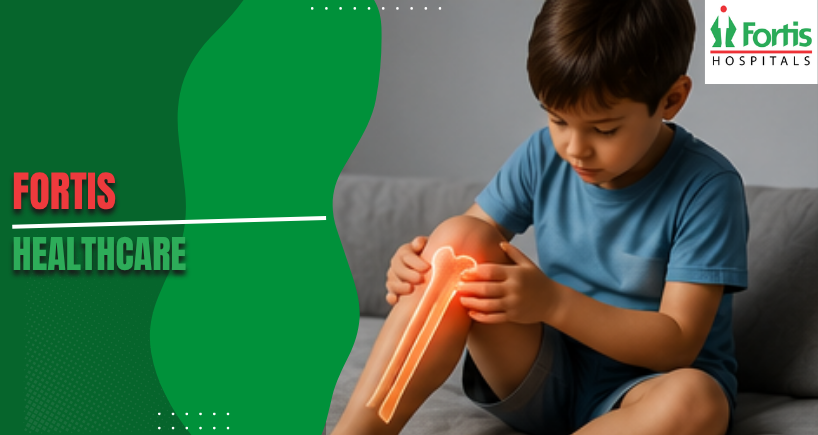


Osteosarcoma Cancer in Children: Signs Parents Must Notice
Children frequently have complaints regarding growing pains, injuries from playing sports and unexplained aches – things that most parents put down to normal childhood, especially if their children are otherwise active and appear well. However, bone pain that goes on and on can, on occasion, be a sign of something very serious which requires medical help, and not just being told everything is alright.
Osteosarcoma is the most frequent primary cancer of the bone to affect children and young people when they are growing quickly. This dangerous illness grows inside bones which are growing, and most often affects areas close to the growth plates where there is a lot of activity. If parents can recognise the early symptoms of osteosarcoma, they will be able to tell the difference between worrying signs and the usual issues children get, and this could save important time in getting treatment.
Why Growing Pains Aren't Always Just Growing Pains
Real growing pains usually happen in both legs at the same time, in the evening, and are gone by morning and don’t need anything done for them. These harmless pains rarely get in the way of what children do every day or cause obvious swelling of the areas which hurt. Parents will recognise the pattern after a number of times when it happens as expected, and doesn’t get steadily worse.
Osteosarcoma cancer, on the other hand, shows itself through pain in one place that continues, and gets progressively worse despite resting or taking normal pain killers. The pain is usually in one particular bone, not in many places at the same time, so parents will eventually notice this unevenness. Pain at night which stops children sleeping is a particularly worrying sign which shows a dangerous illness, and not the harmless discomfort related to growth.
Physical Signs That Need a Doctor’s Opinion
There are several things you can see that should make you go to a doctor quickly, rather than continuing to watch things at home. Parents often notice these things slowly, before realising how important they are as possible signs of cancer.
The main warning signs are:
- Bone pain which continues for more than two weeks and doesn’t get better with rest.
- Swelling you can see, or a lump you can feel, near joints – especially around the knees or shoulders.
- Unexplained limping or difficulty moving which affects things children were able to do normally.
- Pain which gets worse at night, or regularly stops children sleeping.
The area affected may feel warm in comparison to the skin around it, though children rarely have a temperature in the early stages of the illness. Some children have pathological fractures – where a weakened bone breaks during everyday activities which shouldn’t cause damage. These fractures happen because osteosarcoma destroys normal bone, and creates abnormal tissue which cannot deal with the normal pressures put on it.
How Osteosarcoma Grows in Bones Which Are Growing
The reasons for osteosarcoma are not fully understood, though the quick growth of bone during the teenage years creates the right conditions for a tumour to grow in people who are likely to get it. The cancer begins in primitive bone-forming cells – osteoblasts – which become dangerous during normal development. These changed cells multiply without control, creating masses of abnormal bone and soft tissue.
The most common time for it to happen is during the fast growth of the teenage years, when bones are at their most active. Taller children are slightly more at risk, which suggests that quick growth itself may help the dangerous change in people who are genetically likely to get it. Having had radiation treatment for other cancers in the past greatly increases risk, though most children who get it have no known things which make them more likely to get it, apart from normal growth.
Some genetic conditions – like Li-Fraumeni syndrome and hereditary retinoblastoma – greatly increase risk, though these are not the majority of cases. The advanced diagnostic tools available at places like Fortis Hospital, Noida, allow complete genetic testing as well as the normal scans for families who are at high risk. Most osteosarcoma is caused by genetic changes which happen during bone development, and not by problems passed down through families.
Telling Osteosarcoma Apart From Other Childhood Illnesses
Several illnesses cause symptoms like osteosarcoma, which makes it hard to diagnose and can sometimes delay the start of proper treatment. Ewing sarcoma affects bones in a similar way, but needs different chemotherapy, so it is important to tell the difference. Bone infections – osteomyelitis – cause pain and swelling which can seem like cancer, although fever and infection indicators help tell the two apart.
Harmless bone growths, such as osteochondromas, form lumps which are not cancerous, but imaging is needed to be certain of the difference. Olfactory neuroblastoma, though coming from nerve tissue and not bone, sometimes shows in the facial bones and so has to be thought of when working out what could be wrong. This unusual cancer affects the structures inside the nasal cavity, and gives different symptoms to the usual osteosarcoma – which affects long bones.
Olfactory neuroblastoma generally results in a blocked nose, nosebleeds and swelling of the face, not the pain in the limbs typical of bone sarcomas. Both illnesses, however, need strong, combined treatments, using surgery, chemotherapy and at times radiotherapy. Before treatment begins, getting an accurate diagnosis through biopsy is vitally important, as the treatments for the different childhood cancers are very different.
New Ways to Diagnose Allow for Earlier Finding
An initial look usually starts with simple X-rays, which show typical ‘sunburst’ shapes or lifting of the outer bone layer – a ‘Codman triangle’. These features on pictures show aggressive bone damage and the need for more detailed imaging using MRI to map the tumour exactly. CT scans of the lungs are essential, as osteosarcoma tends to spread to lung tissue; roughly 20% of patients have spread when first diagnosed.
A definite diagnosis needs a tissue biopsy, done by skilled surgeons who realise how important the right technique is for planning treatment. Badly done biopsies can pollute tissue areas, making later surgical removal harder and possibly making the final result worse. Blood tests measure alkaline phosphatase and lactate dehydrogenase levels, which are often high in osteosarcoma, and provide ways to see how well treatment is working.
PET scans help find distant spread of the cancer, and measure how active the tumour is, before and during treatment. Complete staging allows cancer teams to create the best treatment plans, to suit each person’s illness and their own situation.
Treatment Plans Use Many Ways to Help
Chemotherapy for osteosarcoma is the main part of current treatment, usually given before and after surgery in plans lasting 6 to 12 months in all. Chemotherapy before surgery reduces tumours and destroys tiny spread of the cancer, greatly improving the chances of saving the limb. Commonly used drugs are doxorubicin, cisplatin, methotrexate and ifosfamide, given in strong doses which need hospital stays.
Surgical removal gets rid of all the visible tumour, with wide edges of healthy tissue around the areas affected. Limb-saving operations keep the limb working, using specially made artificial replacements for the bone parts removed. Amputation is needed when the tumour involves nerves and blood vessels too much for a safe limb-saving operation.
Osteosarcoma chemotherapy goes on after surgery for several months; plans are changed depending on how the tumour responds – seen through looking at the tissue after it is removed. Those who respond well, with much tumour death, continue the planned treatment, but those who respond badly may get stronger, different treatments. Side effects include feeling sick, losing hair, bone marrow problems, and damage to organs – all of which need careful watching during treatment.
Helping Children Through Long-Term Getting Better
Recovery after surgery needs strong physiotherapy to get back strength, movement and the ability to do everyday things. Children have emotional problems adjusting to a changed body, the effects of treatment, and long times off school which affect their social growth. Psychological help is essential for both patients and families dealing with the demands of cancer treatment.
Long-term check-ups go on for years, to find any possible return of the cancer and to watch for problems from treatment, including heart damage and other cancers. Many who survive experience later effects which need continued medical help, though current treatments balance cure rates against harm better than in the past. Growing artificial limbs need regular lengthening operations to match skeletal growth, so needing several surgeries through childhood.
Survivors often go back to sports and normal life, though contact sports may need changing depending on the type of artificial reconstruction used. Five-year survival rates are now over 70% for cancer which has not spread, a wonderful improvement on results from earlier times.
Categories
Clear allRelated Blogs
View all


FAQs

Keep track of your appointments, get updates & more!

