
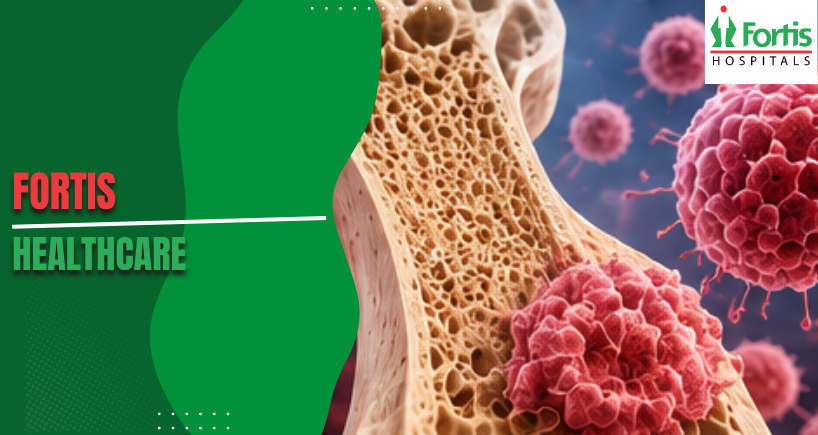


Osteosarcoma Causes: How Bone Cells Turn Cancerous
Although bones appear firm and stable, they are always being renovated via carefully arranged processes of breakdown and rebuilding. Throughout a person’s life, millions of specialised cells work in concert to replace old bone with new bone. This impressive regenerative system sometimes breaks down in a serious way, changing normal bone-forming cells into cancerous ones which then grow out of control.
The causes of osteosarcoma are complicated genetic changes during bone growth – not the kind of simple, single-gene mutations which cause some other cancers. To understand how healthy osteoblasts turn into cancer cells, we must consider a number of linked factors, including the timing of growth, genetic weaknesses, and failures in the ways cells are controlled. Such biological understandings help to explain why some children get osteosarcoma, while most get through their teens without developing any cancer.
Fast Growth Makes Conditions Good for Cancerous Change
The growth spurts of adolescence are times of greatest bone-forming activity, when osteoblasts quickly divide to make new tissue. This intense cell multiplication gives more chances for mistakes in DNA copying to build up over repeated rounds of division. Most errors are corrected by complex cellular proofreading, but a few mistakes go through without being noticed.
Osteosarcoma is most common in the teenage years – exactly when bones are growing fastest – and especially affects taller teenagers who are going through large skeletal changes. The link between the speed of growth and cancer risk suggests that fast cell division creates periods of weakness. Bones experiencing the most growth – usually around the knees and shoulders – are where tumours most often start, which further proves this link between growth and cancer.
Genetic Mutations Turn Off Normal Cell Control
Healthy cells have several safety systems to stop uncontrolled growth; the p53 protein is a key “guardian of the genome”, which finds DNA damage. When p53 finds problems, it halts cell division until repairs are done, or causes programmed cell death if the damage can’t be put right. Osteosarcoma is often caused by changes in the p53 gene which turn off this important control, letting damaged cells live and multiply.
Changes to the retinoblastoma gene are another common disruption to cell cycle control in osteosarcomas. This gene normally holds back cell division, making sure cells don’t go into growth stages too early. Loss of RB function removes these restraints, allowing uncontrolled multiplication even when there isn’t a need for cells to expand.
More mutations build up gradually, with each genetic change giving new, abnormal powers to the developing cancer cells. Some mutations allow the growth of blood vessels to feed the growing tumours, while others allow invasion of nearby tissues. Each osteosarcoma tumour has a unique pattern of mutations, although some genes are often changed in many different patients.
Inherited Genetic Conditions Greatly Increase Cancer Risk
Children with Li-Fraumeni syndrome inherit faulty p53 genes from their parents, and have a lifetime cancer risk of nearly 90% across many different types of cancer. Osteosarcoma is one common sign of this, often developing during adolescence when bone growth is at its peak. Families with these mutations need special monitoring programmes to find cancers at the earliest possible stage.
Hereditary retinoblastoma, also greatly raises the risk of osteosarcoma, particularly after radiotherapy for eye tumours in infancy. Children who survive retinoblastoma and carry germline RB mutations have a 500-times higher risk of bone cancer than the general population. Advanced genetic advice and screening programmes available at Hospitals like Fortis Memorial Research Institute In Gurgaon, Noida help high-risk families decide on monitoring strategies, and give complete multidisciplinary care when cancers do develop.
Rothmund-Thomson syndrome, Bloom syndrome, and Werner syndrome also make osteosarcoma cancer more likely through different genetic ways that affect DNA stability. These uncommon conditions make up a small number of instances; the great majority of osteosarcomas happen without warning in children, and there’s no family history to find.
Radiation treatment given for childhood illnesses – such as lymphoma, or Ewing sarcoma – harms DNA both in cancer cells and the sound tissue around them. Most cells exposed will either mend any damage, or die, but sometimes cells survive which then have alterations making them more likely to develop secondary cancers years afterwards. Osteosarcomas caused by radiation usually show up in bone which has been irradiated before, after an average wait of ten to fifteen years.
Such secondary cancers tend to be more aggressive than osteosarcomas which happen on their own, and commonly don’t respond well to the usual chemotherapy for osteosarcoma. The more radiation a person gets, the greater the risk of cancer, though there isn’t a dose which is certainly safe – below which there’s no risk at all. Modern ways of giving radiation try to limit bone exposure where they can, which brings down rates of secondary cancers when compared with older methods.
Radioactive isotopes which go to bone – and were used in the past to treat other medical problems – also raised osteosarcoma rates through direct damage to DNA. Radium watch-dial painters who swallowed radioactive stuff while working developed cancers of the bone many years later; this shows a long time can pass between exposure and the disease being shown clinically.
Why Some Bones are Where Tumours Develop First
Osteosarcomas mostly happen in the metaphysis – near growth plates – where bone is made most quickly in teenagers. The lower end of the femur – around the knee – is the most common place, then the upper end of the tibia, and the upper end of the humerus – near the shoulder. These places have the fastest growth and cell turnover, and so provide surroundings which help cancer change things.
Flat bones – like the skull or pelvis – less often develop osteosarcomas, though Paget’s disease makes cancer more likely in these places among older people. The different cell make-up of long bones and flat bones affects patterns of cancer risk with age. Symptoms of osteosarcoma are different depending on where the tumour is, with cancers of the limbs causing pain in one place, while those of the axial skeleton cause more subtle complaints to begin with.
Comparing Bone Cancer and Neural Crest Tumour Origins
Olfactory neuroblastoma comes from completely different cells than bone sarcomas, growing from neural crest cells within the nose. These cancers follow genetic routes which differ from those broken in osteosarcoma causes, and involve different genes which cause cancer and genes which stop it. Knowing these basic biological differences explains why treatments are so different for various cancers in children.
Patients with olfactory neuroblastoma rarely have the p53 or RB changes which are common in bone sarcomas, and instead have changes in genes controlling how neural cells become different, and how they develop. The cell surroundings in the sinonasal tract are very different from bone marrow, and this affects how the cancer acts and how it responds to treatment. Both cancers need strong combined treatment, though the particular chemotherapy, surgery, and radiation are different depending on the cancer’s biology.
How Cells Change Osteoblasts Into Cancer Cells
Normal osteoblasts follow carefully planned processes of becoming different, going through clear stages of maturing while making bone matrices. What causes osteosarcoma involves breaking these processes, keeping cells in early states while they still have the ability to multiply. These stopped cells make odd bone-like stuff which doesn’t have the ordered structure of healthy tissue.
Reactivating telomerase lets cancer cells divide forever without starting senescence – which normally limits how many times cells can divide. Changing how energy is made shifts production to routes which support fast growth even when there isn’t much oxygen. These build-ups change once-normal bone-building cells into aggressive cancers which can invade nearby and spread to other organs – especially the lungs, where osteosarcomas go most often.
Categories
Clear allRelated Blogs
View all






FAQs

Keep track of your appointments, get updates & more!

