
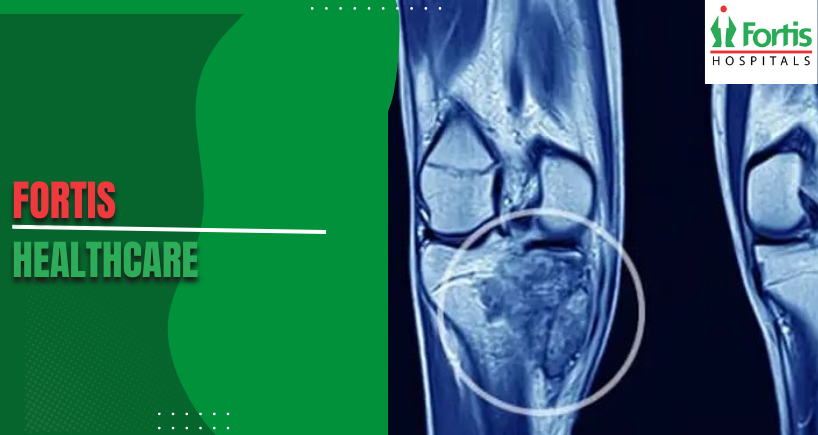


Osteosarcoma Causes: What Triggers Bone Cancer?
Parents who’ve just learned their child has cancer frequently ask the very same thing: what brought on this illness in a teenager who, only a few months before, was completely well? Knowing what happens in the body when a bone tumour forms offers answers, and also assists families in accepting that these cancers happen through chance events in cells, rather than things in lifestyle people can avoid or failings on the part of parents.
Osteosarcoma appears when bone-forming cells – osteoblasts – get genetic changes which disturb how growth usually happens. Instead of following the planned development which makes healthy bones, these cells which have been damaged multiply without control. The unusual bone which results makes the bone weaker, and brings on symptoms which in the end lead to a medical check-up and a diagnosis.
Why Genetic Changes Start Uncontrolled Bone Growth
The DNA in cells has precise instructions for how bone cells grow, divide and eventually die through natural processes. Mutations change these genetic ‘plans’, taking away the safety features which stop cells from multiplying too much. When the important genes which control growth are harmed, cells do not pay attention to signals which tell them to stop dividing, or to turn into proper bone tissue.
Scientists have found certain genetic changes linked to osteosarcoma, including changes to tumour suppressor genes – like TP53 and RB1. Normally, these genes act as ‘brakes’ in cells, stopping division when growth signals come on. Sometimes, errors when DNA is copied disable these protections, and cells with changes then grow without check. In most cases, this happens without being passed down in families; that is, families can’t use genetic tests or screening to know or stop it happening.
How Growth Spurts Raise Cellular Error Rates
Teenage bone development needs millions of cells to divide quickly to allow for large increases in height in a short time. This quicker multiplication gives more chances for mistakes in copying that could put troublesome mutations into cellular DNA. The time when most cases occur – the teenage years – links directly with the times of the most skeletal growth, when bone formation is at its highest.
The long bones most often affected are the lower femur near the knee, the upper tibia below the knee and the upper humerus near the shoulder. These areas have the most activity in the growth plates during puberty, where cartilage cells turn into hard bone by complex processes in biology. Understanding why osteosarcoma happens helps explain why teenagers are at more risk than younger children or adults who are past growing. Cells multiplying thousands of times a day are sure to sometimes have errors that get past the normal quality control which is meant to find and fix damage to DNA.
Links Between Radiation Exposure and Later Cancer Development
Previous radiation therapy for other cancers greatly raises the risk of bone cancer, years or decades after the treatment has ended. Children who had radiation for retinoblastoma, Ewing sarcoma or other cancers in childhood are more likely to be affected when their growing bones are in the area the radiation went to. Larger doses create a bigger risk in line with this, especially when exposure happens during times of active skeletal development.
Radiation in therapy damages DNA in all cells it reaches with ionising energy – including healthy bone-forming cells around areas of the primary tumour. Most cells fix this damage well, but sometimes mistakes in the fixing processes put in mutations that could in the end start osteosarcoma. The time between radiation exposure and diagnosis of bone cancer is usually ten to twenty years; this shows the time needed for genetic changes to build up and turn normal cells into malignant ones.
Inherited Conditions Which Raise Bone Cancer Risk
Some rare genetic illnesses greatly raise the chance of bone cancer by affecting genes which normally protect against tumours. Li-Fraumeni syndrome involves inherited changes to TP53 which weaken quality control in cells, whilst hereditary retinoblastoma has RB1 gene faults affecting growth regulation. Families with these conditions are at higher risk of many types of cancer, not only bone cancers. Advanced genetic testing lets doctors find people who have mutations which make them more likely to get cancer, even before the cancer starts.
Centres such as Fortis Memorial Research Institute, Gurgaon, give complete genetic advice with programmes to work out the risks for families who have inherited cancer syndromes. Doctors skilled in a range of cancers in children – including bone tumours and uncommon diseases like olfactory neuroblastoma – can improve watching for osteosarcoma, finding symptoms as soon as possible when treatment is at its best.
Environmental Factors Currently Being Investigated by Scientists
Researchers are still looking at what in the environment might affect the development of bone cancer, although there’s not much proof when compared to the effect of genes. They study possible links between contact with chemicals and viral infections, but have not found certain cause-and-effect connections. Research shows that osteosarcoma is mainly caused by accidental genetic changes, not environmental causes.
Some studies look at whether fluoride or coming into contact with weedkillers might raise risk levels. At the moment, the evidence does not show strong links needing public health action. Families shouldn’t be too worried about environmental factors, considering the large amount of evidence which shows that random genetic accidents during bone growth are the main reason for the disease.
Age Patterns Show Important Times in Development
Osteosarcoma shows clear patterns in age, showing how vulnerable people are at particular times in their development. The main time when it happens is between 10 and 20 years old, which is exactly when teenagers grow quickly and bone creation is at its highest. A smaller, second time happens in adults over 60, which is often linked to bone problems already existing rather than growth-related reasons.
Younger children very rarely get this disease before puberty begins and quickens skeletal development. This age pattern strongly backs the idea that fast cell division during growth spurts makes the chance of mutations higher. Adults who have finished growing are at little risk unless other things – like Paget’s disease or radiation – cause unusual bone rebuilding which might put genetic mistakes into cell division.
Differences Between the Sexes in How Often Bone Cancer Happens
Boys get bone cancer a little more often than girls, perhaps because of differences in how they grow and how much bone mass they build up. Men usually have longer growth spurts, getting taller and having larger skeletons. This extra bone formation gives more chances for mutations when DNA is copied.
Height is slightly linked to the risk of bone cancer, supporting the connection between how much someone grows and the disease developing. Taller people have more extensive skeletal growth, needing more cell divisions. These points strengthen the understanding that osteosarcoma mainly comes about through random events during normal development, not things families can control from outside.
Why Finding it Early Makes Treatment Work Better
Recognising osteosarcoma symptoms quickly lets doctors act earlier, before tumours grow a lot or spread to other parts of the body. First signs – such as bone pain which doesn’t go away, swelling and trouble moving – are often thought to be sports injuries or growing pains. Parents should get a medical check when discomfort goes on for more than a few weeks, even with rest and simple treatment.
Osteosarcoma chemotherapy treatments work best when started before tumours get to advanced stages, making treatment choices harder. Smaller tumours which are only in one place respond better to usual treatments than extensive disease which needs different approaches. Being able to look at images, along with biopsy proof, lets doctors make a certain diagnosis, guiding the best treatment and reducing unnecessary delays which might affect results.
Research is Still Going on to Find New Ways to Prevent it
At the moment, there are few ways to prevent it, because of the random nature of the genetic mutations which cause bone cancer. Research is aimed at finding biomarkers which show a higher risk, allowing focused watching programmes. Knowing the molecular pathways might show places to act to stop cancer changing.
Clinical trials are testing drugs to lower the risk of it coming back after treatment is finished. Scientists are looking at treatments based on the immune system, which target cancer cells whilst protecting healthy tissue from the poisonous effects of osteosarcoma chemotherapy. Although uncommon diseases like olfactory neuroblastoma need different research, advances in understanding genetic causes help many diseases through shared knowledge of how development and cancer are linked.
Categories
Clear allRelated Blogs
View all




Keep track of your appointments, get updates & more!

