


Osteosarcoma Chemotherapy: Step-by-Step Treatment Guide
Being told your child has cancer turns normal families into knowledgeable people dealing with complicated treatment plans that they would never have expected to face. Mothers and fathers suddenly have to learn words they’ve never heard of, and arrange treatment with a number of doctors who each look after a different part of their child’s illness. Knowing what happens in osteosarcoma treatment – from when it is first found to the last round of drugs – helps families get ready, in both their minds and in what they do, for the months ahead.
Chemotherapy is now the most important part of how osteosarcoma is treated, and it has greatly increased the number of people who survive, when compared with having surgery on its own, as was done years ago. This strong course of drugs is meant to kill cancer cells all over the body, and to make the main tumour smaller before it is taken out with surgery. The treatment needs a lot of dedication over many months, and needs patients to be strong, and families to give constant help through each difficult period.
Understanding Treatment Before Surgery
Chemotherapy usually starts right after the cancer is confirmed, before surgeons try to take the tumour away. This treatment before surgery has several very important aims which have a direct effect on what happens in the long term. The drugs go around the whole body, attacking any tiny cancer cells that might have moved away from the main tumour in the bone, even if scans don’t show any cancer having spread.
Making tumours smaller with chemotherapy before the operation makes taking them out with surgery safer and more successful, by reducing the size of the tumour and cutting off the blood supply to the cancerous tissue. Surgeons are able to keep more healthy bones when they operate on smaller growths that are clearly defined. How well the cancer responds to the first chemotherapy also gives doctors good information about how the patient will do, and shows whether the cancer cells react to the drugs being used.
What Drug Combinations Work Best
The usual treatments use several chemotherapy drugs given in carefully arranged groups of treatments over a number of weeks. Methotrexate, doxorubicin and cisplatin are the main drugs in most plans, and some centres add ifosfamide for patients at high risk. Each drug kills cancer cells in a different way, which makes it less likely that cancer cells will become resistant.
High doses of methotrexate need patients to be in hospital for the drug to be given and for them to be watched, because the drug reaches dangerous levels, and leucovorin is needed to prevent serious problems. Patients get fluids through a drip all the time, while doctors watch blood levels to make sure the drug is being removed from the body properly. Knowing what causes osteosarcoma helps scientists make drugs which target the cancer, though at the moment the usual treatments depend on normal chemotherapy which has been shown to work by many years of testing in hospitals.
How the First Rounds of Treatment Go, Week by Week
The first chemotherapy period usually lasts 8-12 weeks, and patients need to be admitted to hospital several times for drugs to be given, and to be watched for recovery. Patients stay in hospital for 3-5 days for each group of treatments, getting drugs through a drip all the time, while nurses check their pulse and blood test results. Between being in hospital, families manage the symptoms of osteosarcoma and the side effects of the drugs at home, and go to outpatient appointments to have their blood checked.
Extensive centres, such as Fortis Memorial Research Institute, Gurgaon, give treatment which is arranged by a team, putting together children’s cancer experts with support services dealing with what patients need to eat, controlling pain, and psychological help. These teams of different kinds of specialists make sure families get full help throughout the treatment.
Managing Physical Side Effects During Treatment
Feeling sick and being sick are the most common immediate problems patients get, starting hours after drugs are given, and possibly lasting several days. Drugs to stop sickness help control the symptoms, but some patients need several drugs to get enough relief. Eating is difficult when nothing tastes good and you feel sick, and food doesn’t seem nice.
Losing hair happens to everyone who has the usual osteosarcoma treatments, usually starting 2-3 weeks after treatment begins. Although this is upsetting because of how it looks, it doesn’t cause any physical pain and grows back completely when treatment ends. The most serious health risk is a weakening of the immune system, which makes patients likely to get infections that a healthy immune system would easily deal with. A temperature during chemotherapy needs to be checked by a doctor immediately, because bacterial infections can get worse quickly in patients who don’t have enough white blood cells to defend themselves.
When Surgery Happens - After Chemotherapy to Start With
Surgery happens after the first chemotherapy phase is complete, when the tumours have had the greatest possible effect from the drugs. Before operations, scans are done to measure how much a tumour has shrunk and to precisely show where everything is, which helps surgeons plan the operation. The surgery itself can take a very long time – hours – depending on where the tumour is and how much rebuilding is needed.
Treatments to save a limb use advanced ways to rebuild, with metal things put in, bone grafts, or made-to-order prostheses, keeping the limb working. Recovery adds weeks to the length of treatment as sores mend and people get their strength back. Because surgery on its own can’t get rid of microscopic cancer that chemotherapy can deal with, osteosarcoma treatment needs this combined method.
How Pathologists Determine if Chemotherapy is Working
The tumours removed are carefully checked by pathologists to find out what percentage of cancer cells the chemotherapy killed before the operation. People who respond well – with over 90% of the tumour having died – usually do better in the long run than those who respond poorly, and still have a lot of live cancer in the tumour. This assessment helps cancer doctors decide if they should keep using the same treatment, or make the therapy stronger for continued treatment.
If someone doesn’t respond well to the first chemotherapy for osteosarcoma, doctors might think about using different medicines, or experimental treatments in clinical trials. These choices need to be talked over carefully, balancing the chance of good results with the risk of more side effects. Families take part in these talks, thinking about the medical facts, and how people’s quality of life might be.
Chemotherapy After Recovery from Surgery
After surgery, chemotherapy is usually the same as before, and goes on for another 18-24 weeks while people get better from the operation. This later phase aims to get rid of any cancer cells that weren’t killed by the first treatment. People often find this part harder to deal with emotionally – because tiredness builds up and the newness of the treatment wears off.
Finding subtle osteosarcoma signs during follow-up lets doctors find a return of the cancer early, and change the treatment. Regular scans with chemotherapy monitor for cancer spreading to the lungs or coming back in the same place. Blood tests before each treatment make sure bone marrow is recovering well, so medicine can be given safely.
What to Expect in Recovery Between Chemotherapy Treatments
Blood counts usually go down 7-10 days after chemotherapy, then slowly get better. Energy levels go up and down with this, with patients having better days as the counts improve between treatments. It can be hard to eat well, as tastes change and favourite foods become unpleasant, and people don’t want to eat as much.
Keeping weight on needs creative ways of getting enough calories, even if people don’t feel like eating. Nutritionists suggest small meals often, with a lot of protein to help tissues mend. Some people need a tube put in temporarily to give them enough food when they can’t eat enough on their own.
Long-Term Health Checks After Treatment Ends
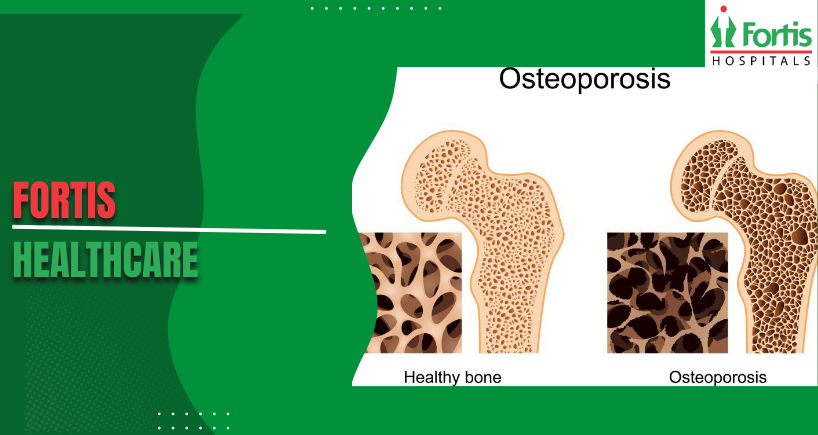
Finishing chemotherapy is a huge relief, but people are still checked for years to find any late effects or the cancer coming back. It’s important to check heart function, as doxorubicin can damage heart muscle. Hearing tests check for damage to the nerves that control hearing from cisplatin, which can happen during or after treatment. Bone density scans look at how healthy the bones are – which is affected by both chemotherapy and being less active during treatment.
The risk of getting another cancer goes up a little after intensive chemotherapy, especially for people with a family history of such conditions. Research into what causes osteosarcoma goes on, looking at genetic and environmental factors, and making survivor care better. Yearly complete health checks allow early finding of problems, and dealing with health issues that people who have survived may have years after finishing treatment for osteosarcoma or other childhood cancers like olfactory neuroblastoma.
Categories
Clear allRelated Blogs
View all






Keep track of your appointments, get updates & more!

