


Osteosarcoma: How It Affects Teens and Young Adults
Being a teenager is difficult enough, without cancer being added in. This stage of life involves working out who you are, friendships, school, and becoming more independent – all at the same time as the body goes through big physical changes. Being given a cancer diagnosis at this important time causes problems not only for a person’s physical health, but for their mental health, their relationships, and their plans for the future.
Osteosarcoma most often develops in the teenage years, when fast bone growth makes cells more likely to change in ways that cause disease. This is especially bad, as it stops young people reaching important stages in their development at the very time they are becoming independent and forming their identities. Knowing what difficulties people of different ages face, helps families, friends, and doctors give the best possible help during diagnosis, treatment and when people are getting better.
Why Adolescent Growth Spurts Increase Disease Risk
The disease is most common during puberty, when bones grow quickly to allow for big increases in height in a short space of time. Boys are most at risk between 14 and 16, but girls get osteosarcoma a little earlier – around 11 to 13 – when their growth spurts start. This link shows that there is a biological weakness during times when cells are dividing most.
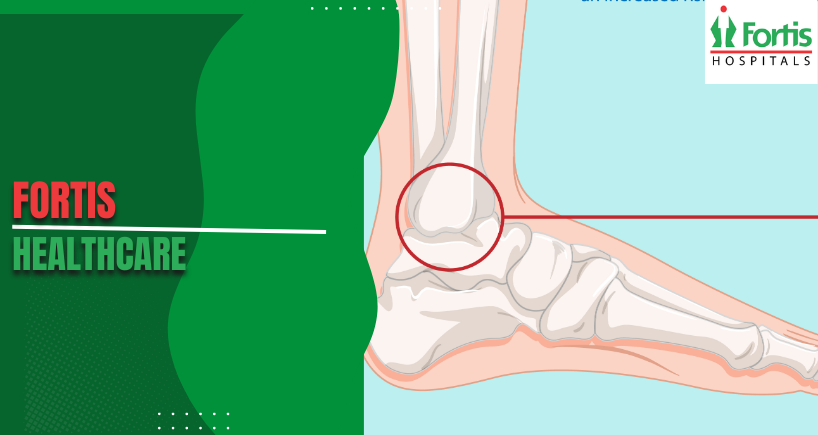
The longest bones grow most quickly near the knee, which is why the lower part of the thigh bone and the upper part of the shin bone are where tumours are usually found. It is hard to recognise the signs of osteosarcoma during these growth periods, as teenagers often have normal pains in their bones. Understanding what causes osteosarcoma helps explain this age range, although random changes in genes mean that no teenager can know if they will get the disease.
How Diagnosis Disrupts Critical Developmental Milestones
Teenagers are at the point of becoming independent and making friends who help define who they are, when cancer is diagnosed. Treatment suddenly changes this, and means parents have to become more involved, and patients might be cut off from their friends. Being in hospital and side effects from treatment stop people taking part in the normal social activities that help teenagers develop important skills in life.
Schoolwork suffers when intensive treatment means a long time away from school during important years of education. Missing months of lessons makes big holes in knowledge, which affects preparation for university. Some students find it hard to go back to school after being away for a long time, and face gaps in what they know, and problems getting back into the social side of school, when their classmates have moved on.
Physical Changes That Complicate Body Image Development
Teenagers naturally worry about how they look, as they get used to their bodies changing quickly during puberty. Osteosarcoma chemotherapy makes this worse, through visible side effects such as complete hair loss, big changes in weight, and skin changes. These changes happen when being accepted by your friends is very important for developing how you feel about yourself.
Surgery to save a limb, or amputation, causes permanent physical changes which affect how well you can move, and whether you can take part in sport – at the time when physical ability defines who a teenager is. Sports people who previously felt good about themselves because of what they did in sport, suddenly find they have permanent problems. Operations to rebuild parts of the body may leave visible scars which need ongoing adjustment throughout the rest of the years of growth.
Social Isolation During Critical Friendship Formation Years
Treatment side effects such as a weakened immune system, tiredness, and physical problems, greatly reduce opportunities for normal social contact when friendships are most important. Teenagers cannot go to parties, sporting events, or casual meetings which build friendships during important stages of development. This forced isolation happens whilst classmates become closer and have experiences together.
Many teenagers say they feel cut off from friends who cannot understand what they are going through when facing an illness which threatens their life. The difference in experience between cancer patients and healthy friends sometimes cannot be overcome, leading to friendships breaking down. Some young people find it hard to make social connections again after treatment, and find that their old friends have moved into different groups.
Educational Disruption Affecting Long-Term Opportunities
Long periods of treatment, lasting many months, greatly affect progress at school during the important years when foundations are being laid for getting into university. Missing whole terms creates gaps in knowledge which need a lot of catching up, whilst also going to medical appointments. Advanced medical centres – such as Fortis Memorial Research Institute, Gurgaon – work with school programmes to ensure students’ education goes on, although one-to-one tuition can’t truly take the place of being in a classroom.
University application dates rarely fit in with treatment, so difficult choices have to be made regarding putting higher education off. A number of students postpone entry for years, making a difference in age from those who will become their colleagues. Others go ahead with applications despite what treatment demands, possibly risking their results affecting their future employment.
Psychological Effects on Developing Personality
Teenagers, as a matter of course, consider who they are during their teenage years. Being diagnosed with cancer makes them deal with death and being vulnerable much earlier than most young people ever would. This questioning of existence happens while their friends are usually preoccupied with fairly unimportant things to do with how they look and what their social standing is.
A lot of young people with cancer say they feel more mature than their friends after treatment, as they’ve had to deal with problems which give them a more grown-up outlook than most teenagers have. Identifying osteosarcoma quickly and getting treatment changes teenagers who were previously carefree into people who are experts in healthcare, making complicated decisions about their health. This faster growing-up makes them feel separate from people of the same age, and leads to them making friends with older people.
Family Relationships Changing during the Development of Independence
Teenage years usually mean teenagers slowly becoming less reliant on their parents, as they start making more choices on their own. A diagnosis of osteosarcoma cancer turns this back around completely, meaning parents have to get much more involved in everyday care and healthcare decisions. Teenagers dislike this being made to depend on others, at the very time that they want to be able to do things for themselves.
Parents find it hard to balance what medical care is needed with what teenagers need in terms of being allowed the correct amount of independence. Brothers and sisters have difficulties when the family’s attention goes to the child who is ill, causing both real worry and resentment. These problems make treatment more difficult, and mean people have to work at keeping family relationships healthy whilst also dealing with medical problems.
Loss of Sporting Identity for Teenagers who Play Sport
A lot of teenagers get their main identity and what makes them feel good about themselves from playing sport and being in teams. Osteosarcoma affecting leg bones often means competitive sport is no longer possible, and a carefully-built sporting identity is destroyed. Teenagers who were planning to get university places through sport suddenly have to think about entirely different plans.
Even when treatment is successful, physical problems from surgery or tiredness which continues, stop people going back to their previous sporting ability. Some young people find it hard to find new things to do to replace sport. Whilst unusual cancers like olfactory neuroblastoma cause different problems, people who’ve had bone cancer share the same worries about rebuilding their identity after losing the things which defined them.
Problems with Living a Long Time After Being Cured in Young Adulthood
Being cured doesn’t mean a return to a normal teenage life, as check-up appointments, watching for long-term effects, and physical problems continue to affect daily life. Young people starting work are worried about whether their cancer history will cause discrimination. Whilst unusual illnesses like olfactory neuroblastoma cause different problems, people who’ve had bone cancer share the same concerns about relationships, being able to have children, and long-term health, all of which affect important choices throughout adult life after being diagnosed with cancer and having osteosarcoma chemotherapy when they were teenagers.
Going on dates and forming relationships are complicated when young people tell people they might go out with about their cancer. Some worry about whether chemotherapy will affect their ability to have children. Others have problems with how they see their bodies because of changes from surgery. Planning a career has to take into account the need for ongoing check-ups and possible long-term effects. These problems of being a survivor go on for a long time after treatment is finished, affecting the way people live their lives as young adults.
Categories
Clear allRelated Blogs
View all







FAQs

Keep track of your appointments, get updates & more!

