
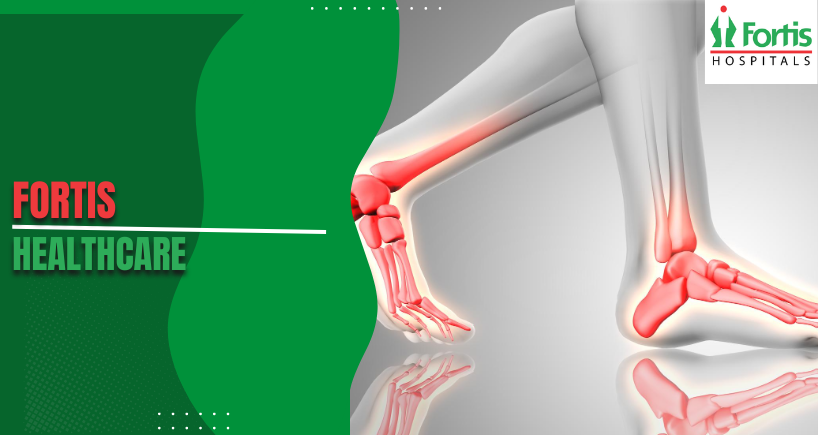


Osteosarcoma Symptoms: When Bone Pain Isn't Normal
Teenagers often have aching legs and sore joints, so it’s often hard for parents to tell if it’s just normal growing pains or something that needs a doctor’s attention. Most pain of this sort gets better on its own with rest, however certain patterns show there’s a problem which needs to be looked at quickly. Being able to see the small differences between typical teenage aches and the signs of cancer can really change how soon a diagnosis is made, and how well treatment goes.
Osteosarcoma symptoms often appear like the usual sports injuries or pain from growing, so families frequently wait weeks or months before they get medical advice. This bone cancer develops slowly, with effects that become more intense as time passes, rather than appearing suddenly. Knowing what makes normal pain different from cancerous disease assists parents in making good choices about when their child needs to be properly assessed by a professional.
Why Growing Pains Are Unlike Malignant Bone Pain
Typical growing pains affect both legs in the same way, and usually happen in the evening or at night after days when the child has been very active. These feelings get better with easy treatments like massage, heat or pain medication which can be bought without a prescription. The pain usually goes completely in hours, and children can return to their normal activities the next day with no soreness left, or limits to how they can move.
Osteosarcoma pain shows very different qualities which should make anyone immediately worried. It’s in one definite area of bone, and does not affect several places equally. The pain stays even when resting, and gets worse steadily over weeks, finally stopping a child being able to do their everyday activities and sleep well. Usual pain killers only give short-term help, and do not get rid of the basic aching feeling.
Finding Increasing Pain Patterns Which Need Looking Into
Bone pain which wakes children from sleep is a particularly worrying sign, and needs quick medical assessment. Pain at night suggests something more than simple muscle tiredness or a small injury to the skeleton. Parents may notice their child is limping in the morning, or favouring one leg all day, even though they have had enough rest.
Pain from activity which doesn’t go with rest suggests possible structural problems within the bone itself. Sports injuries normally get better after a few days or weeks of less activity, but osteosarcoma cancer pain goes on getting worse, no matter how much a child rests. Teenagers might slowly stop taking part in things they used to enjoy, because the pain makes running, jumping or taking their weight harder and harder.
How Swelling Appears With Continuing Discomfort
Noticeable lumps or swelling appear near the affected bone as tumours grow beyond where they started. These growths feel firm when touched, and don’t change size like fluid-filled swellings. Parents often find these oddities during normal physical contact when helping children to get dressed.
Stiffness in joints comes with swelling when tumours develop near the knee, shoulder or hip. The range of movement falls steadily as growths press on the tissues around them. Whilst research into what causes osteosarcoma looks at genetic and environmental factors, recognising the symptoms is more important than understanding the exact biological processes when deciding if immediate medical help is needed.
Telling Sports Injuries Apart From Basic Disease
Active teenagers often get injuries which cause bruising of bone, muscle strain, or damage to ligaments which get better on their own in weeks. These injuries usually follow definite traumatic events, like falling, being hit, or doing too much in training. Pain gets better steadily with sensible treatment including rest, putting ice on it, pressing it and raising it.
Pain from cancerous bone develops without any clear reason from injury, appearing slowly over weeks, even though there was no injury a person can remember. The discomfort doesn’t follow the healing patterns expected, and instead gets worse, despite proper treatments. Teenagers can’t find definite times when the pain began, but instead say it was a slow start, which gradually got more intense. Whilst what causes osteosarcoma is mostly unpredictable, symptom patterns are more regular and able to be recognised.
Finding Fractures Which Happen With Very Little Injury
Pathological fractures are the most advanced symptoms of osteosarcoma, showing significant weakening of bone from the tumour. Healthy, normal bones can take a lot of force, but bones weakened by cancer can break from little things – a straightforward fall, or even just an odd twist. The sudden, bad pain from a break usually makes people get medical help at once; this leads to scans that show the cancer which was already there.
These fractures happen in places where you wouldn’t normally expect to see them in young people who are simply active. The bones of the upper thigh, upper arm, and around the knee are typical places for osteosarcoma – and where these kinds of fractures, caused by the cancer, could happen. How serious the break is, given how little happened to cause it, tells doctors to look at more than just the injury itself.
When a physical examination shows things that cause worry, a full assessment includes carefully feeling for lumps, warmth and patterns of tenderness that might suggest a more serious problem. Modern diagnostic centres – like Fortis Memorial Research Institute, Gurgaon – bring together a detailed physical examination and advanced scan equipment, letting doctors make a correct diagnosis. Orthopaedic doctors can see the small differences between cancerous and non-cancerous problems, and this guides what tests they should do.
A reduced ability to move a joint during the exam means the joint itself, or the soft tissue around it, is being pressed on by a growth. Weakness in the arm or leg develops if a tumour is stopping muscles working properly, or interfering with nerves. These things doctors find, add to what the patient tells them about the pain, and give a complete idea of what’s going on, to help decide what to do next.
How Scans Help Prove What Is Suspected
Normal x-rays are the first scans, and show changes in the bone which are typical of a cancer growing. Radiologists who are good at their job recognise patterns of bone being destroyed, and new bone being made, which look very different from normal injuries or harmless growths. These first scans lead to more detailed scans, to find out how far the disease has spread, before treatment is planned.
MRI scans show soft tissue much better, and clearly show the limits of the tumour – and how it relates to the structures around it. CT scans check for cancer spread to the lungs. Getting a full picture of the disease through several scan types means doctors can properly describe the disease before starting osteosarcoma chemotherapy, or surgery to deal with both the local problem and any spread.
Why Finding it Early Makes a Big Difference
Smaller tumours which are still in the original bone respond better to normal treatments than larger disease that has spread to nearby tissues. Being diagnosed early allows doctors to do surgery to save the limb – keeping a working arm or leg – and avoid amputations which sometimes have to be done in more advanced cases. Starting chemotherapy and surgery quickly reduces the risk of cancer spreading to other parts of the body, making treatment more difficult.
If diagnosis is delayed, tumours can grow to be very large – possibly over eight centimetres. Larger lumps need more aggressive surgery, which has a higher risk of problems. Knowing when osteosarcoma symptoms need checking helps families avoid unnecessary delays that can make the long-term result worse.
Helping to Make A Correct Diagnosis
Giving doctors a full history of symptoms helps them tell the difference between cancer and harmless problems. Parents should write down when the pain started, where it is, how strong it is, and how well it responds to any treatment they have tried. This information guides the decisions about what tests to do – whether to scan at once, or to wait and see.
Teenagers sometimes downplay symptoms so they don’t miss out on things, or to avoid worrying their parents. Asking them directly about whether their sleep is affected, whether they can’t do what they want to do, and how bad the pain is, helps doctors see how much the symptoms are really affecting them. Good communication between families and doctors makes sure that worrying signs get the attention they need. Knowing about all kinds of childhood cancers – including bone tumours, and rare conditions like olfactory neuroblastoma – helps medical staff recognise symptom patterns that need a thorough investigation.
Categories
Clear allRelated Blogs
View all








FAQs

Keep track of your appointments, get updates & more!

