


PDA Device Implantation - How the Procedure Closes a Patent Ductus Arteriosus
A patent ductus arteriosus (PDA) is a congenital heart condition that, while it may sound alarming, is often treatable through a minimally invasive procedure using a specialized closure device. Understanding how this procedure works can help parents and patients approach this treatment with greater clarity and confidence.
This guide explains what a PDA is, why closure is often recommended, and how the device implantation procedure works from start to finish.
What Is a Patent Ductus Arteriosus?
The ductus arteriosus is a normal blood vessel connection present in every baby before birth, allowing blood to bypass the developing lungs, which aren't yet needed for oxygen exchange in the womb. This vessel normally closes on its own within the first few days after birth as the baby's circulation adapts to breathing air.
When this vessel doesn't close as expected, it's called a patent (meaning open) ductus arteriosus, allowing blood to flow abnormally between two major blood vessels, which can place extra strain on the heart and lungs if left untreated, particularly if the opening is large.
PDA is more common in premature infants, though it can occur in full-term babies and, if small and without symptoms, is sometimes discovered incidentally later in childhood or even adulthood.
Understanding this basic anatomy helps make sense of why closure, when recommended, addresses a genuinely identifiable structural issue rather than a vague or uncertain diagnosis.
Why Closure Is Often Recommended
A significant PDA can cause the heart to work harder than necessary, potentially leading to symptoms like poor growth, difficulty feeding, rapid breathing, or fatigue in infants, and in adults, symptoms like breathlessness or fatigue with exertion.
Even when a PDA isn't causing obvious symptoms, closure is often recommended to prevent longer-term complications, including increased risk of heart failure or a condition called pulmonary hypertension that can develop from prolonged abnormal blood flow patterns.
Very small PDAs without associated symptoms may sometimes be monitored rather than immediately closed, with the decision made based on the specific size, symptoms, and individual patient circumstances.
How Device Closure Differs from Surgery
Historically, PDA closure required open-heart surgery, but device closure, a minimally invasive catheter-based procedure, has become the preferred approach for most patients with suitable anatomy, avoiding the need for a surgical incision into the chest.
This shift reflects broader trends in cardiology toward less invasive treatment options wherever technically feasible, offering reduced recovery time and hospital stay compared to traditional surgical closure.
How the Device Closure Procedure Works
Pre-Procedure Evaluation
Before the procedure, imaging such as echocardiography confirms the PDA's size and characteristics, helping the cardiology team select the appropriate device size and confirm that catheter-based closure is a suitable approach.
Catheter Insertion and Device Placement
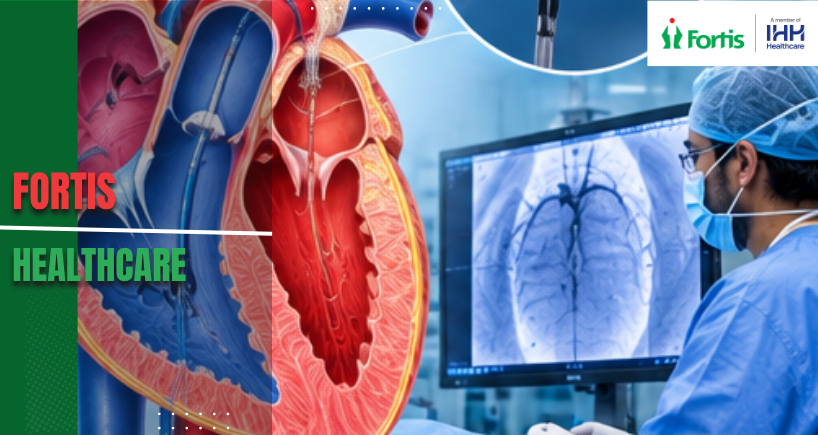
Under sedation or general anesthesia, a thin catheter is inserted through a blood vessel, typically in the groin, and guided using imaging to the location of the PDA, where a specially designed closure device is deployed to seal the abnormal opening.
Confirming Successful Closure
Once the device is positioned, imaging confirms it's correctly placed and effectively closing the PDA before the catheter is withdrawn and the procedure is completed.
What Recovery Typically Looks Like
Most patients undergoing device closure can go home within a day or two, given the minimally invasive nature of the procedure, a significant contrast to the longer recovery typically needed after open surgical closure.
Follow-up echocardiograms are scheduled to confirm the device remains correctly positioned and the PDA remains successfully closed, with most patients experiencing excellent, lasting results from this procedure.
Who Is a Candidate for Device Closure?
Most patients with a PDA suitable for closure, particularly those with appropriate anatomy and adequate size for the specific devices available, are candidates for this minimally invasive approach rather than surgery.
Very small infants, particularly premature babies with very small blood vessels, or those with unusual PDA anatomy, may sometimes still require surgical closure if catheter-based device closure isn't technically feasible for their specific situation.
Moving Forward with Confidence
PDA device closure represents a well-established, minimally invasive solution for a common congenital heart condition, offering excellent outcomes with considerably less recovery burden than traditional surgery. Understanding this procedure can help parents and patients feel more informed and reassured when this treatment is recommended.
Categories
Clear allMeet the doctor

- Cardiac Sciences | Interventional Cardiology
-
 10 Years
-
 1500
1500
Related Blogs
View all








FAQs
What is a patent ductus arteriosus?
It's a blood vessel connection present before birth that normally closes after birth but sometimes remains open, requiring treatment.
Is PDA device closure safer than surgery?
Device closure is minimally invasive with shorter recovery, generally preferred over surgery when a patient's anatomy is suitable.
How long is recovery after PDA device closure?
Most patients go home within a day or two, with a notably shorter recovery period compared to traditional surgical closure.
Can all PDAs be closed with a device instead of surgery?
Most can, though very small infants or unusual anatomy may still require surgical closure in certain specific cases.

Keep track of your appointments, get updates & more!

