


Pediatric Sarcoma Treatment Long Term Benefits of Proton Therapy for Children
A cancer diagnosis in a child changes how every decision is weighed. Survival is the first priority, but it is never the only one. Parents and clinicians think years ahead, sometimes decades, because a child cured of sarcoma still has a long life to live. Treatment choices made early can shape growth, learning ability, organ function, and overall quality of life far into adulthood. That is where proton therapy has begun to matter more in pediatric sarcoma care.
Sarcomas often arise in bones or soft tissues close to vital organs, the brain, spine, lungs, or growing joints. Treating them requires precision. Conventional radiation can control disease, but it also exposes healthy, developing tissues to unnecessary radiation. In children, that exposure carries long-term consequences. Proton therapy offers a different way to deliver radiation, one that aligns better with the realities of a growing body.
Why Sarcomas in Children Need a Different Approach
Pediatric sarcomas behave differently from adult cancers. They tend to grow quickly, but children also tolerate intensive treatment better. At the same time, children are more vulnerable to radiation damage because their tissues are still developing. Bones are growing, organs are maturing, and the nervous system is forming critical connections.
Radiation that passes through healthy tissue can disrupt these processes. Effects may not appear immediately. Growth asymmetry, learning difficulties, hormonal imbalance, cardiac or lung issues often surface years later. This delayed risk is one reason pediatric oncology has steadily moved toward treatments that spare normal tissue as much as possible.
Understanding Proton Therapy in Simple Terms
Proton therapy is a form of radiation treatment that uses protons instead of X-rays. The key difference lies in how the radiation dose is delivered inside the body. Traditional radiation enters the body, passes through the tumor, and continues beyond it, depositing dose along the way. Protons behave differently. They release most of their energy at a specific depth, then stop.
This physical property allows proton therapy to deliver a high dose to the tumor while reducing exposure to surrounding tissues. For children, this difference is not subtle. It directly affects long-term safety.
Proton therapy does not replace surgery or chemotherapy. It works alongside them, usually after tumor removal or when surgery is not fully possible. The goal is local control without sacrificing future health.
Why Proton Therapy Matters More in Pediatric Sarcoma
Sarcomas in children often arise in challenging locations. Tumors near the skull base, spine, pelvis, or chest leave little room for error. Even a small reduction in radiation exposure to nearby organs can translate into meaningful long-term benefit.
Key advantages include:
- Lower radiation dose to developing organs
- Reduced exposure to growth plates in bones
- Better protection of the brain, heart, lungs, and kidneys
- Lower cumulative radiation burden over a lifetime
These benefits are not theoretical. Long-term follow-up data increasingly supports reduced late effects in children treated with proton therapy compared to conventional radiation.
Long-Term Benefits That Matter to Families
Preserving Growth and Physical Development
Radiation to bones and joints can impair growth, leading to limb length differences or spinal curvature. Proton therapy allows clinicians to shape radiation fields more precisely, reducing dose to growth plates. For children with sarcomas near limbs or the spine, this precision can make a significant difference in physical development.
Protecting Brain and Cognitive Function
Sarcomas near the head and neck raise concerns about learning, memory, and attention. Children’s brains are highly sensitive to radiation. Even moderate exposure can affect school performance years later. By limiting unnecessary radiation to healthy brain tissue, proton therapy lowers the risk of cognitive decline and supports better long-term educational outcomes.
Reducing the Risk of Secondary Cancers
Children cured of cancer, face a lifelong risk of radiation-induced secondary malignancies. This risk increases with higher exposure to healthy tissues. Because proton therapy reduces stray radiation, it lowers the overall dose the body receives. Over decades, this reduction matters. It is one of the most compelling arguments for proton therapy in pediatric oncology.
Safeguarding Heart and Lung Health
Chest wall and mediastinal sarcomas place the heart and lungs at risk during radiation. Even small doses can contribute to future cardiac disease or reduced lung capacity. Proton therapy helps spare these organs, which supports long-term cardiovascular and respiratory health.
How Treatment Planning Differs for Children
Pediatric proton therapy planning is meticulous. Imaging is used to map not only the tumor but also critical organs and growth zones. Treatment teams include pediatric oncologists, radiation oncologists, medical physicists, and anesthesiologists when needed.
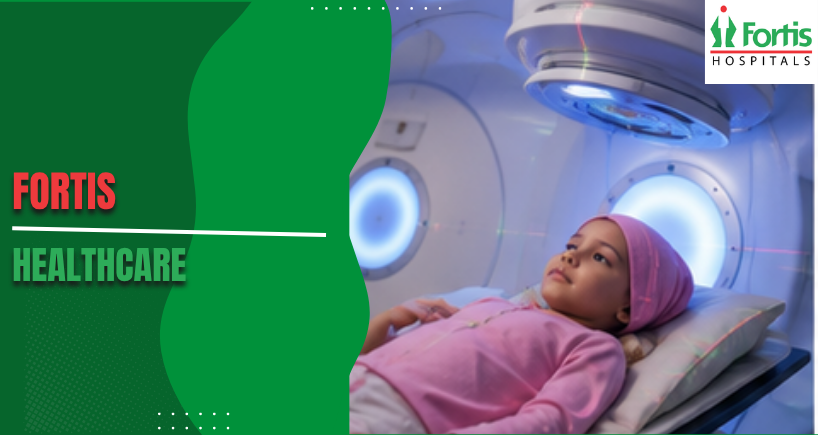
Young children may require mild sedation to remain still during sessions. This is handled carefully, with safety protocols designed specifically for pediatric patients. Treatment itself is painless. The child does not feel the radiation.
Sessions are typically short and repeated over several weeks, depending on tumor type and stage. Parents often find that once routines are established, children adapt quickly.
Safety and Side Effects
Proton therapy is generally well tolerated. Short-term side effects depend on the tumor location and may include:
- Mild skin irritation
- Temporary fatigue
- Local discomfort near the treatment area
These effects are usually less severe than with conventional radiation. Importantly, the reduced dose to surrounding tissues lowers the risk of long-term complications, which is a central goal in pediatric care.
- Comparing Proton Therapy With Conventional Radiation
- Aspect
- Conventional Radiation
- Proton Therapy
- Radiation beyond tumor
- Significant
- Minimal
- Risk to growing tissues
- Higher
- Lower
- Long-term side effects
- More common
- Reduced
- Secondary cancer risk
- Higher
- Lower
This comparison highlights why proton therapy is often considered when available, especially for children expected to live many decades after treatment.
Addressing Common Questions From Parents
Parents often ask whether proton therapy is experimental. It is not. Proton therapy has been used for years and is supported by growing clinical evidence, particularly in pediatric cancers. Others worry about access or cost. While proton therapy can be more expensive upfront, the potential reduction in long-term health complications may offset costs over time.
Some families ask whether proton therapy is appropriate for every sarcoma. The answer is no. Each case is evaluated individually. Tumor type, location, stage, and available surgical options all influence the decision.
Where Proton Therapy Fits in Modern Pediatric Oncology
Proton therapy represents a shift in thinking. The focus is not only on curing cancer but on how children live after treatment. Pediatric sarcoma treatment has become as much about survivorship as survival.
It is important to note that proton therapy is also used in adult cancers, including proton therapy for prostate cancer and other sites. However, the long-term benefit profile is particularly strong in children because of their developmental vulnerability and long life expectancy.
Moving Forward With Informed Care
For families facing pediatric sarcoma, understanding treatment options brings a measure of control during an overwhelming time. Proton therapy offers a way to treat aggressively while protecting the future. It does not eliminate risk, but it reduces unnecessary harm.
Decisions should be made within a multidisciplinary pediatric oncology team that considers both immediate tumor control and long-term outcomes. Asking how treatment choices affect growth, learning, and organ health years down the line is not secondary. It is essential.
Proton therapy is not just about precision at the moment. It is about giving children the best chance to grow into healthy adults after cancer, with fewer reminders of the treatment they needed early in life.
Categories
Clear allRelated Blogs
View all








Quick Enquiry Form
FAQs

Keep track of your appointments, get updates & more!

