
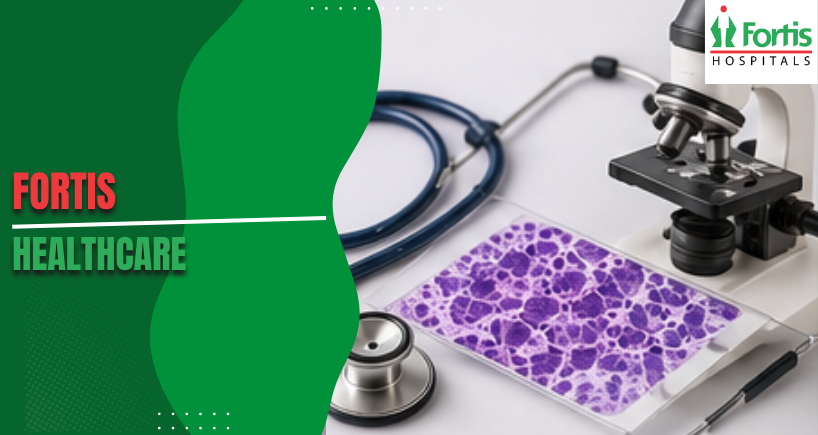


Pleomorphic Rhabdomyosarcoma: Diagnosis and Management
A sudden swelling in mature muscle tissue often presents an unexpected clinical challenge. These unusual anatomical changes emerge quietly during your routine daily activities. Patients frequently ignore these early physical warnings before seeking professional medical guidance.
Understanding how these specific cellular mutations develop fundamentally alters your entire medical journey. You will discover exactly how specialists evaluate and treat these complex soft tissue structures today. Knowledge remains your absolute strongest asset during this demanding physical ordeal.
Identifying the Primary Affected Demographics
Medical professionals observe distinct demographic patterns when tracking these unusual cellular growths globally. Finding rhabdomyosarcoma in children occurs much more frequently than in older patient populations. The biological triggers causing these physical changes vary significantly across different life stages.
Mature individuals confront entirely different internal structural hurdles during their diagnostic medical journey. Discovering rhabdomyosarcoma in adults frequently involves complex underlying cellular mutations requiring highly customised strategies. Mature human muscle tissue always heals significantly slower than developing physical tissue naturally.
Analysing Specific Cellular Subcategories
Pathologists carefully categorise soft tissue abnormalities using highly specific microscopic cellular structures. Identifying distinct rhabdomyosarcoma types accurately guides your entire therapeutic strategy. Correct pathological classification heavily dictates the complete clinical intensity of your upcoming medical interventions.
A highly specific variant called pleomorphic rhabdomyosarcoma primarily affects older adults exclusively. This unique cellular presentation differs drastically from an embryonal rhabdomyosarcoma typically found in youth. Understanding these crucial microscopic differences helps your medical specialists anticipate potential physical complications accurately.
Recognising Initial Physical Warning Signs
Spotting unusual rhabdomyosarcoma symptoms early dramatically improves the overall clinical outlook. A generally firm lump resting deep within the large skeletal muscles represents the most frequent physical indicator. This peculiar localised swelling typically feels completely firm when pressed gently by a physician.
These expanding masses gradually exert significant pressure against your sensitive adjacent peripheral nerves. The mounting internal compression gradually generates noticeable physical discomfort during routine daily movements. Your affected bodily region might soon experience unusual weakness or restricted physical mobility overall.
Contrasting Other Aggressive Tumour Variations
Medical professionals must distinguish this specific condition from other aggressive biological profiles carefully. An alveolar rhabdomyosarcoma presents different clinical management challenges for dedicated oncology teams. These abnormal cells multiply rapidly within the larger muscle groups of the human body.
Your dedicated clinical team requires absolute precision when categorising these complex internal structures. Proper identification directly dictates the complete surgical approach required for your physical recovery. This vital laboratory data allows specialists to predict how the growth will likely behave.
Executing the Comprehensive Diagnostic Pathway
Accurate disease identification begins with a highly thorough physical examination by your doctor. Specialists order advanced imaging studies to visualise the affected anatomical areas clearly. High resolution magnetic resonance imaging produces incredibly detailed internal physiological pictures for comprehensive review.
Confirming the presence of a true rhabdomyosarcoma strictly requires a direct tissue biopsy. A pathologist evaluates the extracted cellular sample under powerful microscopic magnification. Accessing multidisciplinary clinical expertise establishes a highly definitive clinical path forward for every affected patient.
Accessing Specialised Clinical Evaluation Centres
Older patients frequently possess other underlying chronic health conditions simultaneously during initial diagnosis. These existing medical factors strongly necessitate a highly cautious approach toward aggressive clinical interventions. Your medical team evaluates your current physical strength before recommending specific active therapies.
Comprehensive evaluation at facilities provides essential diagnostic technology. Your dedicated medical professionals will carefully determine the exact extent of any cellular spread. This highly structured collaborative approach ensures optimal therapeutic planning today.
Formulating Customised Surgical Extraction Strategies
Removing the abnormal tissue entirely remains a fundamental clinical goal for your dedicated surgeons. Highly skilled operative professionals carefully extract the primary tumour whilst actively preserving healthy surrounding structures. Protecting delicate adjacent peripheral nerves requires extraordinary operative medical precision today.
The precise bodily location of the cellular growth heavily dictates overall operative surgical complexity. Removing mature tissue growths requires distinctly tailored operative techniques from your knowledgeable medical providers. Surgeons sometimes encounter highly active abnormal growths completely entangled with vital internal bodily organs.
Executing Systemic Pharmacological Therapy Protocols
Aggressive cellular expansion absolutely demands a measured pharmacological response from knowledgeable medical providers. Systemic chemotherapy uses carefully calibrated medications to safely target rapidly dividing microscopic cells. Your dedicated oncology team formally utilises highly specific chemical approaches systematically across treatments.
Specialists meticulously adjust chemical dosages to minimise severe physical adverse reactions properly. Treating rhabdomyosarcoma cancer frequently requires combining several distinct therapeutic agents together simultaneously. This multifaceted chemical approach effectively prevents the abnormal cells from developing severe medication resistance over time.
Integrating Focused Radiation Application Methods
Localised energy treatments complement systemic medications and precision surgical procedures effectively. Modern radiation oncologists utilise incredibly sophisticated clinical technology to target the cellular tumour accurately. This highly focused energetic approach heavily damages the delicate internal genetic structure of mutated cells.
This specific therapeutic intervention shrinks large internal tumours prior to complex operative surgery. Your dedicated medical team carefully calculates the exact radiation dosage required for your unique bodily composition. Patients usually attend multiple short energetic treatment sessions spread across several consecutive medical weeks.
Managing Intensive Therapy Physical Challenges
Rigorous medical interventions produce temporary physical challenges requiring careful clinical management daily. Your providers proactively prescribe supportive medications to minimise severe digestive discomfort thoroughly and effectively. Maintaining adequate daily physical nutrition becomes an absolute medical priority during demanding bodily treatment phases.
Severe physical fatigue frequently accompanies extended periods of highly intensive chemical therapy. Patients must heavily prioritise adequate restorative night sleep to support their struggling human immune systems. Gentle daily physical movement frequently helps maintain basic structural muscle tone during extended recovery periods.
Tracking Critical Rehabilitation Recovery Milestones
Your dedicated rehabilitation team creates a structured pathway toward complete physical restoration. Specific therapeutic milestones help clinical specialists accurately measure your ongoing bodily recovery process. Following this incredibly detailed medical guidance ensures you successfully regain your essential physical strength securely.
Your physical therapist closely evaluates your progress during every single scheduled medical session. They carefully adjust your personalised exercise routine to match your steadily improving physical capabilities. This dedicated professional guidance actively prevents accidental bodily injuries during your highly vulnerable physical recovery phase.
Addressing Emotional Health During Clinical Interventions
Confronting a complex medical diagnosis creates significant emotional strain for everyone closely involved. Mental health professionals always provide essential coping strategies during the entire active treatment process. Proper psychological support strongly helps patients process their valid fears resiliently.
Support groups seamlessly connect individuals facing remarkably similar complex medical challenges within the local community. Sharing personal experiences with others actively helps reduce the profound sense of isolation. This collaborative approach creates the most supportive environment possible for your continued physical healing journey.
Monitoring Long Term Cellular Health Outcomes
Completing your primary treatment schedule marks a profound transition in your ongoing medical journey. Your clinical team immediately establishes a comprehensive medical surveillance program moving forward. Regular sophisticated imaging scans actively help your doctors identify any potential microscopic cellular return.
Patients must consistently report any unusual physical symptoms to their dedicated healthcare team promptly. Attending every single scheduled follow up appointment ensures your continued bodily stability over time. Your dedicated healthcare providers will carefully monitor your major organ function periodically.
Analysing the Role of Nutritional Support
Proper hydration plays a critical role in flushing cellular debris away naturally today. Drinking adequate daily fluids actively prevents severe physical fatigue whilst managing common digestive disturbances effectively. A registered clinical dietician suggests specific oral dietary supplements bridging remaining nutritional gaps safely.
Maintaining optimal body weight becomes difficult during intensive chemical medical treatments globally. Powerful pharmacological medications frequently alter your sense of taste and reduce overall appetite significantly. Consuming small frequent meals often digests much easier than attempting large traditional dining portions.
Exploring Innovative Clinical Research Studies
The global medical community continuously searches for novel ways to defeat highly complex diseases. Ongoing clinical trials rigorously evaluate entirely new pharmacological compounds against standard treatment protocols. These structured scientific studies occasionally provide eligible patients with exclusive early therapeutic access.
Researchers currently investigate advanced targeted therapies blocking exact biological signals driving abnormal muscular growth. Patients participating in these vital studies contribute significantly to medical advancements everywhere. This essential clinical research continuously improves global medical protocols for future generations facing similar challenges.
Enhancing Microscopic Diagnostic Capabilities
Modern diagnostic tools continuously evolve to provide greater clarity for complex tissue analysis. Pathologists utilise highly specialised chemical stains to identify precise microscopic cellular structures accurately. This advanced laboratory technology dramatically improves overall diagnostic confidence for your attending medical professionals.
The biological landscape of soft tissue abnormalities requires extensive ongoing medical observation. Your specialists continuously update their clinical knowledge through structured global medical conferences annually. This dedicated commitment to continuous learning directly benefits your highly personalised therapeutic care plan.
Transitioning Back to Daily Physical Activities
Adapting to these significant physical changes requires profound personal patience and dedicated time. Your body expends enormous internal energy repairing delicate tissues damaged during aggressive clinical interventions. Respecting your unique physical limitations fundamentally accelerates your overall natural bodily healing timeline.
Your medical journey continues actively even after formal hospital treatments officially conclude completely. Maintaining honest communication with your dedicated specialists ensures you receive appropriate ongoing support. This highly collaborative partnership effectively facilitates your safest transition back into normal daily activities.
Categories
Clear allRelated Blogs
View all







FAQs

Keep track of your appointments, get updates & more!

