


Pleomorphic Rhabdomyosarcoma: A Rare Adult Cancer Explained
A continuing swelling in a muscle is often a worry, as most soft tissue growths in adults are unusual and often not well understood. If tests show pleomorphic rhabdomyosarcoma, the result can be strange, even for people familiar with rhabdomyosarcoma in general.
It’s really important to be sure we understand this – how this rare kind of cancer develops, the reason it usually isn’t seen until adulthood, and in what ways it differs from other rhabdomyosarcomas; this lets patients have good discussions with their doctors, and decide on treatment in a way that makes sense.
Understanding What Pleomorphic Rhabdomyosarcoma Is
Pleomorphic rhabdomyosarcoma grows from fully developed skeletal muscle cells which change abnormally after tissues are fully formed. Unlike the kinds seen in childhood – which begin in muscle still growing – this form is the result of changes in muscle fibres that are already there.
Because of this origin, the growth usually appears in large muscles like the thighs, shoulders, or upper arms. The way it grows can be different, and the growth might not be noticed at first if it is deep inside the muscle.
Although it is part of the wider rhabdomyosarcoma group of cancers, pleomorphic growths act differently from other types. As they’re so rare, they are usually treated in specialist centres that have experience with soft tissue sarcomas.
Why It Is Primarily Seen In Adults
The biology of adult muscle is unlike that of growing muscle. With time, natural repair processes become less good, and built-up genetic changes can allow abnormal cells to stay alive instead of being repaired.
This is why pleomorphic growths are most often talked about when discussing rhabdomyosarcoma in adults, and not in children. It hardly ever develops in early life because the cell environment is different during growth.
In contrast, growths seen as rhabdomyosarcoma in children usually come from muscle cells that are not yet fully developed and are involved in growth. This difference explains why age plays such a large role in how the disease appears and acts.
How It Differs From Other Subtypes
Doctors classify soft tissue growths carefully as behaviour varies between subtypes. Pleomorphic growths are thought of as biologically different from childhood forms like embryonal rhabdomyosarcoma, which usually develops from muscle cells in early growth.
Alveolar rhabdomyosarcoma – a further type – is usually seen in young adults and will generally grow in a different pattern. Being aware of these differences enables doctors to assess the degree of severity of a tumour, and the best course of treatment.
Understanding these distinctions helps patients follow talks about what might happen, and treatment plans, without being confused.
Where Tumours Commonly Develop
Pleomorphic growths typically develop within the substantial skeletal muscles responsible for movement and supporting body weight; the thighs represent the most frequent location, followed by the upper arms and the torso.
As the growths are able to develop quite deeply inside muscle, they may well go undetected until they become big enough to result in clear swelling or discomfort. At times, the growth can be solid, though not causing pain, during its initial phase.
The position of the growth is a key factor in determining the correct course of treatment, notably where growths are near nerves, or circulatory structures.
Recognising Early Warning Signs
The rhabdomyosarcoma symptoms are frequently a hard mass which gradually increases in size; this lump may not cause pain initially, and so a medical appointment could be put off.
With the growth becoming larger, pain, restricted movement, or pressure on close structures could arise. Any persistent swelling that continues to grow should invariably be evaluated by a doctor.
Symptoms are able to vary, however, recognising slight alterations aids the possibility of prompt diagnosis, and a better plan for treatment.
How Diagnosis Is Confirmed
Checking usually starts with a physical examination, followed by scans like an MRI or CT scan. These tests help work out the size, depth, and relationship of the growth to the tissues around it.
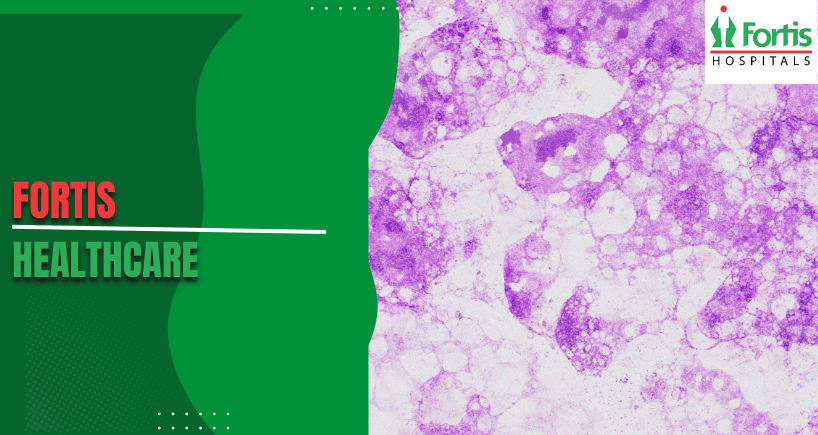
A biopsy is required and important to confirm the diagnosis and to tell pleomorphic growths apart from other soft tissue cancers. Looking at it under a microscope shows the typical cell features which guide treatment choices.
Once confirmed, staging tests see if the growth has spread beyond where it started. This step is important as it decides what the best treatment is.
Treatment Approaches And Care Planning
Typically, if the growth is able to be removed without trouble, having an operation is the principal way to treat it. The goal is complete removal of the growth, but with care to save as much surrounding muscle and nerve as is feasible, in order to prevent loss of ability.
Depending on how aggressive the growth is and how far it has gone, doctors could suggest chemotherapy; this is to manage any very small amounts of the disease that might be left from the operation. Radiation therapy might, too, be given when appropriate to lower the odds of the growth’s reappearance.
Because people react differently, treatments are designed for each individual. Having surgeons, oncologists and rehabilitation staff work in concert guarantees all-inclusive treatment.
Recovery And Rehabilitation
Recovery does not end when treatment is finished. Follow up care focuses on looking for the growth coming back, and helping physical recovery after surgery or radiotherapy.
Physiotherapy may help get back strength and movement, especially when surgery involves large muscle groups. Rehabilitation plays a key part in helping patients return to daily activities gradually and safely.
Emotional recovery is just as important. Getting used to life after cancer treatment often takes time, and help from healthcare people can make the change easier.
Long Term Outlook
What happens next will rely on a number of factors – the growth’s dimensions, the point at which it is discovered, and how well it reacts to care. Generally, a prompt diagnosis leads to better outcomes, as therapy can be started while the condition is not yet advanced.
Scheduled check-ups give physicians the ability to monitor general wellbeing and detect any developments quickly. Improvements in imaging and operative techniques consistently enhance the distant prospects of people who are given a diagnosis of uncommon soft tissue tumours.
Being aware of the need for consistent monitoring empowers patients to participate in their treatment and feel secure while they are getting better.
Living With Greater Awareness
A diagnosis involving a rare growth can feel too much at first, but clear information helps build understanding. Learning how pleomorphic growths are different from other muscle cancers gives reassurance and supports making sensible choices.
With diagnosis in good time, treatment made for the person, and regular follow up, many people continue active lives after therapy. Being aware of changes to the body and regular medical checks remain important parts of long term health after treatment for rhabdomyosarcoma.
Categories
Clear allRelated Blogs
View all









FAQs

Keep track of your appointments, get updates & more!

