
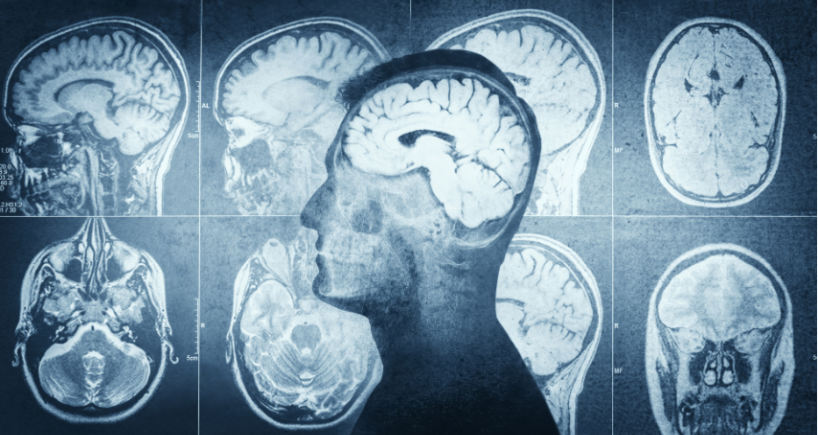


Post-Op Protocols That Drive Better Outcomes After Endoscopic Brain Surgery
Medicine Made Simple Summary
Successful recovery after endoscopic brain surgery depends not only on the surgery itself but also on following strict post-operative protocols. These include hospital care, wound management, nasal hygiene, activity restrictions, diet adjustments, and long-term monitoring. Patients who follow these guidelines typically experience smoother recovery, fewer complications, and better long-term outcomes. This guide explains the critical post-op steps, highlights common challenges, and shares patient insights to help families prepare for the recovery journey.
Why Post-Op Protocols Matter
Even the best surgery can fail to deliver good results if recovery protocols are not followed. The brain is delicate, and even small issues like infections, improper wound care, or ignoring activity restrictions can affect long-term outcomes. Surgeons emphasize post-op protocols because they reduce risks, speed recovery, and improve the overall quality of life after surgery.
Immediate Recovery in the Hospital
The first 48–72 hours after surgery are crucial. Patients are monitored closely in the ICU or recovery ward. Key aspects include:
1. Monitoring vital signs such as heart rate, oxygen levels, and blood pressure.
2. Neurological checks every few hours to track brain function.
3. Pain management using prescribed medications.
4. Nasal care for endonasal procedures, including saline sprays and decongestants.
5. Preventing infections with antibiotics when necessary.
6. Encouraging early but safe mobilization (walking with assistance).
Wound and Nasal Care After Surgery
For patients who undergo endonasal endoscopic surgery, nasal care is essential:
1. Use saline sprays to keep nasal passages moist and reduce crusting.
2. Avoid blowing the nose for at least 2–3 weeks to prevent cerebrospinal fluid (CSF) leaks.
3. Follow scheduled nasal endoscopy check-ups for cleaning and monitoring healing.
4. Report persistent nasal discharge or headaches, which may indicate complications.
For surgeries involving small scalp incisions:
1. Keep the wound clean and dry.
2. Avoid scratching or applying non-prescribed ointments.
3. Attend follow-up visits for suture or staple removal.
Activity Restrictions During Recovery
Patients often feel better within weeks, but rushing into normal activities can be dangerous. Restrictions typically include:
1. No heavy lifting (>5 kg) for at least 6 weeks.
2. Avoid strenuous exercise or bending forward (which increases brain pressure).
3. Do not drive until cleared by a doctor.
4. Limit screen time if experiencing headaches or vision issues.
5. Get adequate rest but avoid lying flat for long periods.
Diet and Hydration for Healing
Nutrition plays a vital role in healing. Post-op dietary advice often includes:
1. Soft foods in the first week for patients with nasal surgery.
2. High-protein diet (eggs, pulses, dairy) to support healing.
3. Hydration with water and electrolyte-rich fluids.
4. Avoiding excessive caffeine and processed foods.
5. For pituitary surgery patients, monitoring salt intake due to hormone-related imbalances.
Medications and Hormone Monitoring
Some patients, especially after pituitary surgery, require lifelong hormone replacement therapy. Important aspects include:
1. Taking prescribed medications on time.
2. Regular blood tests to monitor hormone levels.
3. Reporting symptoms like extreme thirst, fatigue, or unexplained weight changes.
4. Carrying a medical ID card if on hormone replacement (e.g., cortisol or thyroid medication).
Follow-Up Care and Monitoring
Follow-up visits are critical to ensure healing and detect complications early. They usually include:
1. First follow-up within 7–10 days for wound/nasal check.
2. MRI scans at 3–6 months to check for tumor regrowth or fluid buildup.
3. Regular vision tests for patients with tumors near the optic nerve.
4. Endocrinology visits for hormone management.
5. Annual check-ups even after full recovery to detect late recurrences.
Warning Signs That Need Immediate Attention
Patients and families should be alert for red flags that require urgent medical care:
1. Sudden severe headache.
2. Persistent nausea or vomiting.
3. Clear fluid dripping from the nose (possible CSF leak).
4. Vision changes or double vision.
5. Unusual drowsiness, confusion, or seizures.
6. High fever or signs of infection at the wound site.
Patient-Shared Tips for Smoother Recovery
Patients often share practical tips on forums and support groups:
1. Keep your head elevated while sleeping to reduce pressure.
2. Use a humidifier to ease nasal dryness.
3. Break tasks into smaller steps to avoid fatigue.
4. Arrange for help with cooking and household chores.
5. Stay patient—healing takes weeks to months, not days.
Role of Rehabilitation and Counseling
Recovery is not only physical but also emotional. Many patients benefit from:
1. Physiotherapy to regain balance and strength.
2. Occupational therapy to ease return to work and daily activities.
3. Counseling or support groups to manage anxiety and depression.
4. Vision therapy for patients with optic nerve involvement.
Long-Term Lifestyle Adjustments
After brain surgery, some patients need to adapt their lifestyle for long-term health:
1. Avoid smoking and excessive alcohol.
2. Prioritize sleep and stress management.
3. Maintain a balanced diet and exercise routine.
4. Stay consistent with medical check-ups.
5. Educate family members about your condition for better support.
Conclusion
If you or your loved one is preparing for endoscopic brain surgery, discuss post-op protocols in detail with your neurosurgeon. Ask about activity restrictions, follow-up schedules, and warning signs. Planning recovery in advance ensures smoother healing and reduces the risk of complications. Remember, following the right post-op care can make a life-changing difference in your outcome.
Categories
Clear allMeet the doctor

- Neurosurgery | Neurosurgery
-
 16 Years
-
 1200
1200
Related Blogs
View all

Head Injury: Better Be Safe Than Sorry
Traumatic Brain Injury: Symptoms, Causes and Management



FAQs

Keep track of your appointments, get updates & more!

