
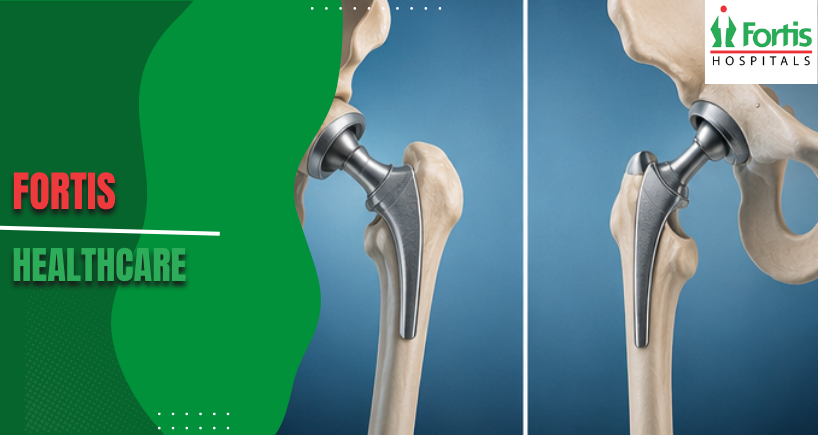


Posterior vs Direct Anterior Approach Hip Replacement in Young Patients
Hip replacement is no longer limited to older adults. Young and active patients may also require hip replacement because of conditions such as avascular necrosis (AVN), post-traumatic arthritis, inflammatory joint disease and developmental hip problems.
For these patients, choosing the right surgical approach can be an important part of treatment planning. Two commonly used techniques are the posterior approach and the Direct Anterior Approach (DAA) hip replacement.
The Direct Anterior Approach is a muscle-sparing technique that reaches the hip joint through an interval between muscles rather than routinely detaching major muscles to access the joint. It may offer advantages such as earlier mobilisation and potentially lower dislocation rates in appropriately selected patients.
However, the best approach depends on the patient's anatomy, diagnosis, previous surgeries, bone quality, body habitus and the surgeon's experience with the technique.
Dr. Pulak Vatsya performs Direct Anterior Approach hip replacement at Fortis Escorts Hospital, Okhla, with consultations at StepUp Joints, Lajpat Nagar, New Delhi.
Why Does the Surgical Approach Matter in Young Patients?
Hip replacement in a young patient has a different set of priorities compared with hip replacement in an older individual.
A younger patient may expect to return to:
- Work and professional activities
- Walking and everyday mobility
- Exercise and fitness
- Cycling and swimming
- Recreational activities
- An active family and social life
The surgical approach determines how the hip joint is accessed and which surrounding tissues are affected during the procedure. Muscle preservation and early rehabilitation can therefore be particularly relevant for young, active patients.
The goal is not simply to replace the damaged hip joint but also to help the patient regain comfortable, functional movement and return to daily activities safely.
Why Are Young Patients Likely to Need Hip Replacement?
Several conditions can damage the hip joint at a relatively young age.
Avascular Necrosis (AVN)
Avascular necrosis occurs when the blood supply to the femoral head becomes compromised, eventually causing bone damage and collapse.
Risk factors can include prolonged or significant corticosteroid exposure, excessive alcohol consumption, certain medical conditions and previous trauma. AVN is an important cause of hip pain and arthritis in younger adults.
Post-Traumatic Arthritis
Previous fractures, dislocations or other significant hip injuries can damage the joint surface and eventually lead to arthritis.
Inflammatory Conditions
Conditions such as rheumatoid arthritis and ankylosing spondylitis can affect the hip joint and, in advanced cases, may lead to severe pain and loss of movement.
Developmental Hip Conditions
Some patients have structural abnormalities of the hip that may remain manageable during childhood but contribute to progressive joint damage and arthritis during adulthood.
For younger patients with advanced hip disease, hip replacement may become necessary when pain, stiffness and reduced function significantly affect quality of life.
What Is the Posterior Approach to Hip Replacement?
The posterior approach is one of the most established techniques used for total hip replacement.
In this approach, the surgeon accesses the hip joint from the back of the hip. The procedure involves working through the tissues around the joint, including the short external rotator muscles, which are repaired at the end of surgery.
The posterior approach has been used extensively and has demonstrated excellent long-term outcomes when performed appropriately.
Following surgery, patients may receive temporary precautions depending on the surgical technique, implant choice and surgeon's rehabilitation protocol. These may include avoiding certain positions or movements during the early healing period.
What Is Direct Anterior Approach Hip Replacement?
The Direct Anterior Approach (DAA) accesses the hip joint from the front.
One of its key features is that the surgeon works through an anatomical interval between muscles rather than routinely cutting major muscles to reach the hip joint. This muscle-sparing approach may help facilitate early mobilisation and rehabilitation.
DAA hip replacement can be particularly attractive to active patients because it may allow earlier return to everyday activities in appropriately selected cases.
However, DAA is a specialised technique and is not suitable for every patient. Patient anatomy, previous operations, hip deformity, body habitus and the surgeon's experience all need to be considered.
Posterior vs Direct Anterior Approach Hip Replacement: Comparison
Important: Recovery times and restrictions vary from patient to patient. The surgical approach is only one factor affecting recovery and outcome.
Is Direct Anterior Approach Better for Young Patients?
For an appropriately selected young and active patient, DAA can provide several potential advantages.
1. Muscle Preservation
The Direct Anterior Approach works through an intermuscular plane and is designed to minimise disruption of major muscles around the hip.
Preserving muscle function can be particularly valuable for patients who want to return to an active lifestyle.
2. Early Mobilisation
Many patients undergoing DAA hip replacement are able to stand and begin walking soon after surgery, provided they are medically fit and meet the rehabilitation team's criteria.
Early mobilisation can support functional recovery and help patients regain independence sooner.
3. Potentially Fewer Movement Precautions
Depending on the surgical technique, implant positioning and surgeon's protocol, patients undergoing DAA may not require the same traditional posterior hip precautions.
This can make activities such as sitting, getting into a chair and moving around the home more convenient during early recovery.
4. Potentially Lower Dislocation Risk
Research suggests that the Direct Anterior Approach can be associated with a lower risk of dislocation in some patient groups. However, the risk is influenced by several factors, including implant positioning, soft-tissue condition, patient characteristics and surgical technique.
5. Earlier Return to Normal Activities
Some patients experience a faster early recovery after DAA hip replacement. However, the time required to return to work, driving, exercise and sports depends on the individual patient's recovery and occupation.
Why Dr. Pulak Vatsya Uses the Direct Anterior Approach for Eligible Patients
Dr. Pulak Vatsya specialises in Direct Anterior Approach hip replacement and uses the technique for appropriately selected patients.
For young and active patients, the potential benefits of muscle preservation, early mobilisation and reduced early restrictions can make DAA an attractive option.
However, there is no single surgical approach that is ideal for every patient.
Patients with complex hip anatomy, previous hip surgery, severe deformity, certain body habitus considerations or other clinical factors may benefit from a different surgical approach.
The decision should therefore be made after a detailed clinical examination, imaging assessment and discussion between the patient and the treating orthopaedic surgeon.
Recovery After DAA Hip Replacement
Recovery after Direct Anterior Approach hip replacement varies according to the patient's age, overall health, diagnosis, muscle strength and rehabilitation progress.
A typical recovery pathway may include:
Day of surgery:
Standing and walking may begin on the same day in suitable patients.
First 1–2 days:
Walking with support, stair practice where appropriate and discharge planning.
First few weeks:
Progressive improvement in walking, daily activities and physiotherapy exercises.
Around 2–4 weeks:
Some patients with desk-based occupations may be able to return to work, depending on their recovery.
Around 6 weeks and beyond:
Activities such as driving, swimming or cycling may be resumed when the patient has adequate strength, mobility and medical clearance.
Around 3–4 months:
Many patients can progressively return to more demanding physical activities, subject to their surgeon's advice.
These are general milestones rather than fixed timelines. Patients should follow their individual rehabilitation plan and avoid returning to high-impact activities until cleared by their surgeon.
Does Hip Replacement Last Long Enough for a Young Patient?
Implant longevity is an important consideration when hip replacement is performed at a younger age.
Modern hip replacement implants can provide long-lasting results, but their lifespan varies according to factors such as implant design, activity level, body weight, bone quality, surgical technique and patient age.
Importantly, the surgical approach itself does not determine how long a hip replacement will last. Both anterior and posterior approaches can achieve excellent long-term outcomes when the appropriate implant is selected and the surgery is performed correctly.
Regular follow-up and maintaining a healthy activity level can also contribute to the long-term success of a hip replacement.
Consult Dr. Pulak Vatsya for DAA Hip Replacement in Delhi
Young patients often have specific expectations from hip replacement, including early mobility, restoration of function and the ability to return to an active lifestyle.
The Direct Anterior Approach can be an excellent option for appropriately selected patients, particularly when muscle preservation and early rehabilitation are important goals.
Dr. Pulak Vatsya specialises in Direct Anterior Approach hip replacement and evaluates patients individually to determine the most appropriate surgical approach.
For consultation regarding DAA hip replacement for young patients:
Fortis Escorts Hospital, Okhla, New Delhi
StepUp Joints, Lajpat Nagar, New Delhi
Categories
Clear allMeet the doctor

- Orthopaedics | Orthopaedics | Orthopaedics and Joint Replacement | Robotic and Computer navigated Joint reconstruction | Sports Medicine
-
 10 Years
-
 1500
1500
Related Blogs
View all








FAQs
Is DAA better than posterior approach for young patients?
For most young, active patients, DAA offers faster recovery, no movement restrictions, and better muscle preservation. Dr. Pulak Vatsya prefers DAA for eligible young patients at Fortis Escorts Hospital, Okhla, while noting the posterior approach remains excellent in select cases.
Can young patients walk the same day after DAA hip replacement?
Yes. Because DAA is muscle-sparing, most of Dr. Pulak Vatsya's young patients walk the same day or the next morning, with no movement restrictions.
Why do young patients need hip replacement?
Common causes include avascular necrosis (AVN), post-traumatic arthritis, and inflammatory conditions. AVN linked to steroid use is especially common in young Indian patients. Dr. Pulak Vatsya evaluates and treats these at Fortis Escorts Hospital, Okhla, and StepUp Joints, Lajpat Nagar.
Who performs DAA hip replacement for young patients in South Delhi?
Dr. Pulak Vatsya specialises in Direct Anterior Approach hip replacement at Fortis Escorts Hospital, Okhla, with consultations at StepUp Joints, Lajpat Nagar. He trained in DAA at AIIMS New Delhi and Tokyo Sports & Orthopaedic Centre, Japan.

Keep track of your appointments, get updates & more!

