


Precision Robotic Joint Surgery - How Technology Is Changing Joint Replacement Procedures
Joint replacement surgery has come a long way from its earlier days, and one of the most notable recent advances is the integration of robotic-assisted technology into procedures like knee and hip replacement. Understanding how this technology actually works, and what it means for patients, can help demystify what's often described in fairly technical terms.
This guide explains what precision robotic joint surgery involves, how it differs from traditional joint replacement techniques, and the specific benefits this technology may offer patients.
As with any medical technology, understanding both its genuine strengths and its appropriate limitations helps set realistic, well-grounded expectations.
What Is Robotic-Assisted Joint Surgery?
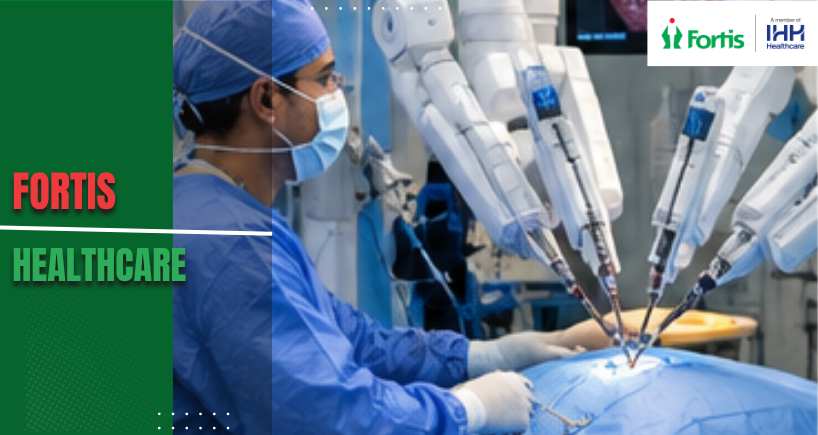
Robotic-assisted joint surgery uses a robotic arm system, guided by detailed pre-surgical imaging and controlled throughout by the surgeon, to help achieve highly precise bone preparation and implant positioning during joint replacement procedures.
It's important to understand that the robot doesn't perform surgery independently; rather, it serves as a precision tool that the surgeon actively controls, providing enhanced accuracy and real-time feedback throughout the procedure.
This technology has been increasingly adopted for knee and hip replacement procedures, with ongoing expansion into other joint applications as the technology continues to mature.
How the Technology Works
The process typically begins with detailed pre-surgical imaging, such as a CT scan, used to create a personalized 3D model of the patient's specific joint anatomy. This model allows the surgical team to plan the exact implant size, positioning, and alignment before entering the operating room.
During surgery, the robotic arm system helps guide bone preparation according to this personalized plan, with built-in safety boundaries that alert the surgeon if instruments move outside the planned surgical area, adding an additional layer of precision beyond what's achievable through visual assessment alone.
Throughout the procedure, the surgeon maintains full control, using the robotic system as a sophisticated guidance tool rather than ceding decision-making to the technology itself.
This combination of detailed pre-planning and intraoperative precision represents the core value proposition of robotic-assisted joint surgery.
Potential Benefits of Robotic-Assisted Surgery
Enhanced Precision in Implant Positioning
Precise implant alignment is associated with better joint function and potentially longer implant lifespan, making this enhanced accuracy clinically meaningful rather than simply a technical refinement.
Personalized Surgical Planning
Because planning is based on each patient's specific anatomy rather than standardized measurements, robotic-assisted approaches can better accommodate individual anatomical variations.
Potential for Reduced Soft Tissue Trauma
Some studies suggest robotic-assisted techniques may help preserve more surrounding soft tissue during the procedure, potentially supporting a smoother early recovery period for some patients.
Real-Time Intraoperative Feedback
The system provides continuous data during surgery, allowing the surgeon to make fine adjustments and verify positioning before finalizing implant placement, adding a valuable verification step to the procedure.
Is Robotic Surgery Right for Everyone?
While robotic-assisted joint surgery offers genuine advantages, it's not necessarily the right choice for every patient or every situation. Traditional joint replacement techniques, performed by experienced surgeons, also achieve excellent outcomes for the vast majority of patients.
Your surgeon can help assess whether robotic-assisted surgery offers meaningful benefit for your specific joint condition, anatomy, and overall surgical goals, rather than assuming the technology is automatically the superior choice in every case.
What to Expect If You Choose Robotic-Assisted Surgery
The overall surgical experience, including anesthesia, hospital stay, and general recovery process, remains largely similar to traditional joint replacement, with the primary difference being the enhanced precision tools used during the procedure itself.
Recovery expectations, physiotherapy requirements, and rehabilitation timelines are generally comparable between robotic-assisted and traditional joint replacement approaches, since much of the recovery process depends on your body's own healing rather than the surgical technique alone.
Questions to Ask Your Surgeon
If you're considering robotic-assisted joint replacement, ask your surgeon about their specific experience with this technology, how many robotic-assisted procedures they've performed, and whether they believe this approach offers particular benefit for your specific case.
Understanding the reasoning behind a specific technology recommendation, rather than assuming newer automatically means better, helps you make a genuinely informed decision about your surgical care.
A Continuing Evolution in Joint Care
Robotic-assisted joint surgery represents a meaningful step in the ongoing evolution of orthopedic care, offering enhanced precision tools that support experienced surgeons in delivering excellent outcomes. As this technology continues to develop, it's likely to play an increasingly prominent role in joint replacement procedures moving forward.
Frequently Asked Questions
Does robotic surgery mean the robot performs the operation?
No, the surgeon controls the entire procedure; the robotic system serves as a precision guidance tool, not an independent operator.
Is recovery faster with robotic-assisted joint surgery?
Recovery timelines are generally similar to traditional surgery, though some patients may experience a somewhat smoother early recovery.
Is robotic joint surgery more expensive than traditional surgery?
It can involve additional costs due to specialized equipment, so discussing this with your hospital and surgeon beforehand is worthwhile.
Who is a good candidate for robotic-assisted joint replacement?
Many joint replacement patients can be candidates; your surgeon can assess whether it offers specific benefit for your individual case.
This article is for informational purposes only and is not a substitute for professional medical advice, diagnosis, or treatment. Always consult a qualified doctor.
Categories
Clear allRelated Blogs
View all









FAQs

Keep track of your appointments, get updates & more!

