
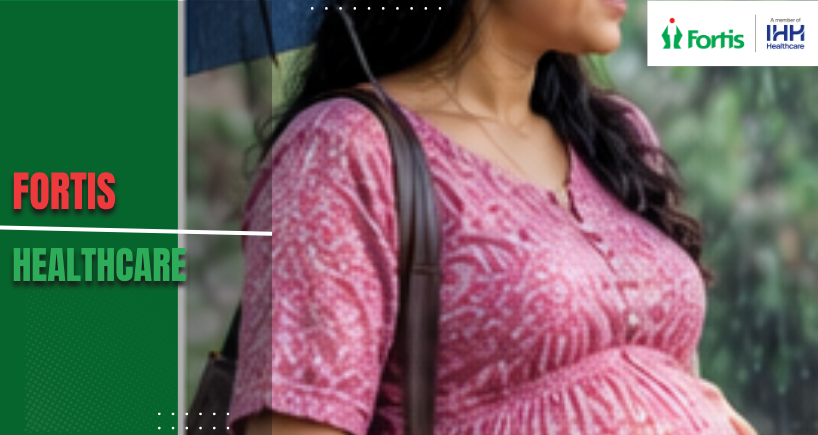


Pregnant this monsoon- Extra precautions to take now
Pregnancy already asks a lot of your body, and the monsoon adds a few specific risks on top. Some infections that are a nuisance for most people — a bout of food poisoning, a viral fever, a fungal rash — can be more of a concern when you're expecting, for you or your baby.
The good news is that most monsoon risks in pregnancy are preventable with a few sensible precautions. Here's what obstetricians most often recommend for staying safe through the rainy season.
Quick takeaways
- Pregnancy alters immunity, so some monsoon infections can be more serious — dengue, and hepatitis E in particular.
- Food- and water-borne illness, dehydration, mosquito-borne fevers, UTIs and falls on wet floors are the main seasonal risks.
- Careful food and water hygiene, mosquito protection and steady antenatal care prevent most problems.
- Bleeding, reduced baby movements, high fever, severe vomiting or breathlessness need your obstetrician urgently.
Why the monsoon needs extra caution in pregnancy
During pregnancy the immune system is naturally modified, which can make some infections more likely to take hold or become severe. Dehydration from a stomach bug is also riskier, because good hydration matters for both you and the baby.
A few monsoon infections deserve particular respect in pregnancy. Dengue can be more serious, and hepatitis E — spread through contaminated water — is known to be considerably more dangerous in pregnant women than in the general population.
| Risk | Why it matters in pregnancy | Key precaution |
|---|---|---|
| Dengue / malaria / chikungunya | Can be more severe; fever affects mother and baby | Prevent mosquito bites; report fever early |
| Food poisoning / typhoid | Dehydration and infection stress the pregnancy | Eat freshly cooked hot food; safe water only |
| Hepatitis E (water-borne) | Notably more severe in pregnancy | Drink only boiled / filtered / sealed water |
| Listeria (raw / unpasteurised food) | Can affect the baby | Avoid raw, unpasteurised and street food |
| Urinary tract infection | More common; can trigger complications | Hydrate, don't hold urine, report symptoms |
| Slips on wet floors | A fall can injure mother and baby | Non-slip footwear; care on wet surfaces |
Food and water safety — the biggest lever
Most monsoon infections in pregnancy come through food and water, which makes hygiene here the single most useful precaution. It's worth being stricter than usual for these few months.
- Eat freshly cooked, hot, home-prepared food; avoid street food, chaat, cut fruit and salads.
- Drink only boiled, filtered or sealed bottled water; be cautious with ice and cold drinks.
- Wash fruits and vegetables thoroughly in safe water, and peel where you can.
- Avoid raw or undercooked meat, eggs and seafood, and unpasteurised milk or cheese.
- Store and reheat food carefully; don't eat anything that's been sitting out.
Mosquito protection in pregnancy
Because mosquito-borne fevers can be more serious now, preventing bites matters. Remove standing water around the home, use nets and screens, and wear covering clothing at dawn and dusk.
Use mosquito repellents that your obstetrician confirms are suitable during pregnancy, and follow the label. If you develop a fever, don't self-treat — get reviewed promptly, as some common painkillers aren't advised in pregnancy.
Staying steady on your feet
Wet, slippery floors and uneven, waterlogged roads are a real fall risk, and balance changes as pregnancy progresses. Wear non-slip footwear, avoid rushing on wet surfaces, and hold the railing on stairs.
Keep up antenatal care and vaccines
Don't skip antenatal visits because of the weather — steady monitoring is how problems get caught early. Ask your obstetrician about the flu vaccine, which is generally recommended in pregnancy, and about any other advice specific to your health.
Call your obstetrician immediately if you notice
- Vaginal bleeding or leakage of fluid.
- Reduced or absent baby movements (once movements are established).
- High fever, or fever with rash, severe body pain or any bleeding.
- Severe or persistent vomiting, or signs of dehydration (very little urine, dizziness).
- Severe headache, blurred vision, or swelling of the face and hands.
- Breathlessness, chest pain, or burning and pain on passing urine with fever.
- Yellowing of the eyes or skin.
Frequently asked questions
Can I eat outside food at all during pregnancy in the monsoon?
It's safest to minimise street and pre-prepared food this season. If you do eat out, choose freshly cooked, hot food from clean kitchens and avoid raw items, cut fruit and untreated water.
Is a fever in pregnancy always an emergency?
Not always, but it should never be ignored or self-medicated. Contact your obstetrician promptly — the cause matters, and some monsoon fevers (like dengue) and some medicines need careful handling in pregnancy.
Which mosquito repellents are safe while pregnant?
Several are considered suitable when used as directed, but the right choice can depend on your stage of pregnancy and health. Confirm with your obstetrician rather than guessing.
This article is for general awareness. It does not diagnose or replace individual antenatal advice — always follow the guidance of your own obstetrician.
Categories
Clear allMeet the doctor

- Gastroenterology and Hepatobiliary Sciences | Gastroenterology | Gastroenterology and Hepatobiliary Sciences
-
 5 Years
-
 1250
1250
Related Blogs
View all
When Is A Liver Transplant Recommended?
Alcoholic Liver Disease - Why Worry?

Binge Drinking Trend Is The New Silent Killer

Irritable Bowel Syndrome

Digestive Disorders And Prevention

FAQs

Keep track of your appointments, get updates & more!

