


Proton Therapy in Breast Cancer Protecting the Heart While Targeting the Tumor
Worried about radiation damage to your heart while treating breast cancer? You’re not alone. Many women face this exact concern when their oncologist recommends radiation therapy. The good news is that proton therapy offers a smarter way to target tumors without putting your heart at unnecessary risk.
What Makes Proton Therapy Different
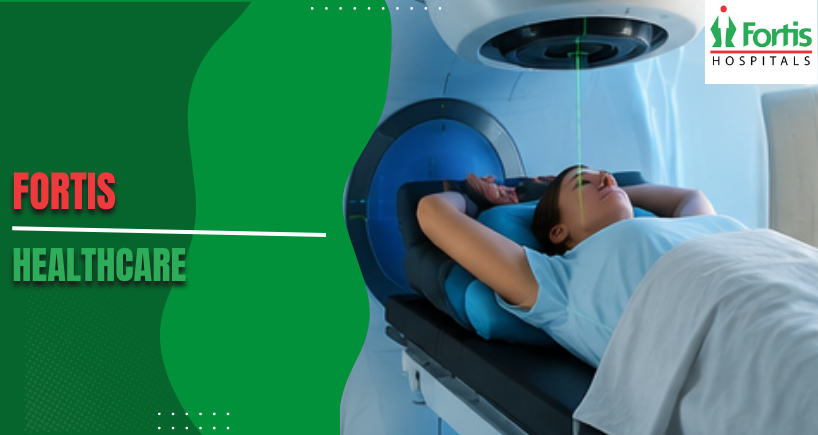
Traditional radiation therapy uses X-rays that pass completely through your body. They hit the tumor, sure, but they also keep going and can damage healthy tissue on the other side. Proton treatment, on the other hand, delivers radiation that stops right at the tumor. It doesn’t exit through the back. This precision matters a lot when you are treating left-sided breast cancer, where the heart sits dangerously close to the treatment area.
The physics behind it is actually pretty straightforward. Protons are charged particles that release most of their energy at a specific depth, called the Bragg peak. Doctors can control exactly where this peak occurs. So the radiation does its job destroying cancer cells and then just stops. Your heart, lungs, and other organs stay largely untouched.
Why Your Heart Needs Protection During Breast Cancer Treatment
Here is something that often surprises patients. The radiation used to kill breast cancer cells can also damage your heart muscle and coronary arteries over time. Studies show that even small doses of radiation to the heart increase the risk of cardiac problems years later. For women with left-sided breast cancer, this risk is not small.
Proton therapy for prostate cancer has shown us how effective this technology can be at sparing nearby organs, and the same principle applies beautifully to breast cancer treatment. The ability to paint radiation onto the tumor while avoiding the heart has changed the conversation entirely for many patients.
Who Benefits Most from This Approach
Typically, younger women with long life expectancies benefit the most from proton treatment for prostate cancer techniques adapted for breast cancer. If you have decades ahead of you, protecting your heart now prevents problems that might show up 10 or 20 years down the line. Women with left-sided tumors, those who need radiation to lymph nodes near the chest wall, or patients who have already had heart issues should definitely ask about this option.
Categories
Clear allRelated Blogs
View all









FAQs

Keep track of your appointments, get updates & more!

