


Proton Therapy for Prostate Cancer: How Precision Radiation Reduces Side Effects
Receiving a prostate cancer diagnosis can feel like the ground has shifted beneath your feet. It brings a rush of questions about the future, and for many men, a deep worry about the treatment itself. The prospect of radiation often triggers fears about long-term side effects that could alter your quality of life, specifically concerning bladder control and sexual function.
This is where proton therapy is changing the conversation. It offers a highly advanced form of radiation that targets the cancer with remarkable precision, aiming to cure the disease while protecting the man behind the diagnosis.
The Difference Between Protons and X-Rays
To understand why proton therapy is different, it helps to look at how traditional radiation works. Standard radiation uses X-rays, or photons. These are effective at killing cancer cells, but they pass all the way through the body. This means they can damage healthy tissues both before they hit the tumor and after they exit it.
Proton therapy uses a different kind of particle. Protons are positively charged particles that can be controlled with incredible accuracy. Doctors can program the proton beam to deliver its maximum energy exactly at the site of the tumor and then simply stop. This is known as the Bragg Peak. There is essentially no "exit dose" of radiation. This unique characteristic allows the treatment to hit the cancer hard while sparing the healthy organs that surround it.
Why Precision Matters for the Prostate
The prostate gland is located in a very crowded part of the body. It sits right next to the bladder and the rectum, and it is surrounded by delicate nerves that control erections. This anatomy is why traditional radiation can sometimes lead to uncomfortable side effects.
Because proton treatment stops precisely at the tumor, it significantly reduces the radiation exposure to these critical nearby areas. This precision is not just about avoiding temporary discomfort. It is about preserving your long-term health and function. It sort of helps with maintaining your normal lifestyle during and after recovery.
Reducing the Risks of Long Term Side Effects
The primary advantage of proton therapy for prostate cancer is the potential reduction in collateral damage. By sparing healthy tissue, the risk of complications is lowered.
Preserving Bladder and Bowel Function
Men undergoing proton treatment often report fewer gastrointestinal and urinary side effects compared to those receiving conventional X-ray radiation. This means a lower risk of issues like urgency, leakage, or rectal bleeding. For many patients, this difference is a major factor in their treatment decision.
Protecting Sexual Health
One of the biggest concerns for men is the impact of treatment on sexual function. While no cancer treatment is entirely without risk, the precision of proton therapy helps to spare the delicate nerves and blood vessels responsible for erectile function. This can lead to better outcomes and a higher likelihood of maintaining potency after treatment.
Who Is the Right Candidate?
Proton treatment for prostate cancer is not necessarily for everyone, but it is an excellent option for many. It is often recommended for men with localized prostate cancer that has not spread to other parts of the body. It can also be a good choice for younger men who are concerned about the long-term effects of radiation exposure over many decades.
Your medical team will look at the specific details of your case. They consider the stage of your cancer, your overall health, and your personal priorities to determine if this advanced therapy is the right path for you.
What a Treatment Session Looks Like
Undergoing proton therapy is usually a straightforward process. It is an outpatient procedure, meaning you do not have to stay in the hospital overnight.
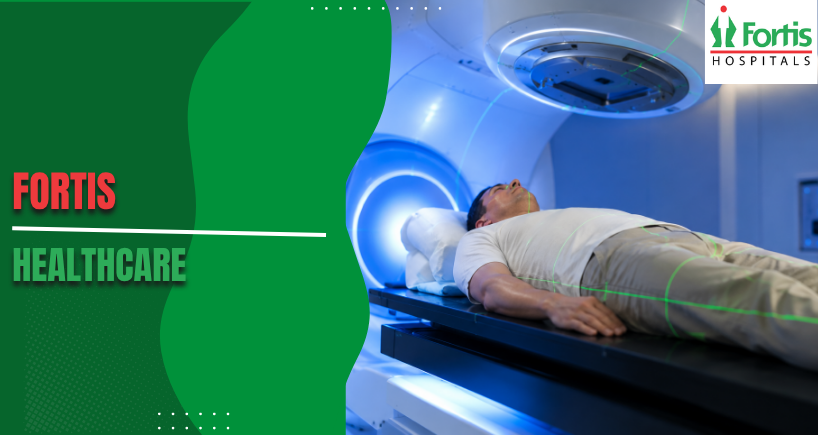
Each session typically takes about 15 to 30 minutes, although the actual delivery of the proton beam only lasts a minute or two. Most of the time is spent positioning you on the treatment table with extreme accuracy. The treatment itself is painless. You will not feel the radiation entering your body. Most men are able to continue with their normal daily activities, including work and exercise, throughout the course of their treatment.
Accessing Advanced Cancer Care at Fortis
Accessing top-tier cancer treatment requires a facility dedicated to comprehensive care. Finding a center that combines advanced technology with a multidisciplinary approach is key. For patients seeking world-class oncology servicesoffers a center of excellence. Their expert team of oncologists provides a full spectrum of advanced radiation and surgical treatments, ensuring that every patient receives a personalized plan tailored to their unique needs.
Making an Informed Choice for Your Future
Choosing a treatment for prostate cancer is a personal decision that involves weighing clinical effectiveness against quality of life. Proton therapy offers a compelling middle ground. It provides the cancer-killing power of radiation with a level of precision that respects the rest of your body.
If you are navigating a new diagnosis, it is worth discussing proton therapy with your oncologist. Understanding all your options empowers you to make a choice that supports not just your survival, but your ability to live your life to the fullest.
Categories
Clear allRelated Blogs
View all









FAQs

Keep track of your appointments, get updates & more!

