
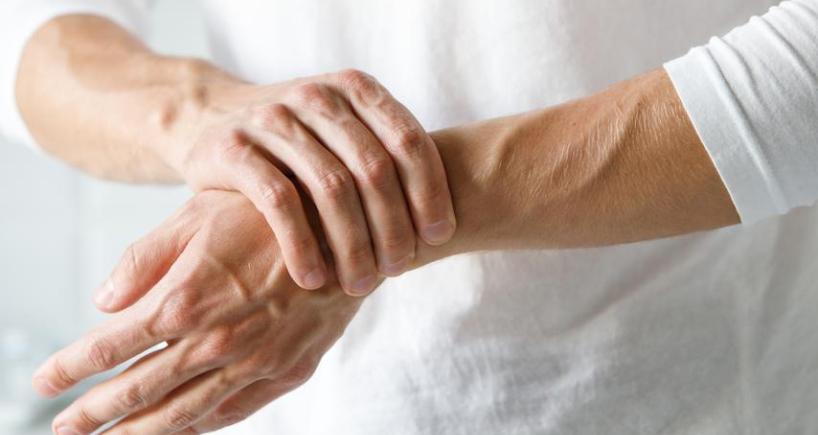


Psoriatic Arthritis - Ways to Control and Manage Symptoms
Psoriatic arthritis is a type of arthritis that affects some people who have psoriasis, a skin ailment characterised by red patches of skin topped by silvery scales. Most patients get psoriasis first and then get psoriatic arthritis, however, joint problems can sometimes be present before skin rashes.
With a combination of exercise, medications, and other treatments, you can treat your psoriatic arthritis symptoms or perhaps prevent them from occurring.
Ways To Control Psoriatic Arthritis
Exercising and working out are some of the best ways of preventing arthritis. Low-impact sports like walking, swimming, or bicycling. Make careful to pace yourself as well.
When you make exercise a habit, you will be able to:
- Ease arthritis symptoms
- Improve your movements
- Get more robust and flexible
- Maintain a healthy weight to relieve pressure on your joints
- Help your heart
- Enhance your mood
- Boost energy in your body
You can exercise on your own or with the assistance of a physical therapist. Warm-up initially to allow your muscles to adjust.
Water therapy, often known as hydrotherapy or aqua therapy, is one of your most pleasing possibilities. It's a workout regimen that takes place in a pool. Because the water relieves some of the strain on your joints, you may find it simpler to perform if you’re suffering from psoriatic arthritis.
Whatever activity you choose, be sure you enjoy it enough to perform it regularly. Also, make an effort to stay active during the day. Walk your dog, play with your kids, do household chores, etc.
Know Your Triggers
People with psoriatic arthritis frequently have skin symptoms before the onset of a flare-up. Typical psoriasis symptoms include:
- Skin that dries, cracks, itches, and even bleeds
- Reddish patches of skin covered in silvery scales
- Fingernails and toenails that get small lines (ridges) or holes (pits)
- Sore, itchy, or burning skin
Common triggers for psoriatic flares include:
- Skipping your psoriatic arthritis medication
- Sunburn
- Injury to a joint
- Stress
- Strenuous exercise
- Skin injury
- Bacterial infections like strep throat
- Drinking alcohol
- Smoking
- Changes in the weather
- Certain medications
- Allergies
- Poor diet
It is generally beneficial to keep a record of your symptoms and details about your nutrition, exercise, stress, and sleep. This can be done in a simple pocket diary or on a note-taking app on your smartphone. Then, you and your doctor can work together to identify potential triggering situations so that you can try to avoid them in the future and manage them when they do occur.
Ways To Protect Your Joints
You do not have to give up the things you enjoy doing. Just search for ways to execute something that doesn't put too much strain on your joints.
Changing the way you walk, sit, stand, or hold items can all be beneficial. Adjust your posture at work, move up from the chair and walk around for a few seconds every few hours. Simple things like these can make you feel better and be beneficial in the long run.
- Pace Yourself: Alter between heavy, complex, or repetitious work and light, simple chores. Take frequent pauses.
- Be Kind To Your Joints: Put no or very little stress on them if possible, use larger, stronger joints rather than smaller ones. Wear a shoulder bag rather than a portable handbag, for example.
- Get An Assist: Many handy items, such as canes, grab bars, extra-thick pens, luggage carts, and sit/stand stools, can make your day go more smoothly. Inquire with an occupational therapist about which ones would be beneficial to you.
- Use The Hot And Cold Method: Moist heat can help to relax achy muscles, as well as reduce stiffness and joint discomfort. You can relax with a warm cloth, a hot pack, or a warm bath or shower.
Cold can reduce swelling and alleviate pain. You can keep cool with a bag of ice or frozen vegetables wrapped in a towel.
It's normal to have flare-ups, but there will also be moments when you feel better. consult your doctor if you experience any new symptoms. This will assist keep things in balance and prevent further joint damage. In addition, treatment can help you keep your symptoms under control.
Get treated at the best orthopaedics hospital in Hyderabad, Gleneagles Aware Hospital.
Categories
Clear allRelated Blogs
View all



FAQs

Keep track of your appointments, get updates & more!

