
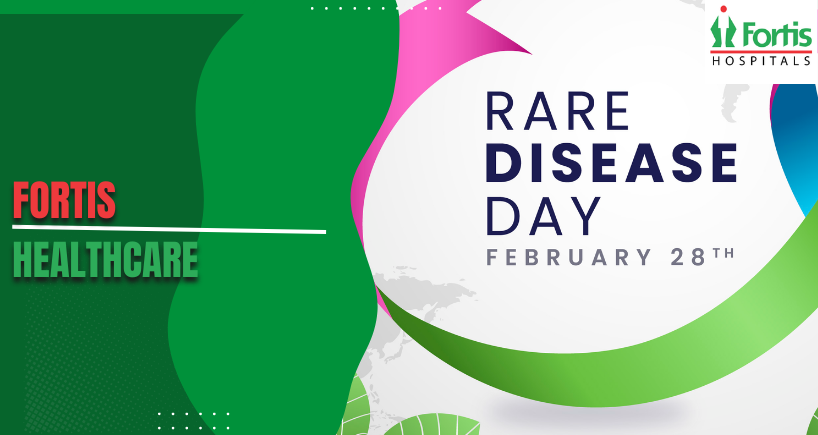


Rare Disease Day: When Diagnosis Takes Years, Not Days
A parent watches their child struggle through unexplained symptoms whilst doctors order test after test with inconclusive results. Years pass. Specialists offer conflicting opinions. The family travels between hospitals searching for answers that remain frustratingly elusive despite mounting medical records.
This diagnostic odyssey characterises life for millions living with rare diseases globally. Rare disease awareness campaigns highlight these challenges every February 29th, chosen deliberately because rare dates represent rare conditions. Understanding why diagnosis proves so difficult requires examining how medical systems approach unusual presentations.
Defining Rarity Across Different Healthcare Systems
What is a rare disease varies depending on geographical location and regulatory definitions. European Union guidelines classify conditions affecting fewer than one in 2,000 people as rare. American standards define rare diseases as those impacting fewer than 200,000 individuals nationally. These differing thresholds create confusion when comparing international research.
India lacks standardised rare disease definitions currently. Approximately 7,000 distinct rare conditions exist worldwide, collectively affecting 300 million people. What is a rare disease might seem straightforward, yet each condition presents unique diagnostic challenges. Eighty percent have genetic origins, whilst others stem from infections, autoimmune processes, or environmental factors.
Why Medical Training Overlooks Uncommon Conditions
Doctors learn to recognise common diseases during medical education. The adage "when you hear hoofbeats, think horses not zebras" guides clinical reasoning. This approach serves most patients well since common conditions account for majority presentations. Rare diseases become the zebras—unexpected, unfamiliar, easily missed.
Limited exposure during training leaves many physicians uncomfortable diagnosing conditions they've never encountered. Symptoms often mimic more common disorders initially. A child with mitochondrial disease might present with features resembling cerebral palsy. Without considering rare possibilities, physicians pursue standard treatment protocols that fail to address underlying pathology.
The Diagnostic Journey Through Multiple Specialists
Delayed diagnosis rare disease patients experience typically involves consultations with eight to ten specialists over several years. Each expert evaluates symptoms through their speciality lens. Cardiologists focus on heart function. Neurologists investigate nervous system involvement. Gastroenterologists examine digestive complaints. Nobody connects disparate symptoms into coherent diagnostic pictures.
Families exhaust savings pursuing evaluations across multiple cities. Tests get repeated because previous results weren't transferred properly. Hope builds with each new referral, only to crash when another specialist admits uncertainty. This pattern of delayed diagnosis rare disease sufferers endure creates psychological trauma alongside physical suffering.
How Genetic Testing Transforms Diagnostic Possibilities
Medical genetics advances over recent decades revolutionised rare disease diagnosis. Whole exome sequencing examines protein-coding genes simultaneously, identifying disease-causing mutations previously undetectable. Chromosomal microarray analysis reveals copy number variations affecting multiple genes. These technologies compress years-long diagnostic odysseys into months or weeks.
Comprehensive diagnostic centres integrate clinical evaluation with sophisticated medical genetics testing capabilities. Facilities like Fortis Memorial Research Institute, Gurgaon provide coordinated services spanning multiple specialities alongside advanced genomic analysis. This multidisciplinary approach accelerates diagnosis whilst reducing unnecessary investigations and treatments targeting incorrect conditions.
Financial Burden That Overwhelms Affected Families
Costs accumulate relentlessly during diagnostic journeys. Multiple specialist consultations demand significant expenditure. Advanced imaging studies prove expensive. Genetic testing ranges from moderately priced panels to comprehensive sequencing costing lakhs. Many families deplete retirement savings or sell property funding investigations.
Insurance coverage remains inadequate for many rare disease evaluations. Policies exclude experimental tests or limit genetic testing reimbursement. Treatment costs compound diagnostic expenses, particularly when conditions require imported medications unavailable locally. Charitable organisations provide partial assistance, yet demand vastly exceeds available resources.
Psychological Impact on Patients and Caregivers
Living without diagnosis creates profound uncertainty. Symptoms progress unpredictably. Treatment options remain unclear. Long-term prognosis stays unknown. Patients describe feeling dismissed when multiple doctors fail to identify problems. Some face accusations of exaggerating symptoms or seeking attention.
Parents blame themselves despite rational understanding that genetic conditions arise randomly. Siblings resent attention diverted towards sick family members. Employment suffers when caregivers miss work attending medical appointments. Social isolation deepens as friends struggle understanding ongoing medical complexity. Depression and anxiety affect the majority of families navigating diagnostic uncertainty.
Why Misdiagnosis Leads to Inappropriate Treatment
Incorrect diagnoses subject patients to unnecessary interventions. Children with metabolic disorders receive psychiatric medications for behavioural symptoms. Adults with hereditary angioedema undergo repeated surgeries for misdiagnosed appendicitis. Immunosuppressive drugs prescribed for suspected autoimmune conditions worsen underlying genetic immunodeficiencies.
These inappropriate treatments carry risks whilst delaying effective therapy. Some interventions cause permanent complications. Time lost pursuing wrong treatment paths allows diseases to progress irreversibly. Correct diagnosis enables targeted therapies that may dramatically improve outcomes if initiated early enough.
Patient Networks That Share Knowledge Globally
Online communities connect patients sharing similar unexplained symptoms. Parents compare notes about diagnostic approaches. Adults exchange recommendations for specialists knowledgeable about specific conditions. These networks often identify diagnoses before medical professionals through pattern recognition across multiple cases.
Social media platforms enable rapid information dissemination. Families learn about recent research advances. Clinical trial opportunities reach wider audiences. Support groups provide emotional sustenance during difficult journeys. International collaborations form around specific rare conditions, pooling resources and knowledge despite geographical separation.
Physician Education Initiatives Improving Recognition
Medical schools increasingly incorporate rare disease education into curricula. Case-based learning exposes students to unusual presentations. Online databases provide decision support tools helping physicians consider uncommon diagnoses. Continuing medical education programmes update practicing doctors about newly characterised conditions.
Telemedicine consultations connect general practitioners with rare disease specialists remotely. This access reduces referral delays whilst improving diagnostic accuracy. Expert centres develop clinical pathways guiding primary physicians through initial evaluation steps before specialist involvement becomes necessary.
Research Efforts Accelerating Diagnostic Innovations
Artificial intelligence algorithms analyse patient data identifying rare disease patterns. Machine learning tools review genetic variants predicting pathogenicity. Natural language processing extracts relevant information from medical records, highlighting features suggesting specific diagnoses previously overlooked.
International databases catalogue rare disease manifestations globally. Researchers share genetic findings accelerating variant interpretation. Standardised phenotype descriptions enable better matching between patients and known conditions. These collaborative efforts compress diagnostic timelines whilst expanding rare disease knowledge collectively.
Policy Changes Supporting Affected Populations
Some countries implement national rare disease strategies coordinating research, diagnosis, and treatment. Orphan drug legislation incentivises pharmaceutical companies developing treatments for small patient populations. Newborn screening programmes detect certain rare conditions before symptoms emerge.
Insurance reforms mandate coverage for genetic testing and specialised therapies. Diagnostic centres of excellence receive government funding improving access nationwide. Patient registries track rare disease prevalence informing resource allocation. These policy interventions address systemic barriers that prolonged diagnostic delays historically.
Building Awareness Through Community Engagement
Rare Disease Day activities amplify patient voices globally. Social media campaigns share personal stories and humanising statistics. Educational events teach healthcare providers, policymakers, and the public about diagnostic challenges. Increased rare disease awareness translates into earlier recognition and faster diagnosis.
Advocacy organisations pressure governments implementing comprehensive rare disease strategies. Research funding increases as public understanding grows. Medical students choose specialising in rare diseases, expanding the expert workforce. Every conversation advancing rare disease awareness potentially shortens someone's diagnostic journey, transforming years of uncertainty into answers that enable appropriate care and realistic planning.
Categories
Clear allRelated Blogs
View all






Keep track of your appointments, get updates & more!

