
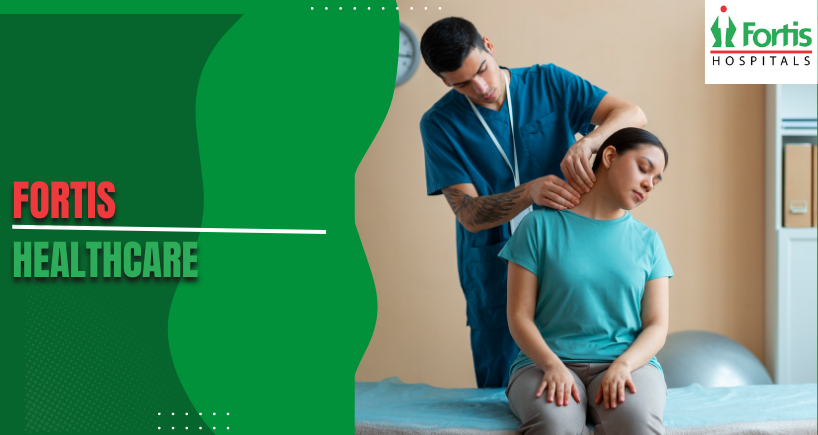


Rehabilitation After Osteosarcoma Cancer Treatment
Surgery following osteosarcoma causes changes people expect to see, but the loss of function often comes as a surprise to families at first. A child who entered hospital walking may suddenly require crutches, assistive devices for movement, and several weeks of movement re-education under supervision. The distance between successful surgery and a return to normal life seems greater than anyone thought about when treatment was discussed.
Rehabilitation bridges this gap through planned programmes dealing with strength, the extent of movement possible, balance, and everyday activities in a methodical way. Because osteosarcoma treatment commonly includes procedures to save limbs, or amputations, recovery is unlike that for usual orthopaedic operations and needs a different route. Knowing what rehabilitation consists of helps families create sensible time estimates and avoids needless complications which would delay complete recovery.
How Post-Treatment Rehabilitation is Different to Routine Physiotherapy
Normal fracture rehabilitation assumes undamaged bone, muscle and nerve tissue responding in a way that can be predicted to increasing levels of exercise. People who have survived osteosarcoma cancer have more difficult problems: prosthetic reconstruction, muscle repositioning, problems in keeping nerves working, and weakening of the whole body caused by chemotherapy. These things mean that special methods – which standard sports medicine cannot deal with well enough – are needed.
Chemotherapy causes loss of muscle, nerve damage in the extremities, and weakening of the heart and circulation, all of which can continue for weeks after the last infusion. When you add these systemic effects to major surgery on a limb, the challenges of rehabilitation need understanding of cancer as well as knowledge of bones and joints. Therapists must find a balance between encouraging movement to prevent stiffness, and protecting the surgical sites – which are at risk of problems.
Early Movement Prevents Long-Term Problems
Movement starts surprisingly soon after surgery – generally within 24 to 48 hours, if the patient is medically stable. This quick timing prevents joints becoming stiff, muscles wasting, and blood clots forming, all of which develop quickly if a patient is not moving. At first, exercises concentrate on keeping the range of movement in joints next to the operated area, whilst protecting the surgical sites from too much pressure.
Therapists perform passive range-of-motion exercises – moving joints without the patient doing anything – to maintain flexibility in the early stages of recovery. Active-assisted exercises introduce the patient’s own muscle effort, but therapists support the limbs through the whole range of movement. Once wounds are healing, progressive resistance training begins, slowly rebuilding the strength lost during treatment and recovery from surgery.
Rehabilitation for Limb Salvage Deals with Unique Mechanical Problems
Custom prosthetic reconstructions replace removed parts of bone with metal implants joined to the remaining healthy bone by special fixing methods. These reconstructions cannot grow in children, so lengthening procedures are needed at times to match the development of the skeleton. The place where the metal meets the bone requires careful increases in the amount of weight it bears, to avoid excessive forces which could cause it to come loose or fail.
Some procedures involve rotationplasty, where surgeons turn the lower leg so that the ankle forms a working knee joint. This complicated reconstruction gives very good results in terms of function, but needs intense re-training to teach patients to control the changed joints via altered nerve pathways. Training in how to walk becomes vital, dealing with mechanical faults which develop when limb lengths are different, or joint mechanics change completely.
Specialized Centres including Fortis Hospital, Mulund, Mumbai, link surgical planning with rehabilitation teams from the first consultation through to long-term follow-up, so that prosthetic choices match what the patient needs to do. These combined programmes deal with immediate post-operative needs, and also look forward to future revision surgeries and adjustments which will be needed as the patient grows.
Rehabilitation for Amputation Focuses on Training with a Prosthesis
Amputations above the knee create greater problems with function than those below the knee, because prosthetic knee joints need conscious control during each step in walking. Early rehabilitation stresses preparing the remaining limb by massage, making it less sensitive, and compression bandages – to encourage proper healing and shaping. Most amputees initially experience phantom limb pain, which requires special pain management in addition to normal rehabilitation.
Fitting a prosthesis begins once swelling has gone down enough for correct measurements and a stable socket. Initial prostheses may need frequent changes as the limb’s volume changes during healing. Training in how to walk goes systematically from walking using parallel bars, to movement on open ground, and finally – for patients who want to – running or playing sports.
Balance work is vital, because amputation essentially changes how the body moves, and the systems giving feedback about body position. Exercises to strengthen the core improve steadiness, and doing things to practice balance on one leg helps build ways of dealing with the changes. Quite a lot of young people get back to really good levels of ability – even taking part in competitive sport – having finished complete rehabilitation courses.
Dealing With Problems from Chemotherapy During Recovery
Chemotherapy for osteosarcoma causes nerve damage in the hands and feet – peripheral neuropathy – which impacts both feeling and control of movement, and so makes balance and fine movements harder. These nerve problems can get slowly better over months, although some problems remain for good, meaning people need to find ways to cope. Therapists use exercises to encourage the nerves to recover, and also teach ways to manage any lasting difficulties.
Because of a long period of treatment, people’s heart and lungs get out of condition, so a careful, step-by-step programme of exercise is needed to build stamina again. Initially, heart rate may need to be monitored, as anthracycline chemotherapy can cause heart damage, reducing how much exercise people can do. Starting gently – with walking or a stationary bike – and then increasing how hard the exercise is, depending on the body’s reaction, stops people overdoing it and allows them to get the most fitness benefit.
Hearing loss from chemotherapy using platinum compounds affects balance, through involvement of the vestibular system, adding to the difficulties beyond the obvious hearing problems. Exercises to rehabilitate the vestibular system retrain the balance systems to make up for damage to the inner ear, improving steadiness and lessening the risk of falls.
Going back to School and Social Life
Long periods away from school because of treatment affect school work, friendships, and reaching the usual points in development – all of which rehabilitation programmes should deal with fully. Occupational therapists assess whether a young person is ready to go back to school, and suggest changes to help with problems with getting about, tiredness, or changes in thinking which affect learning. Physical education can be altered to allow people to take part, while protecting surgical areas and reconstructions of limbs from injuries in contact sports.
Problems rejoining society include explaining visible differences to friends, dealing with unwanted attention, and getting confidence back in bodies which have changed. Rehabilitation groups of people who have survived connect people together, giving support from others, and addressing these psychological and social things as well as the physical aims of recovery. Many young people benefit from counselling, helping them deal with changes to their identity and how they see their bodies, which come from treatment.
Long-term Checking for Later Problems with Muscles And Bones
Prosthetic limbs need to be lengthened every 12–18 months to keep up with the skeleton growing, until the person is fully grown. These extra operations mean short stays in hospital, and shorter rehabilitation courses to get function back after the changes. Families should expect several operations through childhood, rather than one final reconstruction which ends treatment for good.
Differences in the length of limbs develop when operations affect growth plates, or when pieces of bone are removed which changes normal development. Small differences can be made up for with lifts in shoes, but larger differences may need operations to lengthen the shorter limbs, using distraction osteogenesis. Regularly checking the length of limbs allows action to be taken quickly to stop problems with the spine developing later from ongoing asymmetry.
Late fractures – through prosthetic devices or weakened pieces of bone – sometimes happen years after the first operation, needing urgent assessment and perhaps further operations. Keeping to suitable levels of activity balances the benefits to bone health against the risk of fracture, although contact sports need careful thought, depending on the types of reconstruction used.
Comparing Rehabilitation for Different Cancers In Children
People who have survived olfactory neuroblastoma have completely different rehabilitation needs to those who have had bone sarcoma, usually dealing with problems with cranial nerves, changes in speech, and effects on thinking from operations on the base of the skull. These patients work with speech therapists, neuropsychologists and occupational therapists, rather than physical therapists as a priority. Understanding these differences shows how osteosarcoma causes and where it is in the body essentially shapes the ways people recover, which are particular to each type of cancer.
Both conditions need long-term follow-up to deal with late effects of treatment, although the particular worries are very different. Symptoms of osteosarcoma in follow-up might include problems with prostheses or the cancer coming back in the same place, whilst checking olfactory neuroblastoma emphasises watching the sinonasal cavity and hormone function after treatment around the pituitary gland.
Setting Real Goals for What People Can Do and Celebrating Progress
Recovery takes 12–18 months for complicated reconstructions, with ongoing changes continuing through the teenage years. Families should expect gradual improvements, not quick returns to how things were before the diagnosis. Celebrating small steps forward – like being able to move themselves from a bed to a chair, walking without help, or going back to favourite activities – keeps people motivated during long rehabilitation courses.
Categories
Clear allRelated Blogs
View all





Keep track of your appointments, get updates & more!

