
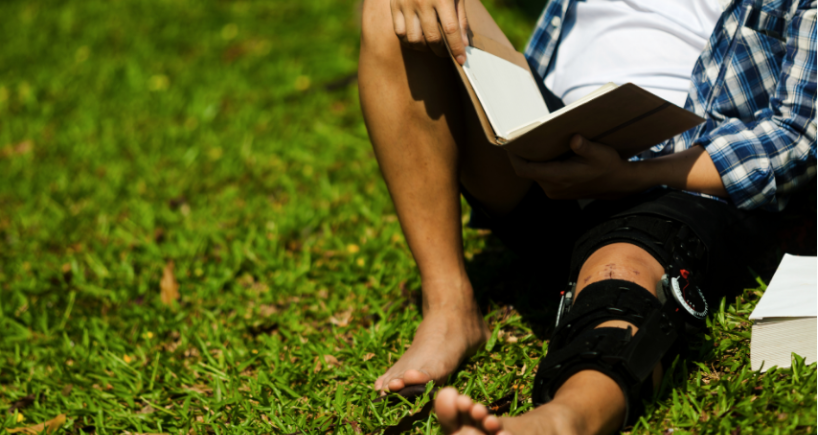


Rehabilitation Protocols After ACL Graft Surgery
Medicine Made Simple Summary
Rehabilitation after ACL graft surgery is just as important as the operation itself. Many patients ask: “How much physiotherapy do I need?” and “Am I pushing too hard or not enough?” This article explains standard rehab protocols in simple terms. We walk through week-by-week milestones, highlight safe exercises, and guide you on when to move ahead and when to slow down. With the right balance of effort and patience, rehabilitation restores strength, prevents re-injury, and helps you return to sports and daily life safely.
Why Rehabilitation Matters as Much as Surgery
ACL surgery replaces the torn ligament with a graft, but that graft is not automatically strong and functional. It takes months to heal, integrate into the knee, and adapt to stresses. Without proper rehabilitation, the knee may remain stiff, weak, and unstable. Rehabilitation serves four main purposes: regain motion, build muscle strength, train balance, and protect the graft. Put simply: surgery gives you a new ligament, rehab teaches your body how to use it.
How Much Physiotherapy Do You Really Need?
Most patients should expect 6–9 months of structured physiotherapy plus home exercises for a year. Early phase (0–6 weeks): 3–4 supervised PT sessions per week. Middle phase (6–16 weeks): 2–3 sessions per week plus home workouts. Late phase (4–9 months): 1–2 sessions per week, focusing on agility and sport prep. Consistency matters more than intensity.
Phase 1: Protection and Early Mobility (Weeks 0–6)
This is the foundation stage. The knee is swollen, painful, and stiff, and muscles are shut down. Goals: control pain/swelling, restore extension, achieve 120° bend by week 6, activate quads/hamstrings, walk with crutches. Milestones: Week 1–2: 90° bend, walk with crutches. Week 3–4: partial to full weight bearing. Week 5–6: full extension, near 120° bend. Push: gentle quads and bending. Hold back: twisting, pivoting, heavy loads.
Phase 2: Strengthening and Balance (Weeks 6–16)
At this stage, swelling has reduced, pain is better, and function improves. Goals: strengthen muscles, restore balance, walk normally, prep for jogging. Milestones: Week 8: walk unaided. Week 10–12: squats, lunges, cycling. Week 14–16: light jogging. Push: controlled strength. Hold back: running too soon or high-impact work.
Phase 3: Advanced Strength and Agility (Months 4–6)
By now, strength should return and the knee feels stable. Goals: power, speed, agility, sport preparation. Milestones: Month 4–5: side drills, single-leg balance, step-downs. Month 5–6: controlled jumps, agility ladders, plyometrics. Push: advanced drills pain-free. Hold back: sports play before clearance.
Phase 4: Return to Sport (Months 6–9+)
This is the most anticipated stage. Goals: safe return to competitive/recreational sports, achieve leg symmetry, train skills. Milestones: Month 6–7: running, pivot drills. Month 8–9: non-contact practice. Month 9+: full clearance with tests. Push: when tests show equal strength. Hold back: if weak, painful, or unstable.
Common Mistakes in ACL Rehabilitation
Stopping PT early, ignoring home exercises, comparing timelines, or rushing sports are common mistakes. These increase the risk of stiffness or re-injury.
Signs You Are Pushing Too Hard
Swelling after exercise, persistent pain, instability, or limping are signs to slow down. These indicate overloading of the graft.
Signs You Are Not Pushing Enough
Stiffness, weak quadriceps, trouble with stairs, or avoiding exercise out of fear show undertraining. Progress should be safe but steady.
The Role of Your Physiotherapist
No two knees recover alike. PTs adapt rehab based on graft type, age, and goals. Patellar grafts may cause kneecap pain, hamstring grafts need hamstring focus, allografts require slower progress. Physiotherapists test strength and stability before progression.
Home vs Clinic Physiotherapy
Clinic sessions provide safety and progression. Home exercises build consistency. Both are needed—PT is guidance, but daily effort is the real driver of success.
Psychological Aspects of ACL Rehab
Rehab is mental too. Patients feel frustrated or fear re-injury. Confidence grows with consistent practice and gradual exposure. Sports psychologists may help athletes overcome mental blocks.
Patience Pays Off
At 3–4 months patients feel normal, but graft strength is lowest. The risk of re-injury is highest if sports are resumed too early. Waiting until 9 months before full return reduces re-injury rates significantly.
Conclusion
Rehabilitation is the true key to ACL success. Surgery repairs the ligament, but physiotherapy restores the person. Follow structured phases, respect milestones, and balance push vs hold back. Commit to long-term rehab, trust your PT, and be patient. With discipline, you can return to daily life and sports stronger than before.
Categories
Clear allMeet the doctor

- Orthopaedics | Orthopaedics and Joint Replacement
-
 15 Years
-
 800
800
Related Blogs
View all




FAQs

Keep track of your appointments, get updates & more!

