
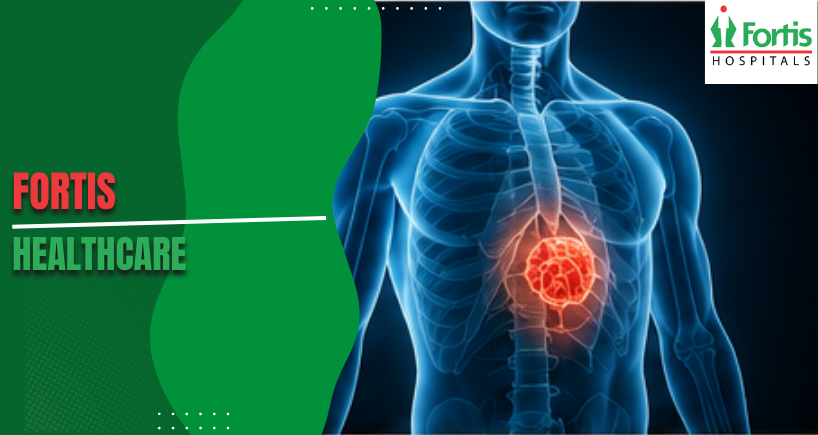


Rhabdomyosarcoma in Adults: Rare Symptoms to Watch For
There is a notable lack of awareness about rhabdomyosarcoma in adults; most cancer books present this as a disease of children, and that outlook affects how the condition is usually looked at when adults show symptoms. When someone aged forty gets an unexplained lump in soft tissue, sarcoma is not often one of the first things doctors think of. This delay in diagnosis uses up valuable time – and, with this illness, how much time is left directly affects the treatment choices available.
Adults with rhabdomyosarcoma experience a difficulty that children with the same condition do not: the healthcare system isn’t geared to consider this tumour in an adult. Symptoms are often assumed to be muscle strains, infections, or harmless growths, before the possibility of a cancerous soft tissue growth is even thought about. Being aware of what to look for, and why these signs are so often misunderstood, provides patients and doctors with a better possibility of intervening before the disease gets worse.
Why Adult Presentations Get Missed So Often
Rhabdomyosarcoma in Adults is truly uncommon, and this is part of the issue. If a condition doesn’t often happen in a population, doctors are less likely to suspect it in that group. A swelling which would cause an immediate investigation in a child will often be watched in an adult. This difference in how quickly things are taken seriously contributes significantly to the diagnostic delays that are constantly seen in adult cases in medical studies.
Where adult tumours develop also makes early discovery harder. Unlike in children – where they are usually in the head, neck, and urinary/reproductive systems – adult tumours are more likely to be in the arms and legs, the body, and deep in the abdominal area. These locations cause unclear, general symptoms for a long time, before the lump is large enough or causes enough problems to need looking into.
The Subtype Difference That Changes Everything
Rhabdomyosarcoma types are not found equally across age groups, and this biological fact shapes the whole adult experience with the condition. In children, the embryonal type is the most common and responds relatively well to normal chemotherapy. However, adult disease is very different at the cell level.
- Pleomorphic rhabdomyosarcoma is the type nearly only seen in adults – usually middle-aged or older people. It is biologically more aggressive than the types common in children, and is more likely to invade blood vessels early and spread to other areas.
- Alveolar rhabdomyosarcoma also happens in adults, particularly younger ones, and its chromosomal changes cause quick spread in the local area. Both types need a higher level of suspicion from doctors when an adult has unexplained soft tissue problems.
Specific Rhabdomyosarcoma Symptoms Adults Should Not Ignore
Rhabdomyosarcoma symptoms in adults are often not typical and don’t follow the patterns in usual children’s cancer publications. The following presentations in adult patients need immediate assessment by a specialist:
- A solid, deep swelling in the thigh, upper arm or trunk which gets bigger steadily over four to six weeks, without pain or skin changes
- Unexplained pain or pressure in the back of the abdomen, side, or pelvis, where initial tests haven’t found a urinary or digestive cause
- Drooping of the upper eyelid, or increasing swelling around the eye, in an adult with no previous eye issues or inflammatory disease
- Water symptoms including blood in the urine or difficulty urinating, where a harmless cause hasn’t been confirmed by standard tests
- Swelling of the face or neck, problems with cranial nerves, or hearing loss in one ear, without a known infection or physical cause
Each of these signs could be caused by many more common, harmless conditions. This overlap is what makes rhabdomyosarcoma symptoms so easy to attribute to something else during an initial consultation. The most important thing is how long a problem lasts; a swelling, or any symptom, which doesn’t get better in the time you’d expect it to, needs to be looked at again, but with a more complete examination to find the cause.
Where Adult Tumours Most Commonly Appear
In grown-ups, rhabdomyosarcoma cancer is found in very different places than in children. More adult cases show up in the arms or legs, and a frequent first sign is a deep growth inside the muscle of the thigh or shoulder. These growths develop inside muscle areas, and often get quite big before they are felt on the surface.
Tumours in the back of the abdomen and pelvis are especially hard to diagnose in adults. Specialized Medical Centres like, deal with these difficult cases using teams of sarcoma specialists, combining detailed scans, skilled surgery, and expert examination of tissue samples. This organised work is especially needed when growths are in places that are difficult to get to, and getting tissue for testing requires careful planning.
The Diagnostic Pathway Adults Need to Insist Upon
If a doctor feels, or a scan shows, a soft tissue mass in a grown-up, an MRI scan should be done before anyone tries to remove it or take a biopsy in a place that doesn’t specialise in these cancers. An MRI shows the size of the tumour, which muscle areas are involved, and how close it is to nerves and blood vessels, with more detail than a CT scan can give. Taking a biopsy without good scans first risks not getting enough tissue, and could make it harder to plan surgery later.
If a tissue biopsy confirms rhabdomyosarcoma, molecular and cytogenetic tests must be done. Whether or not the PAX-FOXO1 gene is joined together – which happens specifically in alveolar rhabdomyosarcoma – directly affects which treatment is chosen, and how the patient is likely to do. Scans to find out if the cancer has spread, including a CT scan of the chest and a check of the bone marrow, complete the process in cases that seem to be at higher risk. Missing any of these steps leaves holes in the diagnosis, which will affect every decision about treatment.
How Treatment Strategy Shifts for Adult Patients
- Embryonal rhabdomyosarcoma in young adults is usually treated using methods taken from children’s treatments, with chemotherapy using vincristine, actinomycin-D, and cyclophosphamide as the main drugs in systemic treatment. Adults and children handle these drugs differently, and doctors often change the doses based on how well the patient’s organs are working, and how well they are generally doing.
- Pleomorphic rhabdomyosarcoma needs a completely different treatment. The usual chemotherapy for children doesn’t work as well with this type, so combinations of drugs used for soft tissue sarcoma in adults are often used instead. Surgery to get wide, clear edges around the tumour remains the main goal if it’s possible to do so, with radiotherapy used to treat any tiny bits of cancer that may be left at the edge of the area that was cut out.
Long-Term Vigilance That Adult Patients Must Maintain
- Rhabdomyosarcoma in adults comes back more often than in children, at most similar stages of the disease, and this is a fact of the cancer’s biology, so adults need to be carefully monitored by cancer specialists for a long time after active treatment is finished. Many treatment centres recommend regular scans at set times, for at least five years, because late recurrences in adults have been seen after the usual two-year period.
- Rhabdomyosarcoma in children with the same stage of disease usually follows a more predictable pattern of coming back. Adults will not benefit from assuming the same for themselves when planning their follow-up. Being aware of symptoms is important throughout the monitoring period. Any new swelling, pain that can’t be explained, or breathing problems that start after treatment is finished, should be told to the cancer team quickly, and not just waited for to see what happens.
Categories
Clear allRelated Blogs
View all




FAQs

Keep track of your appointments, get updates & more!

