
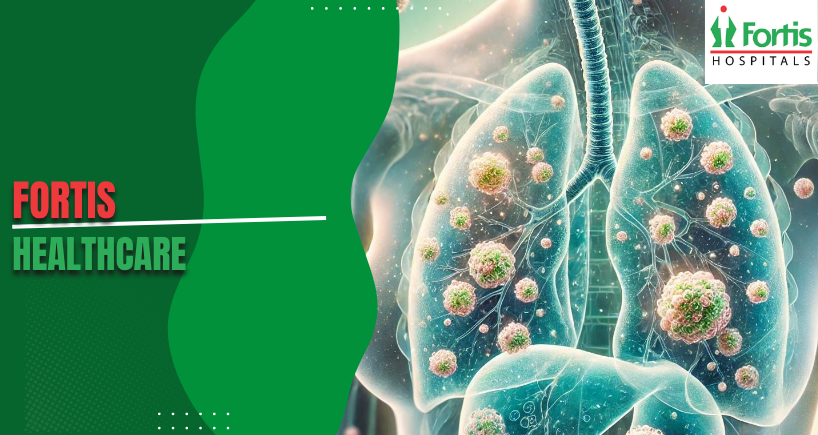


Rhabdomyosarcoma Causes and Risk Factors: What We Know
An unexpected cellular mutation frequently develops deep within healthy skeletal muscle without providing any initial warning. This silent biological transformation leaves many dedicated families searching desperately for logical explanations. Uncovering the exact origins of this complex disease remains an ongoing scientific pursuit.
Medical professionals continuously study these unusual tissue growths to understand their fundamental biological triggers better. Your personal knowledge regarding potential risk factors forms a critical foundation for vigilance. Exploring these underlying genetic causes helps demystify an otherwise overwhelming clinical diagnosis completely.
Exploring the Biological Origins
Skeletal muscles facilitate every single voluntary physical movement your body executes daily. Abnormal rhabdomyosarcoma cell division within these essential biological structures creates incredibly complex clinical medical challenges. Pinpointing the exact biological catalyst for this unexpected growth remains a profoundly difficult scientific endeavour today.
The rapidly mutating cells quickly multiply and forcefully consume vital surrounding physical resources abruptly. This uncontrolled internal expansion occurs when specific DNA instructions suddenly fail to function correctly. Understanding exactly why these crucial cellular blueprints malfunction guides ongoing global medical research efforts.
Understanding Spontaneous Cellular Mutations
Most identified clinical cases develop entirely sporadically without any clear environmental or external cause. These random genetic errors occur completely spontaneously during routine cellular division processes internally. Dedicated scientists call these unexpected biological events acquired mutations.
These specific random genetic changes do not pass down from parent to child through inheritance. They strictly develop within the individual affected person during their specific lifetime. Medical experts carefully classify the distinct rhabdomyosarcoma types based upon these unique internal cellular alterations.
Analysing Inherited Genetic Syndromes
A very small percentage of affected individuals possess distinct inherited genetic vulnerabilities currently. Certain rare family syndromes slightly increase the overall biological likelihood of developing these specific soft tissue masses. These inherited conditions always require much more frequent medical monitoring protocols.
Children born with these known genetic predispositions need dedicated clinical surveillance continuously. Early detection dramatically improves the overall clinical outlook when these hidden cellular abnormalities finally emerge unexpectedly. Most diagnosed patients completely lack any known family history of similar muscular diseases whatsoever.
The Li Fraumeni Syndrome Connection
This rare inherited disorder dramatically increases the risk of developing numerous cellular growths. The condition originates from a specific inherited mutation within a highly critical tumour suppressor gene. This vital protective genetic sequence normally prevents severely damaged human cells from multiplying uncontrollably within your body.
Without this essential genetic protection your internal tissues remain remarkably vulnerable to sudden mutations. Spotting rhabdomyosarcoma in children with this specific familial background requires highly vigilant medical observation constantly. These young patients absolutely require comprehensive clinical screening protocols starting at a very early age.
Neurofibromatosis and Soft Tissue
Another known genetic condition causes numerous benign tumours to form strictly along your sensitive peripheral nerves. Individuals managing this specific inherited syndrome occasionally face slightly elevated risks for muscular abnormalities. These patients require highly specialised medical guidance from knowledgeable clinical geneticists today.
Medical professionals closely monitor these individuals for any unexpected rapid tissue expansion internally. Addressing rhabdomyosarcoma cancer within this specific patient population requires a profoundly delicate multidisciplinary medical approach always. Your dedicated healthcare providers completely understand these highly complex underlying biological interactions.
Evaluating Environmental Exposure Risks
Concerned parents frequently wonder if specific environmental factors directly triggered these unexpected bodily changes. Extensive global medical research currently shows absolutely no definitive link between common household chemical exposures and this specific disease. Your daily dietary choices and normal environmental pollutants do not cause these internal cellular mutations.
Avoiding common environmental toxins remains an excellent general health practice. However you must not blame your personal parenting choices for these entirely random internal biological events today. These specific muscular abnormalities always develop completely independently of your standard daily routine lifestyle habits.
Paediatric Development and Genetic Triggers
Early childhood development demands incredibly rapid cellular division. This natural accelerated growth phase creates significantly more opportunities for microscopic genetic copying errors to occur randomly inside the body. Developing paediatric bodies possess remarkably active internal biological systems working tirelessly every single day.
Certain cellular variants strongly prefer this highly active developmental environment. A young child frequently develops an embryonal rhabdomyosarcoma without any prior medical warning signals whatsoever. These rapidly mutating microscopic cells quickly multiply within the delicate head or lower urinary tract regions.
Investigating Mature Patient Triggers
Older individuals confront entirely different structural biological hurdles during their diagnostic medical journey. Discovering rhabdomyosarcoma in adults frequently involves deeply complex underlying cellular mutations requiring highly customised modern therapeutic strategies. The biological triggers causing these internal physical changes vary significantly across different mature life stages.
A mature individual might occasionally develop a pleomorphic rhabdomyosarcoma requiring a distinctly tailored surgical approach. This unique cellular presentation differs drastically from the variants typically found in youth. These rapidly multiplying abnormal cells create extremely firm structural masses deep within your mature skeletal muscles.
Aggressive Cellular Alterations in Youth
Certain microscopic variants present distinct clinical management challenges for dedicated oncology teams globally. An alveolar rhabdomyosarcoma grows extremely rapidly and frequently affects highly active teenagers or young adult patients today. These specific abnormal mutated cells multiply incredibly aggressively within the larger skeletal muscle groups.
Advanced genetic testing reveals entirely unexpected chromosomal rearrangements within the extracted muscular tissue sample. Two distinct human chromosomes accidentally swap their essential genetic material during a highly flawed internal division cycle. This dangerous microscopic structural error ultimately drives relentless cellular expansion within these vulnerable young patients.
The Impact of Congenital Anomalies
Babies born with structural bodily defects occasionally face slightly higher risks for tissue mutations. These rare physical developmental anomalies happen when the early embryo fails to form completely correctly internally. Such unusual physical malformations sometimes indicate underlying microscopic genetic instability requiring highly observant expert medical attention.
These specific patients represent an incredibly small fraction of overall diagnosed cases globally today. However this connection helps scientists understand how normal muscle development occasionally goes drastically wrong biologically. Every new clinical discovery brings researchers closer toward understanding the true root causes.
Accessing Genetic Testing Resources
Comprehensive evaluation at modern facilities provides essential diagnostic clarity. Your dedicated medical professionals carefully determine the exact genetic makeup of the cellular mass. This highly structured collaborative approach ensures optimal therapeutic planning for your specific biological situation.
Clinical geneticists carefully review your complete family health history to identify potential inherited risk patterns. They might recommend highly specialised blood tests to screen for known predisposing genes accurately. This crucial molecular information directly guides both your treatment strategy and future familial health planning.
Navigating Family Health Histories
Discussing past medical diagnoses with your extended relatives provides surprisingly valuable clinical insights today. Documenting rare diseases within your family tree actively helps your doctors assess potential genetic risks. You must completely share this detailed historical information during your initial specialist medical consultation appointments.
Genetic counsellors expertly translate complex laboratory results into understandable guidance for your anxious family. They carefully explain exactly what these specific genetic findings mean for your siblings or young children. Their compassionate professional support helps you confidently navigate these incredibly complex internal biological realities moving forward.
Translating Genetic Data into Care
Identifying specific chromosomal changes helps doctors predict how the abnormal tissue might behave internally. This vital genetic information directly guides the clinical selection of the most effective therapeutic agents. Certain mutated gene fusions respond exceptionally well to specific modern targeted pharmacological medications available today.
Modern oncology heavily relies upon the collective expertise of numerous dedicated medical disciplines globally. Treating complex tissue abnormalities effectively requires distinct specialists to collaborate seamlessly on your behalf. This highly unified team approach ensures no single aspect of your microscopic cellular makeup goes overlooked.
Recognising Early Physical Warning Signs
Spotting unusual rhabdomyosarcoma symptoms early allows your doctors to initiate targeted therapy promptly today. A generally painless bodily lump resting just beneath your skin represents the most frequent physical indicator. This peculiar swelling typically feels completely solid upon gentle medical examination by your physician.
Different bodily locations naturally produce entirely distinct physical warning signals requiring immediate professional investigation. Tumours located directly behind the eye might cause sudden vision disturbances incredibly quickly for affected patients. Highly localised disruptions to normal bodily function always demand immediate comprehensive evaluation by qualified healthcare professionals.
Researching Future Preventative Strategies
The global medical community continuously searches for novel ways to defeat complex cellular diseases. Ongoing clinical trials rigorously evaluate entirely new pharmacological compounds against highly standard clinical treatment protocols. These carefully structured scientific studies occasionally provide eligible patients with exclusive early therapeutic access today.
Researchers currently investigate advanced targeted therapies capable of blocking the biological signals driving abnormal growth. Patients participating in these vital clinical studies contribute significantly to medical advancements everywhere across the globe. This essential scientific research continuously improves global medical protocols for future generations facing similar physical challenges.
Categories
Clear allRelated Blogs
View all








FAQs

Keep track of your appointments, get updates & more!

