
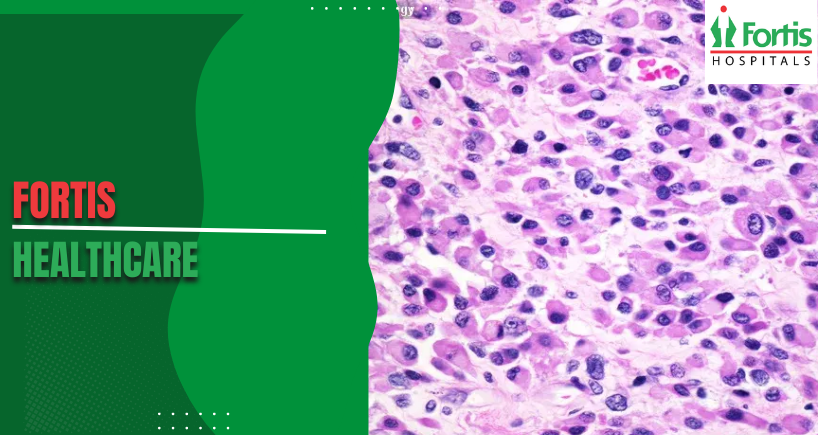


Rhabdomyosarcoma Symptoms You Should Never Ignore
Symptoms of rhabdomyosarcoma cancer usually start with seeming like nothing more than normal pains; which are easy to put down to one to another thing. Because the initial symptoms of the cancer are usually very fine-drawn, it’s important to be aware of them, so the condition can become better with time.
Let’s understand how rhabdomyosarcoma symptoms represent themselves, why they are different in people of different ages, and why getting checked early is so really crucial in this whole process. It explains what are the warning signs, how symptoms change depending on where the tumour is located in the body, and why getting an early treatment is beneficial.
Understanding How Symptoms Develop
Rhabdomyosarcoma comes from cells that help in making the skeletal muscle in the body. As these cells are present in many parts of the body, that’s why the symptoms can vary - depending on where the tumour is growing, basically in which part of the body. But unlike many other cancers, there isn’t one single clear sign of this.
Symptoms often show up; when the tumour starts to push on nearby tissues, nerves or even organs. Sometimes, a swelling can be seen, but in other cases the first thing noticed is something to do with what the body reacts, rather than how it looks.
Understanding this difference explains why symptoms might not be noticed at first – especially when they seem like common illnesses.
A Lump Or Swelling Which Don’t Go Away
One of the first and most obvious symptoms is a lump, or a swelling in common words - which gets bigger and bigger. This swelling might be in the arms, legs, neck or body, depending on where the tumour is taking place in the body.
The lump is often not painful at the very early stages, which can make people think - not to go to the doctor at that point of time. However, any swelling which gets bigger, or doesn’t go away in a few days should be checked by a doctor promptly.
The fact that it grows over time is what makes a worrying lump different from a small injury or inflammation.
Pain Or Reduced Movement
As the tumour gets bigger, it may start to push on muscles or nerves, causing pain or making it harder to move. Pain might come on slowly, or only happen when you move.
This is more often seen in rhabdomyosarcoma in adults, where tumours are usually in the arms or legs. A loss of strength, or stiffness, may also happen if the tumour affects how the muscle works.
Any pain which doesn’t have an obvious cause should always be checked, especially if there is also swelling.
Changes Around The Head And Neck
Tumours which grow near the eye, nose or throat can cause symptoms which seem like infections or sinus problems. These might include swelling around the eye, a nose which is always blocked, or trouble swallowing.
These patterns are more often found in rhabdomyosarcoma in children, where tumours are usually in the head and neck. As these symptoms are the same as those of common illnesses, they might be wrong at first.
Any symptoms which go on, or get worse, should lead to a further medical assessment.
Urinary Or Bowel Changes
When tumours spread near the bladder or the reproductive organs, they may cause problems while passing urine, blood in the urine, or bowel habit changes. These kinds of signs happen because the tumour is pushing on nearby parts of the body.
Children may have a blockage in their urine flow, or can experience unusual bleeding - which needs to be checked by a specialized doctor quickly. Also, Adults may notice changes to how often they urinate, or feel uncomfortable about it in the recent time or in the past few days.
These symptoms should never be ignored if they go on, or get worse.
Unexplained Bleeding Or Discharge
Bleeding from the nose, throat or urinary system with no clear reason can sometimes be a sign of a tumour. Although infections are the more usual cause, bleeding which goes on should be investigated.
This is especially important if the bleeding happens with swelling, or other symptoms. Getting an early assessment helps rule out serious causes, and makes sure that the correct treatment is given if it’s needed.
Noticing patterns, rather than individual symptoms, helps to make sure you go to the doctor at a good time.
Symptoms Based On Tumour Location
The symptoms generally depend on the site of the tumour’s origin; growths in the arms or legs typically bring about swelling or discomfort, whereas those in the abdomen could give someone the sense of being replete, or alterations to their digestive process.
Tumours which are in close proximity to nerves can give rise to numbness or weakness – growths close to the eye are able to cause changes to vision, or obvious oedema. To have an understanding of which symptoms are likely to occur helps individuals to identify changes that are not the norm at an earlier time.
As symptoms differ from person to person, medical professionals examine the entire collection of symptoms, and not merely a single one.
How Symptoms Differ Between Subtypes
The different types of tumour can cause somewhat different sets of symptoms. For instance, embryonal rhabdomyosarcoma is usually in the head, neck or urinary tract, and might cause problems with how things work quite early on.
Alveolar rhabdomyosarcoma may grow in the arms and legs and is more likely to show up as a swelling that is deep down. Rarer forms, like pleomorphic rhabdomyosarcoma, usually occur in older people and may grow inside large muscles.
Knowing these differences explains why people’s symptoms are not always the same.
When Symptoms May Be Overlooked
Because a lot of symptoms are like those of more common illnesses, it is possible for diagnosis to be delayed. A swelling could be thought to be a pulled muscle, or a blocked nose might be put down to hay fever.
Symptoms which come on slowly often mean that people do not pay attention to them quickly, especially if the symptoms are not bad to begin with. Noticing changes which go on or get worse helps to cut down the chance of missing early signs.
Any symptom which gets worse with time should have a doctor look at it.
Why Early Recognition Matters
Rhabdomyosarcoma symptoms are spotted early, doctors can start looking into things before the tumour gets bigger or spreads to other parts of the body. Discovering it early often makes more treatment options possible, and generally gives better results.
Being diagnosed quickly can also mean that, in some situations, doctors can use gentler treatments, and not have to use so much therapy. Spotting symptoms early helps to make better plans and to get better.
Knowing what to look for means people can get help sooner, rather than waiting for symptoms to become really bad.
How Doctors Evaluate Symptoms
If symptoms cause worry, doctors start by taking a full medical history and doing a physical check. Tests which show images - such as ultrasound or MRI - may be used to look at the area which is affected.
If the images suggest a tumour, a biopsy will confirm what it is, and find out what type of tumour it is. This will show whether the illness is one of the known rhabdomyosarcoma types, and will help doctors to plan treatment.
Checking looks at both what the tumour is, and how far it has spread in the body.
Emotional Impact Of Symptom Uncertainty
It can be stressful to live with symptoms which cannot be explained, especially when tests are still being done. Waiting for the results of tests often makes people and their families feel anxious and unsure of what is going on.
Talking to doctors clearly helps to cut down on stress, by explaining what each test is trying to find out. Getting emotional support from family, or from someone who advises people, can also help during this time.
Understanding what is happening helps people to feel more ready for each step.
What To Do If You Notice Concerning Symptoms
If you get a swelling, pain which goes on, or unexplained bleeding, it is important to get medical advice quickly. Writing down when the symptoms began, and how they have changed, can help doctors when they are checking.
Do not wait for symptoms to go away by themselves if they get worse. Seeing a doctor early helps to make sure that serious illnesses are not missed, and that you get treatment quickly if you need it.
Taking symptoms seriously helps people to be healthier.
Living With Greater Awareness
Understanding warning signs helps people to feel more certain in knowing when something is not right. Being aware does not mean thinking the worst, but rather knowing when it is right to get a medical opinion.
Knowing about rhabdomyosarcoma helps people and their families to take part fully in talks with doctors, and to make sensible choices about treatment.
Moving Forward With Confidence
Spotting potential warning signs early means that things can be checked quickly, and treatment can be planned more clearly. Although symptoms can be very different, paying attention to changes which go on helps to make sure that they are checked properly.
With awareness, quick medical advice, and an accurate diagnosis, people can go on with more confidence while dealing with worries about rhabdomyosarcoma cancer.
Categories
Clear allRelated Blogs
View all








FAQs

Keep track of your appointments, get updates & more!

