
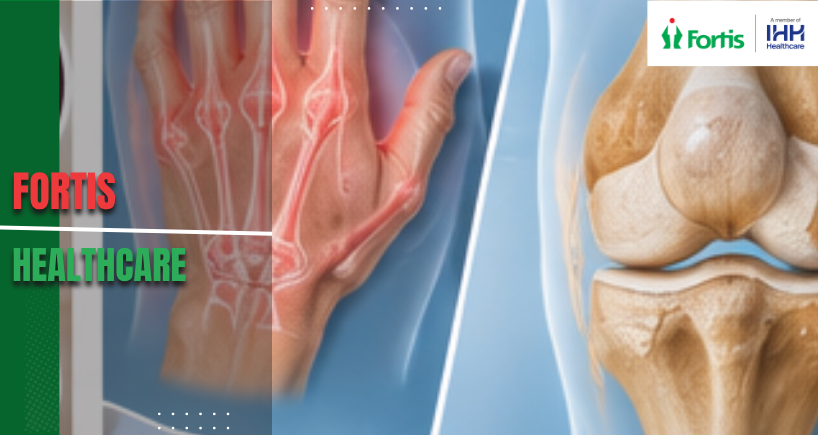


Rheumatoid Arthritis vs Osteoarthritis - How to Tell the Difference
Joint pain is common, but not all joint pain comes from the same cause. Two of the most frequently confused conditions are rheumatoid arthritis and osteoarthritis, and while both affect the joints, they differ significantly in cause, symptoms, and treatment.
Knowing the difference matters because the right diagnosis leads to the right treatment plan, and delays can allow either condition to cause unnecessary joint damage. This guide breaks down the key distinctions to help you understand what your symptoms might mean.
Although both conditions can cause pain, stiffness, and reduced mobility, the way they develop, progress, and respond to treatment is quite different, which is why an accurate diagnosis from a specialist is so valuable.
What Is Osteoarthritis?
- Osteoarthritis (OA) is a degenerative joint condition caused by the gradual breakdown of cartilage, the cushioning tissue that allows bones to move smoothly against each other. Over time, this wear and tear leads to pain, stiffness, and reduced mobility.
- OA is the most common form of arthritis and is closely linked to aging, joint overuse, obesity, and previous joint injuries. It typically develops slowly over many years rather than appearing suddenly.
- Weight-bearing joints such as the knees, hips, and spine are most commonly affected, though OA can also occur in the hands, particularly in people who perform repetitive hand movements over long periods.
- Unlike inflammatory arthritis, OA does not involve a malfunctioning immune system. Instead, it reflects cumulative mechanical stress on the joint, which is why factors like body weight and joint alignment play such a significant role in both its development and its management.
What Is Rheumatoid Arthritis?
- Rheumatoid arthritis (RA) is an autoimmune condition, meaning the body's immune system mistakenly attacks the lining of the joints, called the synovium. This causes chronic inflammation that can eventually damage cartilage and bone.
- Unlike osteoarthritis, RA is not simply a result of wear and tear. It can affect people of any age, including children and young adults, though it most commonly begins between the ages of 30 and 60.
- Because RA is a systemic autoimmune disease, it can also affect organs beyond the joints, including the skin, eyes, lungs, and blood vessels in more advanced cases.
- Genetics, environmental triggers such as smoking, and hormonal factors are all believed to play a role in who develops RA, though the exact combination of causes still isn't completely understood by researchers.
Comparing the Symptoms
Pattern of Joint Involvement
Osteoarthritis usually affects joints asymmetrically, meaning one knee or hip may be more affected than the other. Rheumatoid arthritis, on the other hand, typically affects joints symmetrically, meaning both hands, both wrists, or both knees are involved at the same time.
This symmetry is often one of the first clues doctors look for, since it points toward a systemic immune process rather than localized mechanical wear.
Morning Stiffness
Stiffness in osteoarthritis usually lasts less than 30 minutes after waking and improves with movement. In rheumatoid arthritis, morning stiffness is more prolonged, often lasting over an hour, and is accompanied by noticeable swelling.
This difference in duration is considered clinically significant enough that doctors routinely ask about it during evaluation, as it helps narrow down the likely diagnosis early on.
Swelling and Warmth
RA joints often appear visibly swollen, red, and warm to the touch due to active inflammation. OA joints may show mild swelling, particularly bony enlargement around the joint, but rarely feel warm.
These visible differences can often be noticed even before formal testing, making a careful physical examination a valuable first step in distinguishing between the two conditions.
Systemic Symptoms
Because RA is an autoimmune condition, it often comes with fatigue, low-grade fever, and a general feeling of being unwell. OA is typically limited to the joint itself, without these whole-body symptoms.
Age of Onset
OA tends to appear gradually after age 45–50, while RA can strike at any age, including in a person's 20s or 30s, which often surprises younger patients who assume joint pain only affects older adults.
How Doctors Diagnose the Difference
Diagnosis typically starts with a physical examination and a detailed symptom history. Blood tests play a key role in distinguishing the two conditions: RA is often associated with elevated inflammatory markers, rheumatoid factor (RF), and anti-CCP antibodies, none of which are typically present in osteoarthritis.
Imaging tests like X-rays can also help. In OA, X-rays typically show narrowed joint space and bone spurs, while RA may reveal joint erosion and inflammation patterns that differ visually from simple wear and tear.
In some cases, doctors may also use ultrasound or MRI to detect early inflammation that isn't yet visible on standard X-rays, allowing for earlier diagnosis and treatment of rheumatoid arthritis before significant joint damage occurs.
Treatment Differences
- Osteoarthritis treatment focuses on managing pain and preserving joint function through weight management, physiotherapy, pain relief medication, and in advanced cases, joint replacement surgery.
- Rheumatoid arthritis treatment aims to control the underlying immune response using disease-modifying antirheumatic drugs (DMARDs) and biologics, alongside anti-inflammatory medication. Because RA can cause irreversible joint damage if untreated, early intervention with a rheumatologist is especially important.
- Both conditions benefit from regular physical activity, but the type and intensity of exercise recommended may differ based on current inflammation levels and joint stability.
- Assistive devices such as braces or orthotic supports can also help reduce joint strain in both conditions, though they are generally used as a supplement to, rather than a replacement for, medical treatment.
When to See a Specialist
If you experience joint pain accompanied by prolonged morning stiffness, symmetrical swelling, or unexplained fatigue, consult a rheumatologist rather than assuming it's simple wear and tear. Early diagnosis significantly improves long-term outcomes, particularly for rheumatoid arthritis, where delayed treatment can lead to permanent joint deformity.
Even if you're unsure which condition matches your symptoms, getting evaluated sooner rather than later gives you access to a wider range of effective treatment options before joint damage progresses.
Categories
Clear allMeet the doctor

- Orthopaedics | Orthopaedics | Orthopaedics and Joint Replacement | Robotic and Computer navigated Joint reconstruction | Sports Medicine
-
 10 Years
-
 1150
1150
 Available at 1 different locations

Related Blogs
View all









FAQs

Keep track of your appointments, get updates & more!

