
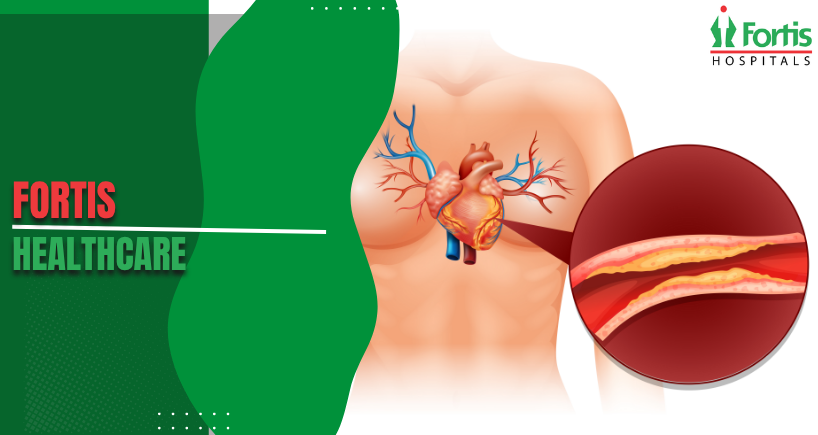


Right Atrial Enlargement: A Silent Indicator of Underlying Heart Stress
Four separate muscular rooms must pump in perfect rhythm to keep your body oxygenated and alive. Pressure changes everything inside the chest. When the upper right receiving room starts stretching way past its normal size, something is terribly wrong downstream. This slow physical ballooning almost never happens on its own because the muscle is struggling against massive backward resistance.
Spotting why this delicate wall stretches gives doctors a secret window into hidden lung or valve problems. The heart usually reflects the lung's damage. Inside advanced Cardiology, finding this structural stretch makes doctors stop looking at the left heart and check the respiratory system. You need to understand how this chamber works to see why its dangerous stretching matters so much.
The Fragile Design of the Right Receiving Chamber
Deoxygenated blood returning from the entire body pours directly into the right atrium under incredibly low, continuous biological pressure. This thin-walled muscular holding tank simply gathers the depleted fluid quietly. It pushes the liquid gently downward into the powerful right ventricle for the next massive contraction cycle. The chamber's natural design prioritizes massive fluid volume accommodation rather than generating raw physical force.
These walls stretch remarkably easily when confronted with any unexpected resistance to forward blood flow because they lack dense muscle. The chamber acts identically to a cheap rubber balloon. It slowly fills with water while the bottom exit valve remains stubbornly pinched shut against the rising fluid. This structural vulnerability explains exactly why the right atrium serves as the earliest physical indicator of abnormal pressure.
Pulmonary Hypertension Pushing Pressure Backwards
The most frequent catalyst for this alarming stretching process originates completely outside the heart, deep within the tiny lung vessels. The right ventricle must pump significantly harder when respiratory diseases destroy delicate lung tissue over time. Pushing blood through the damaged respiratory web becomes incredibly difficult. This intense downstream resistance forces blood to back up physically, dramatically increasing the internal pressure.
Chronic conditions like severe sleep apnea silently generate exactly this type of destructive high-pressure environment during the vulnerable overnight hours. The constant oxygen deprivation forces the lung vessels to clamp down tightly without you ever noticing. Identifying these specific right atrial enlargement causes prevents clinicians from mistakenly treating the heart when the underlying problem clearly resides in the lungs.
Mechanical Valve Defects Trapping Blood Upstairs
Mechanical failures at the biological doorway connecting the upper and lower right chambers rapidly trigger profound structural stretching and severe deformation. The atrium must squeeze with unnatural force if the tricuspid valve narrows significantly. Emptying its contents completely during each heartbeat becomes an agonizing physical chore. This constant agonizing physical effort inevitably causes the thin muscular walls to stretch and dilate permanently.
Massive volumes of blood violently wash backward into the atrium during every single ventricular contraction if the same valve fails to close. This violent regurgitant jet repeatedly hammers the delicate upper chamber walls mercilessly. The immense physical force commands them to expand outward to accommodate the sudden extra fluid volume. Repairing these specific mechanical valve defects early prevents the delicate upper chamber from stretching beyond natural recovery.
Disrupting the Heart's Delicate Electrical Conduction System
The vital electrical pathways embedded directly within the muscular walls become severely distorted and significantly strained as the physical tissue stretches. The heart's natural pacemaker sits exactly in this expanding upper right region. This specific geographical location makes the electrical grid highly susceptible to mechanical damage as the chamber swells. The electrical signals begin misfiring chaotically as they attempt to navigate the microscopic scar tissue.
This specific electrical disruption frequently manifests as atrial fibrillation, a highly chaotic rhythm that drastically increases the patient's risk of forming clots. The chamber loses its ability to squeeze effectively as the right atrium dilation progresses over the years. Stagnant blood begins pooling heavily along the stretched internal walls instead of moving forward. Recognizing this direct physical connection between structural stretching and dangerous electrical instability guides pharmaceutical stroke prevention.
Visualizing the Hidden Damage Through Echocardiography
Detecting this silent structural shift requires utilizing high-frequency sound waves to bounce off the beating heart muscles in real time. The visual data changes everything. Diagnostic imaging departments routinely measure these subtle dimensional shifts during comprehensive echocardiographic assessments. The ultrasound specifically reveals the exact millimeter width of the chamber and precisely how effectively blood moves through the connecting valve.
Recognizing the Subtle Systemic Symptoms of Severe Backpressure
Excessive internal pressure quickly forces fluid out into the surrounding systemic tissues because the right atrium connects directly to the central veins. Patients typically notice significant, unexplained swelling developing slowly across their ankles and lower legs. The heavy swelling worsens noticeably as the busy afternoon progresses. This dependent fluid accumulation indicates that blood simply cannot enter the stretched heart chamber efficiently against the rising pressure.
The excess pressure backs up forcefully into the liver and massive abdominal organs as the condition advances toward later stages. This creates profound physical discomfort and a total loss of appetite. This intense abdominal fullness often misleads patients into seeking gastroenterological evaluations while their underlying cardiac architecture continues deteriorating silently. Connecting these seemingly unrelated digestive symptoms directly to heart chamber swelling requires a highly astute clinical observer.
Medical Management and Strict Pharmaceutical Volume Control
Shrinking the stretched chamber back to its original dimensions proves biologically impossible once the delicate muscle fibers become permanently scarred. You cannot reverse the physical damage. Medical treatment focuses entirely on reducing the circulating fluid volume to drastically lower the pressure pushing against the weakened walls. Aggressive diuretic medications force the kidneys to excrete massive amounts of excess water, immediately relieving the mechanical strain.
Managing the specific underlying trigger remains the absolute clinical priority, whether that means treating damaged lung tissue or prescribing specialized vessel-relaxing drugs. Stabilizing the downstream resistance prevents the chamber from dilating further, effectively halting the dangerous progression of the underlying mechanical failure. Protecting the remaining structural integrity allows patients to maintain adequate cardiac output despite carrying permanently altered heart anatomy for life.
Categories
Clear allRelated Blogs
View all






FAQs
Can intense daily cardiovascular exercise cause the right atrium to enlarge safely over time?
Professional athletes develop slightly larger hearts overall, but disproportionate stretching of the right atrium alone always indicates dangerous pathology.
Does this specific structural enlargement directly increase a patient's risk of suffering sudden heart attacks?
It never causes classic arterial heart attacks, but it dramatically increases the risk of dangerous rhythm disturbances and right-sided failure.
Can standard clinic electrocardiograms reliably detect this specific chamber stretching during routine annual visits?
Electrocardiograms show subtle electrical changes suggesting right-sided enlargement, but definitive diagnosis always requires a comprehensive visual ultrasound confirmation.
Are dietary sodium restrictions strictly necessary once this specific cardiac structural change is formally diagnosed?
Strict sodium limitation remains absolutely mandatory to prevent excess water retention from overloading the highly vulnerable, already stretched receiving chamber.
Will the enlarged muscular chamber eventually return to normal size if the lung problem resolves?
Significant structural dilation usually represents permanent microscopic muscle damage that rarely reverses completely, even after the underlying pressure drops entirely.

Keep track of your appointments, get updates & more!

